Plant Overview
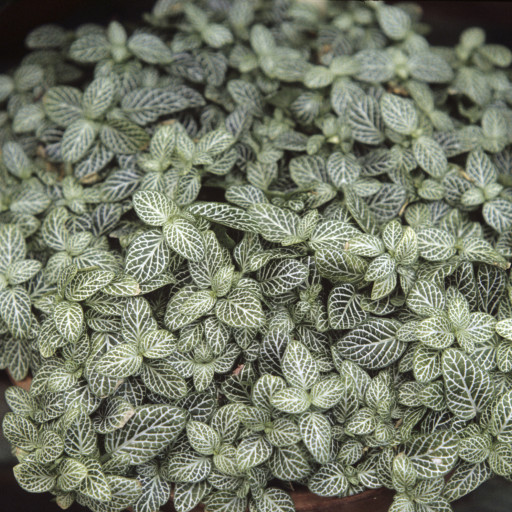
Often called the Nerve Plant or Mosaic Plant, Fittonia albivenis is a South American rainforest native that wears its heart—and its nervous system—on its leaves. Its intricate, lace-like vein patterns make it look like a piece of living embroidery. While it has a reputation for being a bit of a "drama queen" due to its theatrical wilting, it remains a favorite for indoor gardeners seeking a pop of color in low-light corners.
🔍 How to Identify
- 🍃 Lacy Veining: The defining feature is the high-contrast network of veins—usually bright white, deep pink, or vibrant red—sprawling across dark green, ovate leaves.
- 🌱 Low Profile: It is a creeping evergreen perennial that stays close to the ground, rarely exceeding 6 inches in height, creating a lush carpet effect.
- ☁️ Velvety Texture: The leaves are slightly fuzzy and soft to the touch, which helps the plant retain moisture in its natural humid habitat.
🏡 In Your Garden
- 💧 The "Diva" Response: If you forget to water it, the Nerve Plant will dramatically collapse, looking completely dead. Don't panic; it is a master of the "faint." Give it a thorough soak, and it will usually perk back up within hours.
- 🌫️ Terrarium King: Because it craves high humidity and consistent moisture, it is the gold standard for closed terrariums. It thrives in the trapped steam and moist soil of a glass enclosure.
- ☀️ Shade Seeker: In nature, it grows on the forest floor under a dense canopy. In your home, it prefers bright, indirect light; direct afternoon sun will quickly scorch and crisp its delicate foliage.
⚠️ Safety & Toxicity
- 🐾 Pet Friendly: Great news for pet owners—the Nerve Plant is non-toxic to cats and dogs according to the ASPCA.
- 👶 Safe for Kids: It is generally safe for households with children, though the leaves are quite fragile and can be easily damaged by curious hands.
✨ Fun Fact
A Living Humidity Gauge: Because Fittonia reacts so quickly to dry air and soil, seasoned gardeners often use it as an "indicator plant." When the Fittonia starts to look a little sad, it’s a signal that all your other tropical plants likely need a humidity boost or a drink!

Detailed Care Instructions
| Color | Usually Yellowish-White Or Reddish; Flowers Are Insignificant |
| Soil Ph | Prefers Slightly Acidic Soil (6.5), But Will Tolerate Alkaline Soils |
| Humidity | High |
| Lighting | Part Sun |
| Toxicity | Non-Toxic |
| Soil Type | Moist But Well-Draining Soil |
| Bloom Time | Sporadically; Usually July To August |
| Difficulty | Medium |
| Plant Type | Evergreen Perennial |
| Hibernation | Cold Period |
| Mature Size | 3 To 6 Inches In Height, With A Spread Of 12 To 18 Inches |
| Native Area | Tropical Rainforests Of South America, Principally Peru |
| Temperature | 18°C - 25°C |
| Sun Exposure | Filtered Indirect Sun Or Part Shade; Avoid Direct Sun |
| Hardiness Zones | 11 |
To grow Fittonia Albivenis (also known as nerve plant), you can follow these steps:
- Climate and lighting: Fittonia Albivenis prefers warm and humid conditions. It thrives in temperatures between 65-80°F (18-27°C). It should be placed in bright, indirect light or filtered sunlight. Avoid placing it in direct sunlight as it can scorch the leaves.
- Soil: Use a well-draining potting mix that retains moisture but doesn't become waterlogged. A mix of peat moss and perlite or vermiculite works well.
- Watering: Fittonia Albivenis requires consistent moisture. Keep the soil evenly moist, but not soggy. Check the soil regularly and water when the top inch feels dry. Water from the base rather than overhead to prevent getting water on the leaves.
- Humidity: This plant prefers high humidity. You can increase humidity around the plant by placing it on a tray filled with pebbles and water. As the water evaporates, it creates a humid environment around the plant.
- Fertilizer: Use a balanced liquid fertilizer diluted to half strength and feed every two to four weeks during the growing season (spring and summer). Reduce fertilization in fall and winter.
- Pruning: Regularly pinch back the tips of the plant to encourage bushier growth and prevent the plant from getting too leggy. You can also remove any yellow or dead leaves.
- Propagation: Fittonia Albivenis can be propagated through stem cuttings. Take a cutting with at least two leaf nodes and place it in a moist growing medium. Keep the cutting humid by covering it with a plastic bag or using a propagation dome. Roots should form in a few weeks.
With proper care and attention to its needs, your Fittonia Albivenis plant should grow well and thrive.

Place in a window with dappled sun or a spot in the middle of a room. Or directly in a window facing west or east.

Water the plant consistently, avoiding both overwatering and underwatering. Allow the surface of the soil to dry slightly before watering, but do not allow it to completely dry out. When watering, pour water slowly and evenly over the soil until it begins to drain from the bottom of the pot. Avoid getting water on the leaves as much as possible to prevent leaf burn and spread of disease. Use room temperature water, and avoid letting the plant sit in standing water, as Fittonia Albivenis is sensitive to root rot. Adjust the frequency of watering according to the season and humidity levels, as the plant may require more water during the warmer months and less during the cooler ones.
To fertilize this particular plant, use a balanced, water-soluble fertilizer at a quarter strength once every two weeks during the growing season. Do not fertilize during the dormant season. Be sure to water the plant thoroughly before and after fertilizing to avoid root burn.
Fittonia Albivenis plant prefers a well-draining soil mixture that is rich in nutrients. A mixture of peat moss, perlite, and vermiculite can provide the right amount of drainage and moisture retention for the plant. The soil pH should be slightly acidic, around 5.5 to 6.5. It is important to ensure that the soil is not too compacted, as this can impede root growth and cause the plant to wilt. The soil should be light and porous, allowing air and water to easily reach the roots. A high-quality potting mix formulated specifically for indoor plants can also work well for Fittonia Albivenis.
To propagate this plant, you will need to take a stem cutting from a mature and healthy plant. Make sure the cutting has several leaves and a few nodes. Use a sharp, sterile cutting tool to make a clean cut just below a node.
Remove the lower leaves from the stem, leaving just a few at the top. Dip the cut end into rooting hormone, if desired.
Fill a small container with a well-draining potting mix and moisten it lightly. Make a small hole in the center of the soil and insert the cutting, gently pressing the soil around it to secure it in place.
Cover the container with a clear plastic bag to create a mini greenhouse. Place the container in a bright, but indirect light and keep the soil lightly moist (not wet). Check the cutting regularly, removing any dead or yellow leaves, and misting it occasionally to maintain humidity.
In a few weeks, you should start to see new growth on the cutting, signaling that it has successfully rooted. Gradually remove the plastic bag and acclimate the plant to slightly drier conditions. After a few more weeks, you can transplant the young plant into a larger container or pot with well-draining soil.
Common pests of the nerveplant include Mealybugs, spider mites, thrips. Make a habit of checking your nerveplant frequently for pests so that any infestations can be caught and managed early.








