Plant Overview
Often called the Crows Ash or Australian Teak, Flindersia australis is a majestic staple of the Australian landscape. Valued for its incredibly durable, oily timber, it transitions beautifully from the wild rainforest to suburban parks, offering a dense canopy and striking, star-shaped seed pods that look like nature’s own rustic jewelry.
🔍 How to Identify
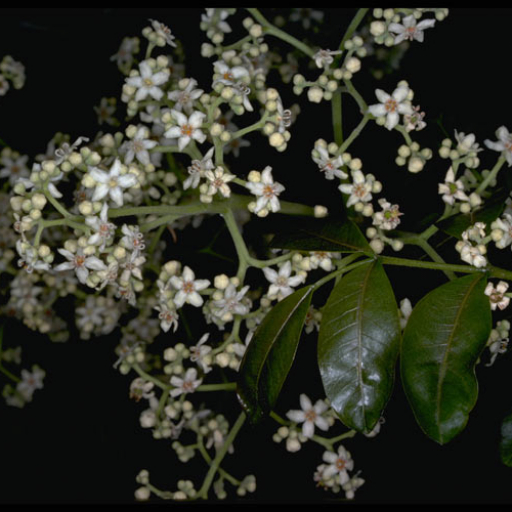
- 🍃 Foliage: Features glossy, dark green compound leaves that grow in a spiral pattern, giving the tree a lush, dense appearance even in drier seasons.
- 🌸 Blooms: Produces large, terminal clusters of small, creamy-white flowers that emit a sweet, honey-like fragrance during the summer months.
- ⭐ Seed Pods: The most iconic feature—woody, "prickly" capsules that split into five distinct sections when ripe, looking like a hand-carved wooden star.
🏡 In Your Garden
- 🏗️ Root Persistence: This tree develops a strong, deep taproot. This makes it incredibly stable during high winds, but it also means it hates being transplanted; once you've picked a spot, it’s best to let it stay there for life.
- 💧 Adaptability: While it originates in rainforests and dry scrubs, it is remarkably drought-tolerant once established. It’s a "set and forget" giant for those with enough yard space.
- 🌤️ Shade Profile: Because of its dense leaf structure, it is an excellent "utility tree" for cooling down a home or garden area, though very little grass will grow directly under its heavy shadow.
⚠️ Safety & Toxicity
- ✅ General Safety: Flindersia australis is not known to be toxic to humans, dogs, or cats.
- 🦶 Physical Hazard: The main "danger" is the fallen seed pods. They are very hard and covered in blunt spikes; stepping on one with bare feet is an experience most gardeners only want to have once!
- 🪵 Splinters: If handling the raw timber or fallen branches, be cautious as the wood is very dense and can produce sharp, painful splinters.
✨ Fun Fact
The wood is so naturally oily that it was historically the preferred choice for ship decks and ballroom dance floors. It is said that a Crows Ash floor actually becomes more polished and beautiful the more people dance on it, as the natural oils are drawn to the surface.

Detailed Care Instructions
To grow Flindersia Australis plant, also known as the Crow's Ash tree, follow these steps:
- Choose the right location: Flindersia Australis prefers full sun or partial shade with well-drained soil. Ensure that the area provides enough space for the tree to grow and mature.
- Prepare the soil: Before planting, prepare the soil by loosening it and removing any weeds or debris. Consider adding organic matter, such as compost, to improve soil fertility and drainage.
- Planting the tree: Dig a planting hole that is wider and slightly deeper than the root ball of the tree. Place the tree in the hole, making sure it sits at the same level as it was in the nursery container. Backfill the hole with soil, gently firming it around the base of the tree.
- Watering: Water the newly planted tree thoroughly after planting and continue to provide regular watering until the root system establishes. Ensure the soil remains moist but not waterlogged.
- Mulching: Apply a layer of organic mulch around the base of the tree, leaving a gap around the trunk to prevent rot. Mulch helps retain soil moisture, suppresses weed growth, and provides insulation for the roots.
- Fertilization: Flindersia Australis generally doesn't require heavy fertilization. However, you can apply a slow-release fertilizer specifically formulated for trees in early spring or autumn to promote healthy growth.
- Pruning: Prune the tree to remove dead or damaged branches and maintain its shape. Pruning is best done in late winter or early spring before new growth emerges.
- Pest and disease control: Monitor the tree for any signs of pests or diseases, such as scale insects or leaf spot. If necessary, treat the affected areas with appropriate pesticide or fungicide following the instructions on the product label.
- Stake if needed: Depending on the size and stability of the young tree, you may need to provide support with stakes or ties to prevent it from being toppled by strong winds. Ensure the stakes are not too tight to allow for natural movement and growth.
- Patience and care: Flindersia Australis is a slow-growing tree that may take several years to reach its full size. Be patient and provide regular care, including proper watering, mulching, and occasional fertilization, to support its growth.
Remember to check your specific climate and regional growing conditions to ensure that Flindersia Australis is suitable for your area.

Place in a bright room that is sun drenched almost all day. Or directly in a south-facing window.

To properly water this plant, you should first check the soil moisture level by inserting your finger about one inch into the soil. If the soil feels dry, it is time to water.
When watering, use a watering can or hose with a gentle flow to avoid damaging the delicate roots. Water the soil around the base of the plant, not the leaves or stem, until the soil is moist but not waterlogged.
To prevent overwatering, wait until the top inch of soil feels dry before watering again. In the winter months when the plant is in dormancy, reduce watering frequency.
It is important to note that this plant prefers well-draining soil, so ensure that excess water can easily drain away. Avoid letting the soil dry out completely for extended periods of time.
To fertilize this plant, use a slow-release fertilizer in early spring or late summer. Follow the package instructions for the correct dosage. Spread the fertilizer evenly around the base of the plant, avoiding contact with the leaves and stems. Water the plant immediately after fertilizing. Do not over-fertilize, as this can damage the roots and lead to stunted growth.
The Flindersia Australis plant prefers well-draining, loamy soils with a slightly acidic to neutral pH level. It requires a soil mixture that has good water retention but also allows for adequate drainage to prevent waterlogging. The soil should be rich in organic matter and nutrients, so incorporating compost or well-aged manure into the soil can help provide these necessary elements. It is also important to ensure that the soil has good aeration to promote healthy root growth. Avoid using heavy clay soils or those with a high sand content, as these may not provide the optimal growing conditions for this plant.
To propagate this plant, you can take semi-hardwood cuttings during the growing season. Select healthy shoots that are around 10-15cm long with several nodes and a few leaves. Remove the lower leaves and dip the cut end into rooting hormone powder before planting it in a container filled with a mixture of sand and peat moss. Water the cutting well and cover it with a plastic bag to create a humid environment. Place the container in a bright, warm spot but out of direct sunlight. Check the cutting regularly and mist it if it begins to dry out. After a few weeks, roots should start to develop. You can then transplant the new plant into a larger pot or into the ground.








