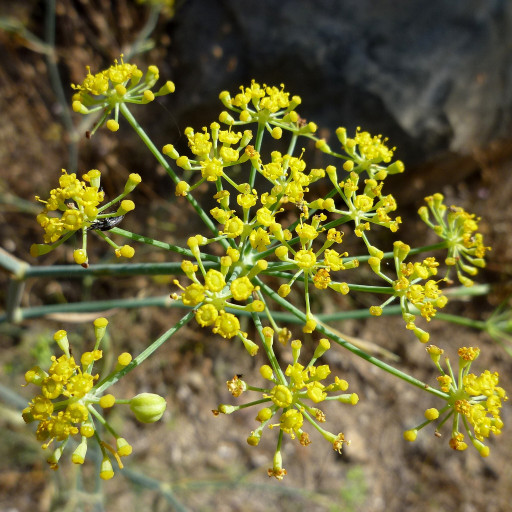
Plant Overview
Often called the "Lace of the Garden," Foeniculum vulgare is a Mediterranean native that fills the air with a sweet, unmistakable scent of black licorice. Known since antiquity as both a culinary staple and a medicinal herb, its tall, wispy stalks bring a touch of wild elegance to any landscape. Whether you are growing it for its crunchy bulb, its seeds, or its feathery foliage, it is a dual-purpose powerhouse for both chefs and pollinators.
🔍 How to Identify
- 🌿 Fine, Feathery Leaves: The leaves are thread-like, bright green, and incredibly soft to the touch, closely resembling Dill or Carrot tops.
- 🌼 Golden Umbel Blooms: In mid-to-late summer, the plant produces flat-topped clusters (umbels) of tiny, brilliant yellow flowers that look like tiny bursts of fireworks.
- 🎋 Hollow Stalks: The stems are smooth, light green, and hollow, often reaching impressive heights of 4 to 6 feet in a single season.
🏡 In Your Garden
- 🥕 The Taproot Rule: Fennel develops a long, sturdy taproot very quickly. While this makes the plant remarkably drought-tolerant once established, it means it "hates" being moved. Always try to plant it in its forever home or use deep biodegradable pots.
- 🦋 A Butterfly Nursery: If you notice green, black, and yellow striped caterpillars munching on the fronds, celebrate! Fennel is a primary host plant for Swallowtail butterflies. It’s worth growing a little extra just to share with these garden guests.
- 🚫 A Grumpy Neighbor: Fennel is known for "allelopathy," meaning it releases chemicals that can stunt the growth of nearby plants, particularly tomatoes, beans, and wormwood. It’s best to give Fennel its own dedicated corner or a large container.
⚠️ Safety & Toxicity
- 🟢 Safe for Humans: The entire plant—bulb, stalk, leaf, and seed—is edible and widely used in global cuisine.
- 🐾 Pet Sensitivity: While generally safe in small garden encounters, concentrated fennel oil or eating large quantities of the foliage can cause digestive upset or skin photosensitivity in cats and dogs.
- ☀️ Skin Irritation: Some sensitive gardeners may experience mild skin redness if they handle the plant’s sap in direct, bright sunlight.
✨ Fun Fact
🏅 The Marathon Herb: The word "Marathon," the site of the famous ancient Greek battle and the namesake of the long-distance race, literally translates to "a place overgrown with fennel." The herb grew wild across the battlefield where the Greeks defeated the Persians in 490 BC.

Detailed Care Instructions
| Color | Green, Yellow |
| Soil Ph | 5.5-6.8 |
| Humidity | Normal |
| Invasive | Weed |
| Lighting | Full Sun |
| Toxicity | Poisonous |
| Soil Type | Moist, Well-Drained |
| Bloom Time | Summer |
| Difficulty | Medium |
| Plant Type | Perennial Herb |
| Mature Size | 4 To 6 Feet Tall |
| Native Area | Mediterranean |
| Temperature | 15°C - 21°C |
| Sun Exposure | Full Sun |
| Hardiness Zones | 4 To 9 |
To successfully grow Foeniculum vulgare, also known as fennel, you can follow these steps:
- Choose the right location: Fennel requires a sunny spot that receives at least 6-8 hours of direct sunlight each day. Ensure that the soil is well-draining.
- Prepare the soil: Fennel prefers fertile, loamy soil. Prior to planting, enrich the soil with organic matter such as compost or aged manure. This helps improve drainage and provides nutrients.
- Start from seeds or transplants: You can either start fennel from seeds or purchase transplants from a garden center. If using seeds, start them indoors about 8-10 weeks before the last expected frost or sow them directly in the garden after the last frost date.
- Planting: If starting from seeds, sow them ¼ to ½ inch deep in the soil, with about 12-18 inches of space between each plant. If using transplants, dig a hole that is slightly larger than the root ball and place the plant in it, ensuring the crown is level with the soil surface.
- Watering: Keep the soil consistently moist but not waterlogged. Fennel prefers slightly moist conditions, so water deeply and infrequently, allowing the top inch of soil to dry out between waterings. Be careful not to overwater as it can cause root rot.
- Fertilizing: Fertilize your fennel plants with a balanced fertilizer, such as a 10-10-10, at the time of planting and once more during the growing season. Follow the package instructions for application rates.
- Weeding and mulching: Regularly weed around your fennel plants to prevent competition for nutrients and water. Mulching around the plants with organic mulch, like straw or wood chips, helps conserve soil moisture and suppress weeds.
- Harvesting: Fennel bulbs can be harvested when they reach about 3-4 inches in diameter. Cut them off at the base using a sharp knife or garden shears. Leaves can be harvested at any time, but they are most flavorful before the plant sends up a flower stalk. Seeds can be harvested when they turn brown and dry on the plant.
By following these steps, you can successfully grow Foeniculum vulgare and enjoy its aromatic foliage, flavorful bulbs, and seeds.

Place in a bright room that is sun drenched almost all day. Or directly in a south-facing window.

To water this plant, check the soil regularly and ensure that it is always moist but not oversaturated. Allow the top inch of soil to dry out between waterings. Use room temperature water and aim to water at the base of the plant, avoiding getting water on the leaves. Consider adding a layer of mulch or peat moss around the base of the plant to help retain moisture. During hot, dry weather, you may need to water more frequently to prevent the soil from drying out.
To fertilize this plant, use a balanced fertilizer that is low in nitrogen. Apply the fertilizer in the early spring before the plant begins to grow. Be sure to follow the instructions on the package for application rates. Avoid over-fertilizing, as this can lead to excessive foliage growth and less flavor in the plant's edible portions.
When growing the plant with the scientific name Foeniculum Vulgare, it is recommended to use a well-draining soil mixture that is rich in organic matter. The soil pH should be slightly acidic to neutral, around 6.0-7.0. It is important to avoid using heavy clay or sandy soils, as they can negatively affect the plant's growth and development. Additionally, incorporating a slow-release fertilizer into the soil can provide the plant with essential nutrients for optimal growth.
To propagate this plant, you will need to collect its seeds and prepare a suitable growing medium. Sow the seeds in the soil, ensuring that they are covered with a thin layer of soil. Keep the soil moist and warm, as these conditions will promote germination. Once the seedlings have appeared, ensure they receive adequate light and nutrients, and transplant them into larger pots as they grow. With proper care, these seedlings will mature into healthy, mature plants.
Common pests of the fennel include Aphids, larvae. Make a habit of checking your fennel frequently for pests so that any infestations can be caught and managed early.








