Plant Overview
The beloved strawberry, or Fragaria, is more than just a garden staple; it is a symbol of early summer and a favorite of pollinators everywhere. Often called the "Queen of Fruits" in parts of Europe, these low-growing perennials have been cultivated since at least the 1300s. Whether you are finding tiny, intense wild varieties in a meadow or giant "Ever-bearing" types in your backyard, these plants are famous for their sweet scent and "creeping" growth habit.
🔍 How to Identify
- 🍃 Trifoliate Leaves: Look for sets of three saw-toothed, oval leaves growing from a central crown. They are typically a deep, glossy green with prominent veins.
- 🌼 Five-Petal Blooms: The flowers are usually white (though some ornamental varieties are pink) with a bright yellow, dome-like center that eventually swells into the fruit.
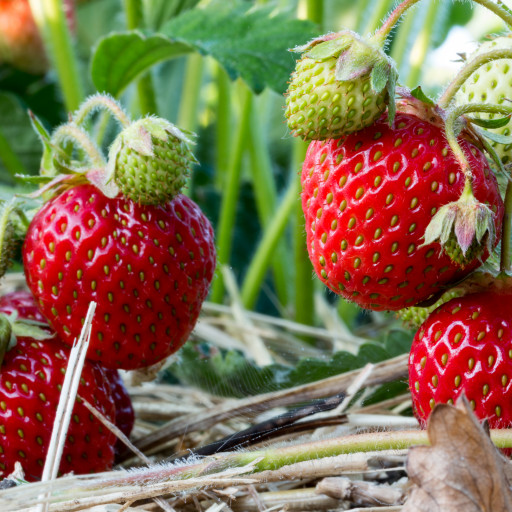
- 🍓 External Seeds: The most iconic feature is the red "fruit" covered in tiny yellow or brown dots. Interestingly, those dots are the actual fruits (called achenes), while the red part is just the swollen base of the flower.
🏡 In Your Garden
- 🏃 The Runner Habit: Strawberries spread by sending out "stolons" or runners—long, leafless stems that reach out and "walk" across the garden to start new baby plants. If you want a big harvest, you may need to trim these so the mother plant keeps its energy for the fruit.
- ☀️ Crown Awareness: When planting, the "crown" (the thick part where the leaves meet the roots) must sit right at the soil surface. Bury it too deep, and it will rot; plant it too high, and it will dry out. They crave well-draining soil to prevent "wet feet."
⚠️ Safety & Toxicity
- ✅ Safe for All: Fragaria is non-toxic to humans, dogs, and cats. In fact, many pet owners use them as a healthy, low-calorie treat for their furry friends.
- 🍓 Allergy Alert: Some individuals may experience an oral allergy to strawberries (often linked to birch pollen allergies), which can cause itching or swelling of the mouth.
- 🧤 Leaf Irritation: The tiny, soft hairs on the stems and leaves can occasionally cause very mild skin redness in people with highly sensitive skin during pruning.
✨ Fun Fact
Strawberries are the only fruit that wear their seeds on the outside! On average, a single strawberry is adorned with approximately 200 tiny individual seeds.

Detailed Care Instructions
To grow a Fragaria plant, also known as a strawberry plant, you can follow these steps:
- Choose a suitable location: Fragaria plants prefer a sunny spot with well-draining soil. Ensure the area has good air circulation to prevent diseases.
- Prepare the soil: Remove any weeds or grass from the planting area. Loosen the soil and add organic matter, like compost or well-rotted manure, to improve fertility.
- Select healthy plants or seeds: Purchase Fragaria plants from a nursery or buy seeds. Make sure they are disease-free and of good quality.
- Planting: Dig small holes spaced about 12-18 inches apart, depending on the variety of Fragaria chosen. Place the plants into the holes, keeping the crown level with the soil surface. If growing from seeds, plant them according to the package instructions.
- Watering: Water the plants thoroughly after planting. Keep the soil consistently moist but not waterlogged throughout the growing season. Avoid overhead watering to prevent diseases.
- Mulching: Apply mulch, like straw or wood chips, around the plants. This helps retain moisture, suppresses weeds, and keeps the fruit clean.
- Fertilizing: Fertilize the plants every 4-6 weeks during the growing season. Use a balanced, organic fertilizer or a specialized strawberry fertilizer according to the package instructions.
- Pruning: Remove any runners that grow from the main plant to redirect energy towards fruit production. Trim off any damaged or yellowing leaves.
- Pest and disease control: Monitor the plants regularly for pests such as aphids or slugs. Apply appropriate organic pesticides or insecticides if deemed necessary. Also, watch for common diseases like powdery mildew or gray mold. Remove and destroy infected plants or foliage to prevent the spread of disease.
- Harvesting: As the strawberries ripen, harvest them when fully red and plump. Pick them gently to avoid damaging the plants.
Remember to follow the specific care instructions for the Fragaria variety you choose, as some variations may require additional care or have different planting spacing requirements.

Place in a bright room that is sun drenched almost all day. Or directly in a south-facing window.

The Fragaria plant requires regular watering to keep the soil evenly moist but not waterlogged. The best way to water the plant is to use a watering can or hose with a gentle spray nozzle to avoid damaging the delicate leaves and stems. Water should be applied at the base of the plant, avoiding overhead watering as it can cause fungal diseases. It is important to water in the early morning or late evening to reduce evaporation and allow the soil to absorb the water before the sun dries it out. Additionally, the frequency of watering can be adjusted depending on the weather conditions and soil moisture level.
To fertilize this plant, begin with a soil test to determine any nutrient deficiencies. Apply a balanced fertilizer with equal parts nitrogen, phosphorus, and potassium, as well as a slow-release nitrogen source. Be sure to fertilize during the plant's active growing season and water the plant well before and after applying fertilizer to avoid root burn.
The ideal soil for Fragaria plants should have a pH level between 5.5 and 7.5. It should be well-draining, without any clumps or rocks that could impede root growth. The soil should also be rich in organic matter, such as compost or aged manure. It is important to ensure that the soil is not too heavy, as this could lead to waterlogging and poor aeration. Additionally, the soil should be fertile and provide adequate nutrients for the plant's growth. Soil testing can be done to determine the specific nutrient requirements of the plant.
To propagate this plant, you will need to carefully cut off a piece of the stem with some leaves attached. Dip the cut end in rooting hormone powder and plant it in a mixture of moist soil and perlite. Keep the soil moist and place the cutting in a warm, well-lit area, but away from direct sunlight. The cutting should begin to form roots in a few weeks. Once the roots have developed enough, you can transplant the new plant into its permanent location.







