Plant Overview
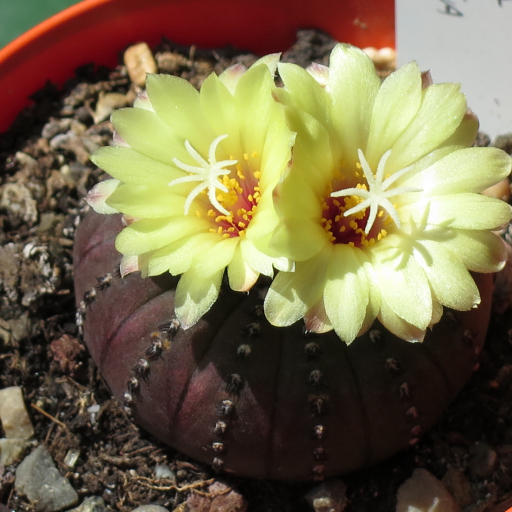
Known as the Chestnut Cactus or the "Sea Urchin Cactus," Frailea castanea is a miniaturized masterpiece of the succulent world. Native to the rocky grasslands of Brazil and Uruguay, this tiny cactus is famous for its dark, chocolatey-brown skin and its disk-like shape that sits flush with the soil. It is a favorite among collectors who appreciate "living stones" and plants that pack a lot of character into a tiny footprint.
🔍 How to Identify
- 🟤 Body Shape: It grows as a small, flattened sphere (discoid), rarely exceeding 2 inches in diameter. Its skin ranges from a deep reddish-brown to an almost metallic dark green.
- 📏 Ribs and Texture: The surface is divided into 8 to 15 flat, barely raised ribs, giving it a smooth, button-like appearance that mimics a sea urchin.
- 🕷️ Spines: Unlike prickly desert cacti, its spines are tiny, dark, and pressed flat against the body (appressed), making the plant feel relatively smooth to the touch.
🏡 In Your Garden
- 🏜️ The Disappearing Act: In its natural habitat, this cactus has a unique survival trick: during periods of extreme drought, it shrivels and pulls itself underground to stay cool. In a pot, you’ll notice it "sinking" slightly into the grit when it’s thirsty.
- ☀️ The Perfect Tan: To keep its signature chocolate-chestnut color, it needs bright, filtered light. If kept in too much shade, it will turn green and lose its compact, flat shape. However, be careful with afternoon summer sun, which can scorch its dark skin.
- 💧 Sensitive Roots: This species is prone to rot if the soil stays damp. It thrives in a very gritty, inorganic mix (lots of pumice or lava rock) and prefers shallow pots that dry out quickly.
⚠️ Safety & Toxicity
- ✅ Status: Non-toxic and safe.
- 🐾 Details: This cactus is generally considered safe for households with curious cats, dogs, or children. Because its spines are so small and blunt, there is very little risk of physical injury compared to most other cacti.
✨ Fun Fact
- 🌼 Secret Flowers: Frailea castanea is "cleistogamous." This means it often produces seeds without the flowers ever actually opening! The plant self-pollinates inside a closed bud, though on particularly hot, sunny days, it may surprise you with a large, brilliant yellow bloom that dwarfs the plant itself.

Detailed Care Instructions
To grow Frailea Castanea plants, follow these steps:
- Start with high-quality seeds or young plants. You can purchase these from a reputable plant nursery or online supplier.
- Choose a suitable pot or container that has drainage holes at the bottom. The pot should be just slightly larger than the size of the plant.
- Prepare the potting mix using a well-draining cactus or succulent soil mix. Alternatively, you can make your own by combining equal parts of standard potting soil, sand, and pumice or perlite.
- Place a layer of small stones or broken pottery at the bottom of the pot to facilitate proper drainage.
- Fill the pot with the prepared potting mix, leaving some space at the top to avoid overflow when watering.
- Gently remove the Frailea Castanea plant from its container or carefully sow the seeds on the soil surface if starting from scratch.
- Plant the plant or seeds at a depth of ½ to 1 inch, keeping in mind that cacti have shallow roots.
- Water the plant thoroughly, allowing the excess water to drain out completely. Avoid overwatering, as it can lead to root rot. Let the soil dry out slightly between waterings.
- Place the pot in a location that receives bright light, ideally with a few hours of direct sunlight each day. A sunny windowsill or a spot outdoors that gets adequate sunlight is ideal.
- Maintain a temperature range of around 60-80°F (15-26°C), as Frailea Castanea plants prefer warm conditions. Protect them from extreme temperatures and frost.
- Fertilize the plant sparingly during the growing season from spring to early fall, using a balanced cactus or succulent fertilizer diluted to half the recommended strength. Apply the fertilizer approximately once a month.
- Keep an eye out for any signs of pests or diseases, such as mealybugs or fungal infections, and take appropriate steps to address the issue if necessary.
- As Frailea Castanea plants grow slowly, repotting is usually only necessary every few years when the plant has outgrown its current container. When repotting, follow similar steps as mentioned above, using a slightly larger pot if needed.
By following these guidelines, you can successfully cultivate a Frailea Castanea plant and enjoy its unique beauty.

Place in a bright room that is sun drenched almost all day. Or directly in a south-facing window.

To properly water the Frailea Castanea plant, it is crucial to follow the specific watering requirements for this particular species. Here are detailed instructions on how to water the plant without mentioning its common names:
1. Understanding the Soil Moisture: Before watering, it's important to gauge the moisture level in the soil. Insert your finger about 1 inch (2.5 cm) into the soil near the plant's base. If the soil feels dry at this depth, it indicates that it's time to water.
2. Water Quality: The water quality used for irrigation is essential for good plant health. Aim for using distilled water or rainwater instead of tap water, as tap water may contain minerals and chlorine that can harm the plant's sensitive roots.
3. Watering Technique: Gently pour water onto the soil around the plant's base. Avoid splashing water directly onto the plant's body or in-between its spines to prevent rot or damage. Water the soil evenly until you see a little water flowing out of the drainage holes.
4. Frequency: Frailea Castanea plants require infrequent watering due to their succulent-like nature. Wait until the top soil layer appears dry before watering again. This may vary depending on factors like temperature, humidity, and the specific growing conditions.
5. Seasonal Adjustments: During the plant's active growing period in spring and summer, it may require more frequent watering. However, during the dormant season in fall and winter, reduce the watering frequency as the plant's water needs decrease.
6. Avoid Overwatering: It is vital not to overwater the Frailea Castanea plant as it can lead to root rot and other fungal diseases. Allow the soil to dry out between watering sessions to prevent waterlogged conditions and promote healthy root growth.
7. Watering from the Bottom: As an alternate method, you can also water the Frailea Castanea plant from the bottom. Place the plant in a saucer or tray filled with distilled or rainwater, allowing it to absorb water through the drainage holes in the pot. Remove any excess water after a few minutes to avoid saturation.
Remember, each individual plant's water requirements may slightly vary. Observing the plant's condition, growth rate, and general appearance will help you adjust the watering schedule accordingly.
- Select a well-draining pot or container that is slightly larger than the current root system of the plant.
- Prepare a suitable potting mix by combining equal parts of sand, perlite, and regular potting soil.
- Carefully remove the plant from its current container, taking care not to damage the roots.
- Gently loosen the root ball and remove any excess soil clinging to the roots.
- Place the plant in the new pot, ensuring that the top of the root ball sits slightly below the rim of the container.
- Fill the remaining space around the roots with the prepared potting mix, pressing it down gently to secure the plant.
- Water the newly potted Frailea Castanea thoroughly, allowing the water to drain out from the bottom of the pot.
- Allow the plant to settle in its new pot for a few days before applying any fertilizers.
- After the initial settling period, begin fertilizing by diluting an all-purpose liquid fertilizer to half strength.
- Apply the diluted fertilizer to the soil around the plant, being careful not to splash it onto the plant's body.
- Repeat the fertilization process once every four to six weeks during the growing season (typically spring and summer).
- Adjust the frequency and strength of fertilization based on the plant's response and growth rate.
- Always follow the manufacturer's instructions on the fertilizer label for the best results.
- Additionally, observe the plant for any signs of nutrient deficiencies, such as pale leaves or stunted growth. Adjust fertilizer applications accordingly.
- Remember to water the plant thoroughly before fertilizing to prevent root burn.
- Finally, maintain a regular watering schedule and monitor the plant's overall health to ensure proper fertilization and care.
The ideal soil mixture for the Frailea Castanea plant is one that promotes good drainage while retaining some moisture. The soil should be slightly acidic to neutral in pH. A suitable soil mix can be created by combining equal parts of gritty sand, perlite, and well-draining potting soil. This mixture allows excess water to drain freely, preventing the plant from sitting in wet soil which could lead to rot. The gritty sand and perlite also add to the overall drainage capacity of the soil, while the potting soil provides some organic matter for nutrient retention. This combination of materials creates an ideal growing medium for the Frailea Castanea plant, enabling it to thrive and develop a healthy root system.
To propagate the Frailea Castanea plant, you can follow these steps:
- Firstly, gather all the necessary materials, including sharp pruning shears, clean pots, well-draining soil mix (preferably a mixture of perlite, sand, and potting soil), and a spray bottle filled with water.
- Choose a healthy mother plant from which you want to take cuttings. Ensure that the plant is disease-free and free of any pest infestation. It's best to select a mature plant that is at least a few years old.
- Use the sterilized pruning shears to make a clean cut on the stem of the mother plant. It's essential to make an angled cut to maximize the surface area for root development.
- After cutting the stem, allow the cutting to dry at room temperature for about 2-3 days. This will help prevent any potential rotting or infections in the newly formed cutting.
- Prepare the pots by filling them with the well-draining soil mix. Make sure the pots have drainage holes at the bottom to prevent waterlogging.
- Once the cutting has dried, gently insert the bottom end of the stem into the soil mix. Ensure that at least one-third of the stem is buried in the soil to encourage rooting.
- Lightly press the soil around the cutting to provide stability. Be careful not to press too hard and damage the fragile cutting.
- Mist the cutting with water from the spray bottle to increase humidity. It is important to maintain a humid environment for the cutting to promote successful rooting.
- Place the pots in a bright location with indirect sunlight. Avoid exposing the cuttings to direct sunlight as it may cause damage or scorching.
- Ensure the soil remains slightly moist but not waterlogged. Overwatering can lead to root rot, so it's important to maintain a proper watering schedule. It is generally recommended to water when the top inch of soil feels dry.
- Monitor the cuttings regularly for any signs of growth. This process can take several weeks, so be patient and provide consistent care to the plant.
- Once the cuttings have developed a well-established root system and are showing signs of new growth, you can consider transferring them to their individual pots.
By following these steps, you can successfully propagate the Frailea Castanea plant and expand your collection of these unique plants.
Common pests of the frailea castanea include Scale insect, mealybugs, spider mites. Make a habit of checking your frailea castanea frequently for pests so that any infestations can be caught and managed early.








