Plant Overview
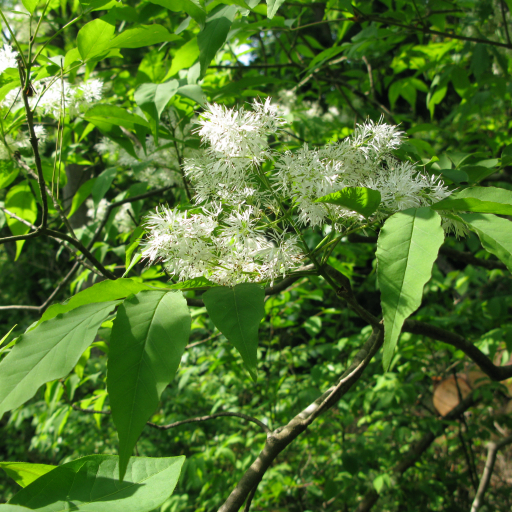
Known as the Japanese Flowering Ash, this elegant tree is a true standout in the Fraxinus family. While many of its cousins rely on the wind for pollination, this species puts on a spectacular show, draping itself in frothy, cloud-like white blossoms every spring. In its native Japan, it is often called "Maruba-aodamo," and it is celebrated for its graceful silhouette and refined, airy texture.
🔍 How to Identify
- 🌸 The Bloom: Unlike common ashes, it produces large, terminal clusters of fragrant, white, fringe-like flowers that appear in late spring.
- 🍃 Leaf Pattern: It features compound leaves composed of 5 to 7 oval leaflets. These turn a beautiful, subtle yellow or purple-bronze in the autumn.
- 🌳 The Bark: The bark is notably smooth and light gray, often maintaining its sleek appearance even as the tree matures, accented by dark, purplish-brown winter buds.
🏡 In Your Garden
- 🪴 Establishment: This tree develops a deep taproot fairly quickly. It is much happier when planted in its permanent location while young, as it can be quite sensitive to being moved once its roots have settled deep into the earth.
- ☀️ Urban Resilience: It is a fantastic choice for modern landscapes because it handles urban pollution better than many other ornamental trees. It thrives in well-drained soil and appreciates a spot where it can soak up the full sun to maximize its flowering potential.
⚠️ Safety & Toxicity
- ✅ General Safety: Fraxinus sieboldiana is generally considered non-toxic to humans, dogs, and cats.
- 🤧 Allergy Note: Because it produces fragrant flowers, it does release pollen. While it is less aggressive than wind-pollinated ash trees, sensitive individuals may experience mild hay fever symptoms during the peak blooming period in spring.
✨ Fun Fact
In Japan, the wood of the Japanese Flowering Ash is highly prized for making professional-grade baseball bats! Its unique combination of high density and "flex" allows it to withstand high-impact forces without shattering easily.

Detailed Care Instructions
To grow a Fraxinus sieboldiana plant, also known as Chinese ash or Silky ash, follow these steps:
- Climate: Fraxinus sieboldiana thrives in temperate regions with a mild climate. Ensure that your area has a suitable temperature range of 50-77°F (10-25°C).
- Soil: The plant prefers well-draining soil with a slightly acidic to neutral pH range of 6.0-7.0. Make sure the soil is rich in organic matter.
- Site selection: Choose a sunny or partially shaded spot for planting the Fraxinus sieboldiana. It needs at least 4-6 hours of direct sunlight daily.
- Planting time: Ideally, plant Fraxinus sieboldiana in the spring or early fall when the soil is warm and moist.
- Digging the hole: Dig a hole that is slightly larger and deeper than the root ball of the plant. This will provide ample space for the root system to grow.
- Planting process: Remove the plant from its container, gently loosen the roots, and place it in the hole. Ensure that the top of the root ball is level with the soil surface. Backfill the hole with soil and lightly tamp to remove any air pockets.
- Watering: Immediately after planting, thoroughly water the plant to settle the soil around the roots. After that, water regularly to keep the soil consistently moist but not waterlogged. Decrease watering during the winter months.
- Mulching: Apply a layer of mulch around the base of the plant to help retain moisture, suppress weed growth, and regulate soil temperature.
- Pruning: Prune Fraxinus sieboldiana as needed to maintain its shape and health. Thin out congested branches and remove any dead or damaged growth. Pruning is typically done in late winter or early spring before the new growth begins.
- Fertilization: Feed the plant with a slow-release, balanced fertilizer in early spring and early summer. Follow the instructions on the fertilizer packaging for application rates.
- Pest and disease control: Monitor the plant for common pests and diseases such as aphids, scale insects, and powdery mildew. Treat any issues promptly using organic or chemical solutions as appropriate.
- Ongoing care: Regularly monitor the moisture level of the soil, especially during dry periods, and water accordingly. Provide protection from strong winds that can damage the branches. Keep the area around the plant free from weeds.
With proper care and suitable growing conditions, your Fraxinus sieboldiana plant should thrive and grow into a beautiful tree.

Place in a bright room that is sun drenched almost all day. Or directly in a south-facing window.

To meet the watering needs of Fraxinus Sieboldiana, it is important to understand and follow certain guidelines. Here are the details on how to water this plant effectively:
1. Observe soil moisture: Regularly check the moisture level of the soil by inserting your finger about an inch deep into the soil near the plant's base. If the soil feels dry, it indicates the need for watering.
2. Watering frequency: Fraxinus Sieboldiana typically requires watering at regular intervals to maintain appropriate moisture levels. However, the specific frequency depends on various factors such as climate, temperature, humidity, and soil type. As a general rule, water when the top inch of soil becomes dry.
3. Watering amount: When watering, ensure that the soil receives enough water to moisten the root zone adequately. Water should penetrate deep into the soil to encourage a healthy root system. However, avoid overwatering, as it can lead to root rot and other issues.
4. Watering technique: To water efficiently, direct the water at the base of the plant, near the root system, rather than overhead. This allows water to reach the roots directly and minimize evaporation. Avoid watering the leaves excessively, as it can increase the risk of fungal diseases.
5. Time of watering: In general, it is recommended to water Fraxinus Sieboldiana plants in the early morning or late afternoon. These timeframes minimize water loss due to evaporation while providing enough moisture to sustain the plant throughout the day.
6. Rainfall consideration: Take into account the amount of rainfall the plant receives naturally. If there is sufficient rainfall, you may need to adjust your watering schedule accordingly to avoid overwatering. It is also advisable to provide watering during dry periods when there is inadequate rainfall.
Remember, while these guidelines give an overview of how to water Fraxinus Sieboldiana plants effectively, it is important to monitor the specific needs of the individual plant. Assessing soil moisture levels and adapting watering practices accordingly will help ensure optimal growth and health for the Fraxinus Sieboldiana plant.
- Start by selecting a balanced, slow-release fertilizer with equal NPK ratios (nitrogen, phosphorus, and potassium). This will provide essential nutrients for the Fraxinus Sieboldiana plant's growth.
- Before applying the fertilizer, water the plant thoroughly to ensure moist soil conditions.
- Read the fertilizer's instructions carefully to determine the appropriate amount to use for the size of your plant. Measure the recommended amount using a measuring cup or spoon.
- Sprinkle the fertilizer evenly around the base of the plant, avoiding direct contact with the trunk or stems. Ensure the fertilizer is applied within the plant's drip line, which is the outer edge of the plant's foliage.
- Gently work the fertilizer into the top layer of soil using a rake or gardening fork. Be cautious not to damage the plant's roots during this process.
- After fertilizing, water the plant lightly to help the nutrients seep into the soil. This will also prevent any potential burning of the plant's roots.
- Depending on the specific fertilizer you choose, follow the recommended frequency for fertilizing the Fraxinus Sieboldiana plant. Generally, fertilizing once every six to eight weeks during the growing season (spring to fall) is sufficient. Adjust the frequency or dosage according to the specific needs of your plant.
- Monitor the plant's response to the fertilizer. Look for signs of over-fertilizing, such as leaf burn or wilting. If these symptoms appear, reduce the frequency or dosage of fertilization.
Remember to always refer to the specific fertilizer instructions and take into account the plant's specific needs.
Fraxinus sieboldiana, commonly known as the Siebold's ash, is a deciduous tree belonging to the Oleaceae family. When selecting soil for the Fraxinus sieboldiana plant, it is important to consider its natural habitat and growth requirements in order to provide optimal growing conditions.
The Fraxinus sieboldiana plant typically thrives in a well-draining soil that retains moisture but is not waterlogged. It prefers a loamy or sandy soil texture that is rich in organic matter. This type of soil ensures proper drainage while providing essential nutrients for healthy growth.
This ash tree species grows best in a slightly acidic to neutral soil pH range, which is typically between 6.0 and 7.5. Adequate pH levels enable the plant to efficiently absorb essential nutrients from the soil.
Additionally, Fraxinus sieboldiana plants prefer soil that is moderately fertile. You can enhance the fertility of the soil by incorporating organic matter, such as compost or well-rotted manure, during planting or periodically as a top dressing. This enriches the soil with essential nutrients, promotes beneficial microbial activity, and improves overall soil structure.
To ensure optimal growth, it is beneficial to check the soil moisture regularly. While Fraxinus sieboldiana prefers slightly moist soil, it is important to avoid overwatering, as this can lead to root rot and other issues. Water the plant thoroughly and then allow the soil to dry out slightly before watering again.
In summary, Fraxinus sieboldiana, or the Siebold's ash, thrives in well-draining soil with a loamy or sandy texture, rich in organic matter. It prefers a slightly acidic to neutral pH and moderately fertile soil. Regularly monitoring soil moisture levels and avoiding overwatering is also crucial in maintaining a healthy and thriving Fraxinus sieboldiana plant.
To propagate Fraxinus Sieboldiana, you can follow the steps provided below:
- Select healthy and mature parent plants: Choose parent plants that are at least 3-5 years old and free from any diseases or pests. This will ensure that the propagated plants have a strong genetic foundation.
- Take cuttings: In late spring or early summer, when the plant is actively growing, select semi-hardwood cuttings. These are the sections of the stem that are partially matured, neither too soft nor too woody. Cuttings should be around 6-8 inches long, with at least three nodes.
- Prepare the cuttings: Remove any lower leaves from the lower half of the cutting. Dip the cut end of the stem in a rooting hormone solution to promote root development.
- Plant the cuttings: Fill small pots or containers with a well-draining soil mix. Make a hole in the soil and insert the cutting about one-third of the way in. Firmly press the soil around the cutting to ensure good contact.
- Provide optimal growing conditions: Place the potted cuttings in a warm, bright location with indirect sunlight. Maintain a temperature of around 70-75°F (21-24°C) to promote root growth. Keep the soil consistently moist but not waterlogged.
- Encourage root development: To maintain high humidity and promote root growth, you can cover the container with a plastic bag or create a mini greenhouse effect by using a clear plastic dome. This will help retain moisture around the cutting.
- Monitor and care for the cuttings: Check the cuttings regularly for signs of new growth, usually seen within 6-8 weeks. Mist the leaves occasionally and ensure the soil remains evenly moist. Avoid overwatering, as excessive moisture can lead to rotting.
- Transplant the rooted cuttings: Once the cuttings have developed a strong root system, usually after a few months, they can be transplanted into larger pots or directly into the garden. Ensure that the new planting location provides adequate sunlight and well-draining soil.
- Provide ongoing care: After transplanting, continue to care for the propagated plants by watering regularly, providing occasional fertilization, and protecting them from extreme weather conditions.
By following these propagation steps, you can successfully propagate Fraxinus Sieboldiana plants and enjoy the beauty of these trees in your garden.








