Plant Overview
Known widely as the Arizona Ash or Velvet Ash, this tree is a rugged survivor of the American Southwest. It is celebrated by desert dwellers for its ability to provide a lush, cooling canopy in heat that would make other trees wilt. Its name comes from the soft, downy coating of fine hairs that cover its young leaves and twigs, giving the tree a shimmering, silvery-green appearance in the summer breeze.
🔍 How to Identify
- 🍃 The Leaflets: It features "pinnately compound" leaves, meaning each leaf is made up of 3 to 5 (sometimes 7) smaller leaflets. These leaflets are lance-shaped and typically have a velvety texture on the underside.
- 🌳 Bark Texture: As the tree matures, its grey-brown bark develops deep, diamond-shaped furrows and ridges, giving it a very textured, "craggy" look.
- 🌱 Opposite Branching: Like all Ash trees, the branches and leaves grow in pairs directly across from one another, rather than alternating. This is a key way to tell it apart from similar-looking trees.
🏡 In Your Garden
- 💧 Riparian Roots: In the wild, this tree grows near stream banks. In your yard, it is surprisingly drought-tolerant once established, but it thrives best with "deep soaking" sessions rather than frequent light watering. This encourages deep roots and prevents the tree from becoming top-heavy.
- 🪵 Brittle Nature: Because it grows so rapidly to provide shade, its wood can be somewhat brittle. It’s wise to plant it away from the house or power lines, as heavy winds or late-season snow can sometimes cause branches to snap.
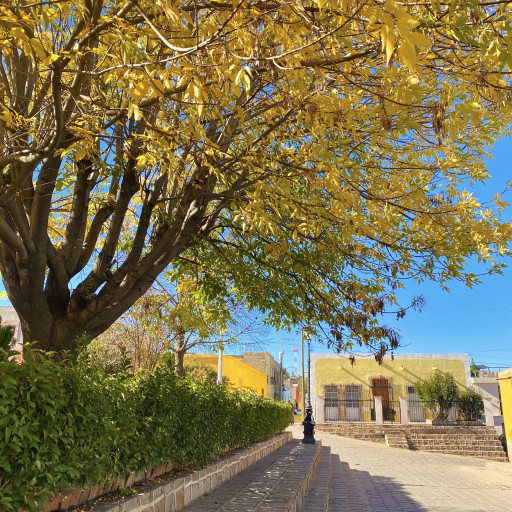
- 🍂 Seasonal Transitions: It is deciduous, meaning it drops its leaves in winter. Before they fall, the canopy often turns a lovely, bright yellow, signaling the change of seasons even in warmer climates.
⚠️ Safety & Toxicity
- 🟢 Non-Toxic: The Arizona Ash is generally considered non-toxic to dogs, cats, and horses. It is a safe choice for pet-friendly backyards.
- 🤧 Allergy Alert: While not poisonous, male trees produce a significant amount of pollen in the spring. If you suffer from seasonal hay fever, this tree might trigger your allergies during its blooming period.
✨ Fun Fact
The wood of the Ash tree is legendary for its strength and flexibility. While the Velvet Ash is smaller than its cousins, the Fraxinus genus is the traditional source for making professional Major League baseball bats and electric guitar bodies!

Detailed Care Instructions
| Lighting | Full Sun |
To grow Fraxinus Velutina, also known as the Velvet Ash tree, you can follow these steps:
- Choose a suitable location: Fraxinus Velutina is native to the southwestern United States and thrives in full sun to partial shade. Make sure you select a spot that provides enough sunlight and well-draining soil.
- Prepare the soil: Velvet Ash trees prefer slightly acidic to neutral soil with good drainage. Amend the soil with organic matter, such as compost, to improve its fertility and drainage capabilities.
- Plant the tree: Dig a hole that is wider and slightly deeper than the root ball of the tree. Place the tree in the hole and backfill with the soil, firming it gently around the roots. Make sure the tree is planted at the same depth as it was in the nursery container.
- Water the tree: Water the newly planted tree thoroughly to settle the soil and provide moisture. Afterward, water deeply but less frequently, allowing the soil to dry between waterings. Established Fraxinus Velutina trees are drought-tolerant but require regular watering during the first few years until they are established.
- Mulch the base: Apply a layer of organic mulch around the base of the tree to help retain moisture, regulate soil temperature, and suppress weed growth. Keep the mulch away from the trunk to prevent moisture-related issues.
- Prune the tree: Prune Fraxinus Velutina to remove dead, damaged, or diseased branches. Additionally, shape the tree by selectively removing branches to maintain a desirable shape or structure. Pruning can be done during the dormant season, preferably in late winter or early spring.
- Fertilize as necessary: Depending on the soil quality and overall health of the tree, you may need to fertilize annually. Use a balanced fertilizer or one specifically formulated for trees, following the manufacturer's instructions.
- Monitor pests and diseases: Look out for common pests, such as aphids, borers, or scale insects, and treat them accordingly if detected. Additionally, keep an eye for any signs of diseases, such as ash yellows or powdery mildew, and seek appropriate treatment if necessary.
By following these steps and providing the necessary care, your Fraxinus Velutina plant should grow and thrive in your garden or chosen location.

Place in a bright room that is sun drenched almost all day. Or directly in a south-facing window.

Fraxinus velutina is a plant that requires regular watering in order to grow. The best way to water this plant is to water it deeply but infrequently. This means that you should water the plant thoroughly, but not too often.
To start, make sure that the soil is dry to the touch before watering. If it is still damp, wait until it dries out before watering again. When you do water, pour water slowly and evenly across the soil, allowing it to soak in. Be sure to avoid getting water on the leaves or branches of the plant, as this can lead to disease.
It is important to water Fraxinus velutina during the early morning or late afternoon when temperatures are cooler. This will help to prevent the water from evaporating too quickly and will also give the plant a chance to absorb the water before the heat of the day sets in.
During dry spells, you may need to water this plant more frequently than usual. However, be sure to avoid overwatering, as this can lead to root rot. Check the soil regularly and water only when the top inch is dry.
Overall, maintaining proper watering habits is crucial for the health and growth of the Fraxinus velutina plant. By paying attention to its watering needs and sticking to a regular watering schedule, you can help ensure that the plant stays healthy and vibrant for years to come.
- Start fertilizing during the plant's active growing season in spring.
- Use a balanced fertilizer with equal amounts of nitrogen, phosphorus, and potassium.
- Apply the fertilizer evenly around the base of the plant.
- Water the plant thoroughly after applying the fertilizer.
- Repeat the fertilization process once every four to six weeks during the growing season.
- Avoid fertilizing during the fall and winter months when the plant is dormant.
Fraxinus velutina is a species of tree that requires well-draining soil. The ideal soil type for this plant is a sandy loam that is rich with organic matter. The pH of the soil must be slightly acidic to neutral, ranging from 6.0 to 7.5. The plant prefers soil that does not retain too much moisture but has good water-holding capacity enough to retain moisture for the roots. Clays or soils with heavy textures are not recommended as they tend to hold too much water and can lead to root rot. Before planting Fraxinus Velutina, it’s essential to prepare the soil by adding compost and mixing it with the loose soil to create a rich, well-draining mix. Additionally, mulching around the base of the tree can help to keep the soil moist and provide a protective layer from excess heat or cold.
Fraxinus Velutina is a plant that can be propagated through several methods. One of the most common methods is by using seeds. To propagate the Fraxinus Velutina plant using seeds, the first step is to collect mature seeds from a healthy plant. Once the seeds are collected, they should be cleaned and dried.
The next step is to prepare a potting mix using equal parts of peat moss, sand, and perlite. The potting mix should be moistened before filling it into the pots. The seeds can then be planted in the prepared pots, ensuring that they are planted at a depth of no more than 1 inch.
The pots should then be placed in a warm and bright area, but not in direct sunlight. The soil should be kept moist but not waterlogged, and the pots should be covered with plastic to create a humid environment. The plastic should be removed once the seeds start to germinate, and the seedlings should be transplanted into larger containers once they have grown to about 2 inches tall.
Another method of propagating Fraxinus Velutina is through hardwood cuttings. To propagate Fraxinus Velutina using hardwood cuttings, the first step is to collect healthy cuttings in the late fall or winter when the plant is dormant. The cuttings should be 6 to 12 inches long and should have at least two nodes.
The lower leaves of the cutting should be removed, and the cutting should be dipped in rooting hormone. The cutting can then be planted in a pot filled with a potting mix of equal parts of peat moss, sand, and perlite. The pot should be covered with plastic to create a humid environment, and the soil should be kept moist but not waterlogged.
The pot should be placed in a warm and bright area but not in direct sunlight. The plastic should be removed once the cutting has rooted, and the plant should be transplanted into a larger container once it has grown to about 6 inches tall.








