Plant Overview
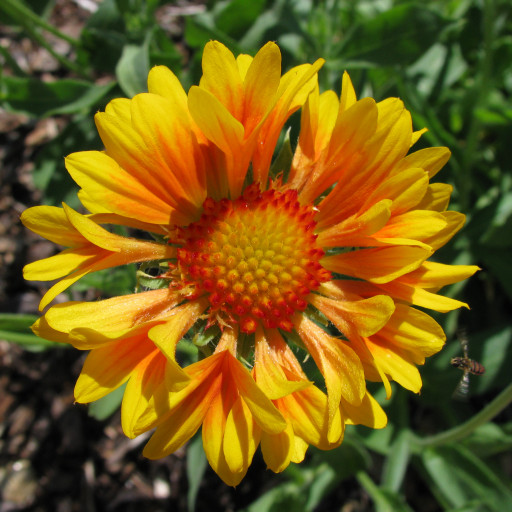
Known as the Blanket Flower, this sun-loving hybrid is the ultimate firework of the garden. Its name comes from the way it blankets the ground with vibrant, multi-colored blooms that resemble the intricate patterns of traditional Native American textiles. It is a hardy, short-lived perennial that brings high-energy warmth to borders and containers from early summer right through the first frost.
🔍 How to Identify
- 🌼 The Blooms: Large, daisy-like flower heads featuring ray florets that are often bi-colored—typically a deep scarlet or burgundy at the center, fading into a sunny yellow or bright orange at the notched petal tips.
- 🌿 The Foliage: The leaves are narrow, grayish-green, and have a soft, fuzzy texture. They grow in a mounding habit, providing a dense green base for the long flower stalks.
- 🌀 The Center: Unlike many daisies, the central disk is prominent and fuzzy, often turning into a decorative, spherical seed head once the petals drop.
🏡 In Your Garden
- ☀️ Sun-Seeker Nuance: This plant is a "pioneer species" descendant, meaning it thrives in the toughest conditions. It craves full sun and actually prefers "lean" soil; if you give it too much fertilizer, it will grow floppy and produce fewer flowers.
- 💧 Drainage is Vital: While it is incredibly drought-tolerant once established, it has a sensitive crown. If planted in heavy clay that stays wet during winter, the roots are prone to rot, so ensure your soil is gritty or well-draining.
- ✂️ Deadheading Rewards: To keep the "blanket" thick with color, snip off faded flowers. This prevents the plant from putting all its energy into seeds and encourages a second flush of late-season blooms.
⚠️ Safety & Toxicity
- ✋ Skin Irritant: Some gardeners may experience "Blanket Flower Dermatitis." The sap and tiny hairs on the stems can cause a mild, itchy rash or skin irritation for those with sensitive skin. Wearing gloves while pruning is recommended.
- 🐾 Pet Safety: Gaillardia is generally considered non-toxic to dogs, cats, and horses. However, ingesting any plant material can cause mild stomach upset, so it is best to keep curious chewers away.
✨ Fun Fact
The Blanket Flower is often called "Firewheel" in the wild. Its scientific name, Gaillardia, was given in honor of Maître Gaillard de Charentonneau, an 18th-century French magistrate who was an enthusiastic patron of botany.

Detailed Care Instructions
To grow Gaillardia × Grandiflora plants, follow these steps:
- Choose a suitable location: Gaillardia plants thrive in full sun, so select a spot in your garden that receives at least 6-8 hours of direct sunlight a day. Ensure the soil is well-draining.
- Prepare the soil: Gaillardia plants prefer slightly acidic to neutral soil with a pH of 6.0-7.5. Amend the soil with organic matter, such as compost, to improve drainage and nutrient content.
- Planting: Dig a hole that is slightly larger than the root ball of the Gaillardia plant. Place the plant in the hole and backfill with soil, gently pressing it down to eliminate air pockets. Space the plants around 12-18 inches apart, as they tend to spread.
- Watering: Water the newly planted Gaillardia thoroughly after planting. Afterward, allow the soil to dry out slightly between waterings. Gaillardia plants are somewhat drought-tolerant once established, so avoid overwatering.
- Fertilization: In spring, apply a slow-release, balanced fertilizer according to the package instructions. This will provide necessary nutrients to support healthy growth and blooming.
- Mulching: Apply a layer of organic mulch, such as shredded bark or compost, around the base of the plants. Mulching helps retain soil moisture, suppress weeds, and insulate the roots from temperature extremes.
- Maintenance: Deadhead the flowers regularly to encourage continuous blooming and prevent self-seeding. Cut back any leggy or spent growth to maintain a compact shape. In colder climates, you may want to provide winter protection by covering the plants with a thick layer of mulch.
- Propagation: Gaillardia plants can be propagated through division in early spring or late summer. Dig up the plant, separate the clumps, and replant them in new locations.
By following these steps, you can successfully grow Gaillardia × Grandiflora plants and enjoy their beautiful flowers in your garden.

Place in a bright room that is sun drenched almost all day. Or directly in a south-facing window.

To water this plant, it is important to check the moisture level of the soil before watering. Stick your finger about one inch deep into the soil. If the soil feels dry, it is time to water. When watering, make sure to water at the base of the plant, avoiding the leaves and flowers. It is recommended to water deeply, providing enough water for it to soak down into the root zone. Be careful not to overwater, as this can lead to root rot. The frequency of watering will depend on the climate and the environment in which the plant is growing, so it is important to observe the plant and adjust watering accordingly. During hotter and drier months, more frequent watering may be necessary.
To fertilize this plant, mix a balanced fertilizer into the soil at planting time, and then apply another application of fertilizer in early spring. Use a high-phosphorus fertilizer during the blooming season to encourage more flowers. Apply the fertilizer around the base of the plant and water well after each application. Avoid fertilizing during hot, dry weather.
The ideal soil for Gaillardia × Grandiflora plants should be well-draining and fertile. It should have a balanced pH level, ideally between 6.0 and 7.5. The soil should be relatively moist, but not waterlogged, as the roots of this plant can rot if they are continually exposed to excessive amounts of moisture.
It's recommended to mix in organic matter such as compost or aged manure to the soil before planting to help improve soil texture and provide essential nutrients for the plant. Additionally, adding a layer of mulch around the base of the plant can help retain moisture and prevent weed growth.
Overall, Gaillardia × Grandiflora plants prefer a nutrient-rich, well-draining soil that is relatively moist without being waterlogged.
To propagate this plant, you will need to collect seeds from the mature flowers during their blooming season. Once you have the seeds, you will need to store them in a dry and cool place until you are ready to plant them.
When planting the seeds, you will need to prepare a well-draining soil mix in a pot or seed tray. Place the seeds on top of the soil and lightly cover them with a thin layer of soil. Water the seeds gently and place the pot or tray in a warm and bright location, but out of direct sunlight.
It may take several weeks for the seeds to germinate, but once they have sprouted, you can transplant them into individual pots or into the ground. When transplanting, make sure to space them at least 12 inches apart to allow for adequate growth.
Alternatively, you can propagate this plant through stem cuttings. Select a healthy stem and cut it at a 45-degree angle just below a node. Remove any leaves from the lower half of the stem and dip the cutting into rooting hormone. Plant the cutting in a well-draining soil mix and keep it moist. After about 4-6 weeks, roots should form and you can transplant the cutting to a larger pot or into the ground.
Common pests of the blanket flower include Spider mites, aphids. Make a habit of checking your blanket flower frequently for pests so that any infestations can be caught and managed early.








