Plant Overview
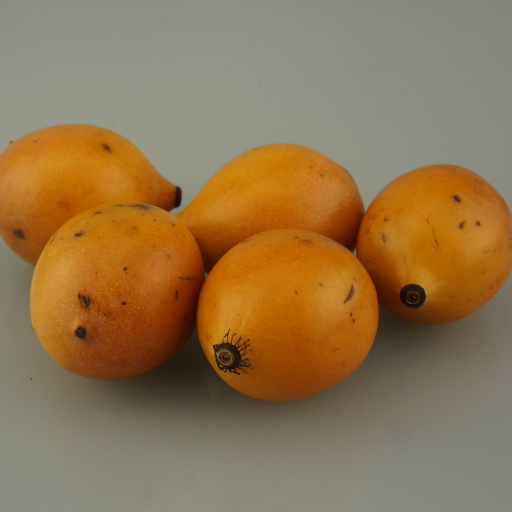
Garcinia humilis, famously known as the Achacha, is the "dancing fruit" of the Bolivian Amazon. A sophisticated cousin to the prized Mangosteen, it has gained global fame for its refreshing, bittersweet flavor that balances the tang of a lime with the sweetness of a melon. In its native Bolivia, the name translates to "honey kiss," a poetic nod to the delightful treat hidden inside its tough, orange rind.
🔍 How to Identify
- 🍃 Glossy Foliage: The leaves are thick, lance-shaped, and a deep, leathery green. They typically grow in opposite pairs, giving the tree a lush, dense appearance.
- 🥚 The "Egg" Fruit: It produces distinctive egg-shaped fruits that transition from green to a vibrant, burnt orange as they ripen. The skin is smooth but surprisingly firm.
- 🌲 Pyramidal Shape: Unlike many sprawling tropical trees, the Achacha naturally grows in a neat, Christmas-tree-like pyramid, making it a very handsome ornamental specimen.
🏡 In Your Garden
- 🌱 Patience is a Virtue: This is a notoriously slow-growing tree. It spends its early years focusing on a deep taproot, which means it strongly dislikes being transplanted. It’s best to choose a permanent, sunny spot from the start.
- 💧 Acidic Aspirations: It thrives in rich, well-draining soil that leans toward the acidic side. To keep it happy, mulch heavily to mimic the nutrient-rich floor of the Amazon rainforest and maintain consistent moisture.
⚠️ Safety & Toxicity
- ✅ Safe for Consumption: The white, translucent pulp is entirely edible and delicious. In fact, the skins are often soaked in water to create a refreshing, antioxidant-rich beverage.
- 🐾 Seed Caution: Each fruit contains one or two large, mahogany-colored seeds. These are not for eating and should be kept away from curious pets, as they present a choking hazard and contain bitter tannins that may cause digestive upset.
✨ Fun Fact
The Achacha is often called a "superfruit" because it contains significantly less sugar than its relative, the Mangosteen, while boasting a much higher concentration of antioxidants and minerals like potassium!

Detailed Care Instructions
| Humidity | Normal |
| Lighting | Part Sun |
| Difficulty | Easy |
| Temperature | 20°C - 30°C |
| Hardiness Zones | 9 - 11 |
To grow Garcinia humilis, also known as achachairu or achacha, you can follow these steps:
- Climate and location: Garcinia humilis grows well in tropical or subtropical climates. It requires a warm and humid environment with average temperatures above 60°F (15°C). Choose a location with full or partial sun exposure.
- Soil: The plant prefers well-draining, fertile soil with a pH level between 5.5 and 7.0. Amend the soil with organic matter, such as compost or well-rotted manure, to improve its fertility and moisture retention.
- Planting: Purchase Garcinia humilis seeds from a reputable source or obtain them from a ripe fruit. The seeds are often polyembryonic, meaning multiple seedlings can arise from one seed. Sow the seeds 1-2 inches deep in small pots or planting trays filled with a well-draining potting mix.
- Germination: Keep the soil consistently moist but not overly saturated. It may take several weeks for the seeds to germinate, so be patient. Keep the pots or trays in a warm location, around 77°F (25°C). Use a heat mat if necessary to maintain a consistent temperature.
- Transplanting: Once the seedlings are around 6-8 inches tall and have developed a few sets of leaves, they can be transplanted into larger containers or directly into the ground. Ensure the containers or planting holes have good drainage.
- Care: Regularly water the plants, keeping the soil moist but not waterlogged. Avoid letting the soil dry out completely. Provide some shade during the hottest parts of the day, especially when the plants are young. Mulching around the base of the plants can help retain moisture and suppress weed growth.
- Fertilization: Apply a balanced, slow-release fertilizer according to the manufacturer's instructions during the growing season. Alternatively, you can use organic fertilizers like compost or composted manure.
- Pruning: Prune the plants to maintain a compact shape and remove any dead, damaged, or diseased branches. This will help enhance air circulation and promote healthier growth.
- Harvesting: Garcinia humilis typically takes around 4-5 years to produce fruit. The fruit is bright orange and resembles a small pumpkin. Wait until the fruit is fully ripe before harvesting. It should easily detach from the tree when gently twisted. The fruit is delicious and can be eaten fresh or used in various recipes.
Remember to have patience as Garcinia humilis takes time to grow and bear fruit. Regular care, such as watering, fertilizing, and pruning, will promote healthy growth and increase the chances of fruit production.

Place in a window with dappled sun or a spot in the middle of a room. Or directly in a window facing west or east.

In order to properly water this particular plant, it is important to take into consideration the soil and surrounding environment. One should first ensure that the soil is well-draining and not waterlogged. When watering, it is best to apply water slowly and deeply to allow it to penetrate the soil and reach the roots. It is important to avoid getting water on the leaves as this can cause fungal growth. In addition, the frequency of watering will depend on the amount of rainfall, temperature, and humidity in the environment. Generally, it is best to water when the top inch of soil feels dry to the touch. Overwatering can be detrimental to the plant, so it is important to monitor the soil moisture levels.
To fertilize this plant, you can use a nitrogen-rich fertilizer or a balanced fertilizer with equal parts nitrogen, phosphorus, and potassium. Apply the fertilizer during the growing season, which is usually during the spring and summer months. Make sure to follow the instructions on the fertilizer packaging for proper application rates and timing. Avoid over-fertilizing, as this can lead to excessive vegetative growth and reduce the plant's overall health. Additionally, it is recommended to water the plant before and after applying fertilizer to prevent the roots from burning.
Garcinia humilis is a plant that requires well-draining soil that is rich in organic matter. The soil should be slightly acidic with a pH range between 5.5 and 6.5. It is important to avoid using heavy clay soils or soils that are too sandy, as they can impede proper drainage and root growth. Additionally, the soil should be able to hold moisture, but not be waterlogged, as this can lead to root rot. It is recommended to mix in compost or other organic materials to provide nutrients and improve soil structure. Overall, the ideal soil for Garcinia humilis is one that is well-draining, slightly acidic, and rich in organic matter.
To propagate this particular plant, one needs to collect its ripe fruits. Once the fruits are collected, they need to be cleaned thoroughly and then left to dry for some time in a cool and dry place. When the fruits are completely dry, they need to be opened up and the seeds inside should be separated carefully.
Before planting these seeds, it's best to soak them in water to speed up their germination process. Once they have been soaked for a few hours, the seeds should be planted in a well-draining potting mix. The container should be kept in a warm and humid environment to encourage the seeds to germinate.
There are also some techniques that can be used to speed up the propagation process. For instance, one can use stem cuttings or air layering methods to produce new plants from existing ones. In the case of stem cuttings, one should select a healthy stem and make a clean cut before planting it in soil. Meanwhile, air layering involves scoring the bark of a branch and then wrapping it with moss to promote root growth.
In any case, it's important to provide the newly propagated plants with sufficient light, water, and nutrients to ensure healthy growth.
Common pests of the achacha include Spider mites, fungus gnats, aphids, thrips, whiteflies. Make a habit of checking your achacha frequently for pests so that any infestations can be caught and managed early.








