Plant Overview
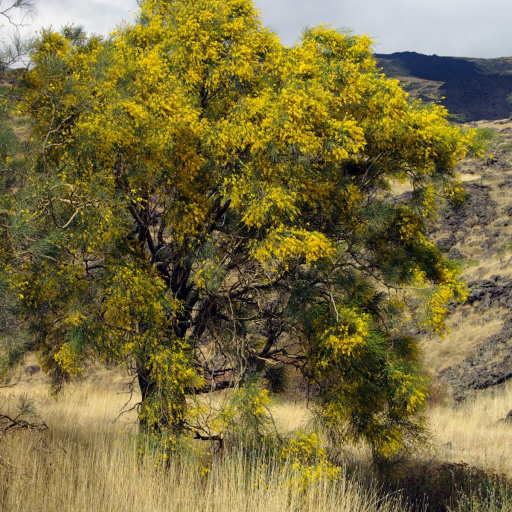
Known as the Mount Etna Broom, this spectacular shrub is a true survivor from the volcanic slopes of Sicily and Sardinia. It is often described as a "golden fountain" because of its elegant, arching branches that transform into a cascade of brilliant yellow blooms in midsummer. Despite its delicate, airy appearance, it is incredibly tough, thriving in conditions where other plants might wither.
🔍 How to Identify
- 🌼 The Flowers: Produces a profusion of bright yellow, pea-like blossoms that release a sweet, honey-like fragrance into the summer air.
- 🌿 The Foliage: Interestingly, this plant appears almost leafless. It features slender, rush-like green stems that perform most of the photosynthesis, with tiny, transient leaves that drop quickly.
- 📉 Growth Habit: It forms a large, wispy shrub or small tree with a distinctive weeping or "fountain" silhouette, often reaching heights of 15 feet or more.
🏡 In Your Garden
- ☀️ Sun Seeker: This plant is a sun-worshiper. It needs a south-facing spot with maximum exposure to thrive and produce its signature golden display.
- 🏜️ Drainage is Key: Originating from volcanic soil, it demands excellent drainage. It loves gritty or sandy soil and is highly drought-tolerant once established, making it perfect for xeriscaping.
- 🚫 Don't Move Me: Like many members of the pea family, it develops a deep taproot. It hates being transplanted, so choose its "forever home" in your garden carefully while it is still young.
⚠️ Safety & Toxicity
- 🐾 Mildly Toxic: Like many species in the Genista genus, it contains alkaloids that can be harmful if ingested in large quantities.
- 👶 Keep Watch: While not considered deadly, it can cause stomach upset or nausea in curious pets or small children who might try to nibble on the seeds or pods.
✨ Fun Fact
This plant is a "pioneer species" on Mount Etna. It is one of the first plants to colonize cooled lava flows, effectively turning barren, black volcanic rock into a lush, golden landscape and helping to prepare the soil for other species to follow.

Detailed Care Instructions
| Humidity | Normal |
| Lighting | Full Sun |
| Toxicity | Poisonous |
| Difficulty | Medium |
| Hibernation | Cold Period |
| Hardiness Zones | Max 9 |
To grow Genista Aetnensis plant, also known as Mount Etna broom, you can follow these steps:
- Climate: Genista Aetnensis thrives in full sunlight and prefers a Mediterranean climate. It can tolerate some cold but is not frost-resistant.
- Soil: The plant prefers well-draining and slightly acidic soil. Add organic matter such as compost before planting to improve soil fertility and drainage.
- Planting: Genista Aetnensis can be planted from seeds or cuttings. If using seeds, soak them in warm water for 24 hours before planting. Plant the seeds or cuttings in a hole twice the size of their root ball, and backfill with soil.
- Watering: While the plant is establishing its roots, water it regularly to keep the soil moist but not saturated. Once established, it is drought-tolerant and requires less watering.
- Pruning: Prune the plant annually to maintain its shape and promote bushier growth. Remove dead, damaged, or inward-growing branches. Pruning after flowering encourages better blooming.
- Fertilizer: Genista Aetnensis does not require heavy feeding. Apply a balanced, slow-release fertilizer in spring to enhance growth. Avoid over-fertilizing, as it can result in excessive foliage growth with fewer flowers.
- Pests and Diseases: The plant is generally resistant to pests and diseases. However, keep an eye out for aphids, scale insects, and powdery mildew. Treat any infestations promptly with organic or chemical controls.
- Support: Genista Aetnensis can benefit from support when it gets taller, as its stems can become heavy. Provide stakes or other supports to prevent breakage during heavy rain or winds.
By following these guidelines, you can successfully grow Genista Aetnensis plant and enjoy its beautiful blooms.

Place in a dark room with little light, like a dark bedroom or a spot far away from a window or directly in a north-facing window.

To water this plant, it is important to first check the soil moisture level. If the soil feels dry to the touch, it is time to water. When applying water, it is best to use a watering can or hose with a gentle flow to avoid damaging the plant. The water should be directed at the base of the plant and allowed to soak into the soil. Avoid over-watering as this can lead to root rot and other diseases. It is also important to allow the soil to dry out slightly in between watering to promote healthy root growth. Regular watering during the plant's active growing season, typically in spring and summer, will help it to thrive.
To fertilize a Genista Aetnensis plant, use a balanced, slow-release fertilizer in the spring or early summer. Be sure to follow package instructions for the correct amount and method of application. Avoid fertilizing during periods of drought or extreme heat. It is also recommended to supplement with organic matter or compost to maintain soil health and fertility.
Genista Aetnensis plant prefers well-drained, acidic soil with a pH of 5.5-6.5. It should be grown in a soil that is rich in organic matter and has good drainage. In addition, it requires a soil that is moist but not waterlogged. Sandy loam or loamy soil is ideal for this plant. The soil should also be free of any rocks or stones that may impede root growth. It is recommended to mix some coarse sand, peat moss, and perlite with the soil to improve drainage and aeration. Fertilizer should be applied sparingly, as this plant prefers lean soil.
Genista Aetnensis is a plant that belongs to the Fabaceae family and is native to the Mediterranean region. To propagate this plant, follow these steps:
- Collect the seeds from a mature and healthy plant during the autumn months when the pods are brown and dry.
- Soak the seed in warm water for 24 hours to soften the hard outer layer.
- Fill a pot or seed tray with well-draining soil and sow the seeds at a depth of 1-2 centimeters.
- Water the soil gently to keep it moist but not saturated.
- Place the pot or seed tray in a warm and bright location that gets plenty of indirect sunlight.
- Once the plant seedlings have grown to a height of 7-10 centimeters, transplant them into individual pots to allow them space to grow.
- Water the plants regularly, making sure not to overwater as this can cause root rot.
- Fertilize the plant with a balanced fertilizer every six weeks to give it the necessary nutrients to thrive.
- Once the plant reaches maturity, it can be propagated through summer cuttings taken from the new growth.
- Dip the cuttings in rooting hormone and place them in a well-draining soil mix.
- Keep the soil moist and provide the cutting with bright indirect light until it has taken root.
By following these steps, you can successfully propagate the Genista Aetnensis plant and grow a healthy new plant from seeds or cuttings.








