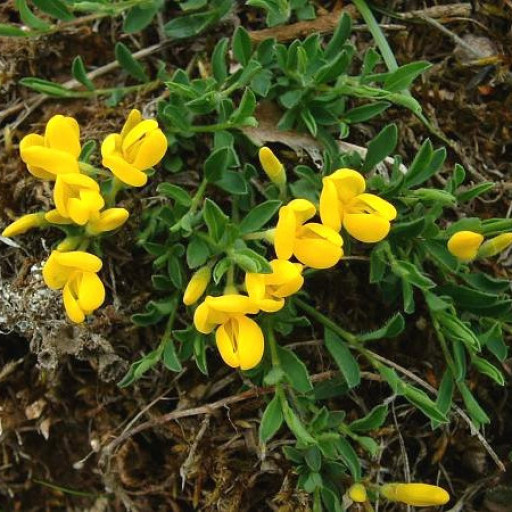
Plant Overview
Known affectionately as the Silkyleaf Broom or Hairy Greenweed, this sun-loving shrub is a master of the rocky landscape. Native to the windswept hills of Europe, it creates a "golden carpet" effect that can turn a drab garden slope into a vibrant Mediterranean scene. It is a tough-as-nails survivor that thrives where other plants wither, making it a favorite for low-maintenance "xeric" (dry) landscaping.
🔍 How to Identify
- 🌿 Silky Foliage: The small, elliptical leaves are deep green on top, but if you flip them over, you’ll find a coat of fine, silvery hairs that give the plant its "pilosa" (hairy) name.
- 🌼 Pea-Like Blooms: In late spring, the plant erupts in bright, lemon-yellow flowers that look like tiny butterflies clustered along the stems.
- 🪴 Low Profile: Unlike its taller cousins, this species is a "prostrate" grower, meaning it hugs the ground and spreads horizontally, rarely growing taller than 12–18 inches.
🏡 In Your Garden
- 🏜️ Thrives on Neglect: This plant actually prefers "poor" soil. It has a specialized taproot that seeks out deep water and forms a partnership with soil bacteria to "fix" its own nitrogen, meaning it rarely needs fertilizer.
- ☀️ Sun Worshipper: To keep its growth dense and its flowering prolific, it needs the brightest spot in your garden. In too much shade, it becomes leggy and loses its signature silvery sheen.
- ✂️ Pruning Caution: While it can be shaped, avoid cutting back into the old, woody parts of the stem. Genista pilosa struggles to grow new buds from old wood, so only light "haircuts" on the green growth are recommended.
⚠️ Safety & Toxicity
- 🚫 Toxic if Ingested: Like many members of the Broom family, this plant contains quinolizidine alkaloids (such as cytisine).
- 🐾 Pet & Child Safety: Keep this plant away from curious nibblers. Ingestion can cause nausea, vomiting, and a slowed heart rate. It is generally avoided by deer and rabbits because of its bitter taste.
✨ Fun Fact
The genus Genista has royal roots! It is the source of the name for the Plantagenet dynasty of English kings. Geoffrey of Anjou, the father of Henry II, famously wore a sprig of common broom (Planta genista) in his hat as a humble badge.

Detailed Care Instructions
| Humidity | Normal |
| Lighting | Part Sun |
| Difficulty | Medium |
| Hibernation | Cold Period |
| Temperature | Min 21°C |
| Hardiness Zones | 9 - 12 |
To grow Genista pilosa, also known as mossy broom, you can follow these steps:
- Choose the right location: Genista pilosa thrives in full sun to partial shade. Select an area with well-drained soil, as this plant does not tolerate wet or waterlogged conditions.
- Prepare the soil: Make sure the soil is loose, well-draining, and enriched with organic matter. Amend the soil with compost or well-rotted manure to improve its fertility and drainage.
- Sow the seeds: Genista pilosa can be propagated from seeds. Sow the seeds directly in the prepared soil in early spring or early autumn. Gently press the seeds into the soil and cover them lightly with a thin layer of soil.
- Watering: Initially, keep the soil slightly moist to ensure proper germination. Once the plants are established, they are drought tolerant and can tolerate some dry periods. Water them sparingly, allowing the soil to dry between watering sessions.
- Pruning: After the plants have finished flowering, you can prune them to maintain their shape and encourage bushiness. Cut back any dead or damaged branches. However, avoid heavy pruning as it may inhibit blooming the following year.
- Fertilization: Genista pilosa does not require much fertilization. However, you can apply a balanced slow-release fertilizer in spring or early autumn to promote healthy growth.
- Mulching: Apply a layer of organic mulch around the base of the plant to conserve moisture, suppress weed growth, and provide insulation during extreme temperatures.
- Pest and disease control: Genista pilosa is generally resistant to pests and diseases, making it a low-maintenance plant. However, keeping the plants well-spaced and providing good airflow can help prevent any potential issues.
- Division: If desired, you can divide established clumps of Genista pilosa every 3-4 years in early spring. This helps maintain the vigor of the plant and also provides an opportunity to propagate new plants.
By following these steps, you can successfully grow Genista pilosa and enjoy its beautiful yellow flowers and ornamental foliage.

Place in a bright room that is sun drenched almost all day. Or directly in a south-facing window.

To properly water this plant, you should first observe the moisture level of the soil by inserting your finger about an inch deep into the soil. If the soil feels dry, it is time to water. It is recommended to water the plant deeply, saturating the entire root zone. However, it is important to avoid overwatering as this can lead to root damage. Allow the soil to dry out slightly before watering again. Additionally, it is best to avoid getting the foliage wet, as this can lead to disease and pest issues. Lastly, be mindful of the plant's growing conditions and adjust watering accordingly during periods of extreme heat or cold.
This plant should be fertilized once a month during the growing season, which typically runs from spring through summer. Use a balanced, all-purpose fertilizer, following the instructions on the packaging for application rates. Water the plant before and after fertilizing to prevent root burn. Avoid fertilizing during the plant's dormant period in winter.
The ideal soil for the Genista Pilosa plant is a well-draining, sandy-loam soil that is slightly acidic. The soil should have a pH level of between 6.0 and 6.5. It is important that the soil is not waterlogged, as this can lead to root rot and other problems. The plant prefers soil that is rich in organic matter, so adding compost or other organic fertilizers can be beneficial. Additionally, the soil should be able to hold moisture without becoming saturated. In terms of texture, a loose, friable soil is best, as this allows for good air flow and drainage. Overall, the goal is to provide a nutrient-rich, well-draining soil that is ideal for the Genista Pilosa plant's growth and development.
To propagate this plant, take stem cuttings in the early spring. Choose a healthy stem and cut it 4-5 inches long. Remove the leaves on the lower half of the stem and dip the bottom in rooting hormone powder or gel. Plant the stem in a pot filled with well-draining soil and keep it moist. Place the pot in a warm, bright location but avoid direct sunlight. Water the plant whenever the soil feels dry to the touch. After about 4-6 weeks, the stem should have developed roots and new growth. You can then transplant the young plant into a larger pot or to the outdoor garden.








