Plant Overview
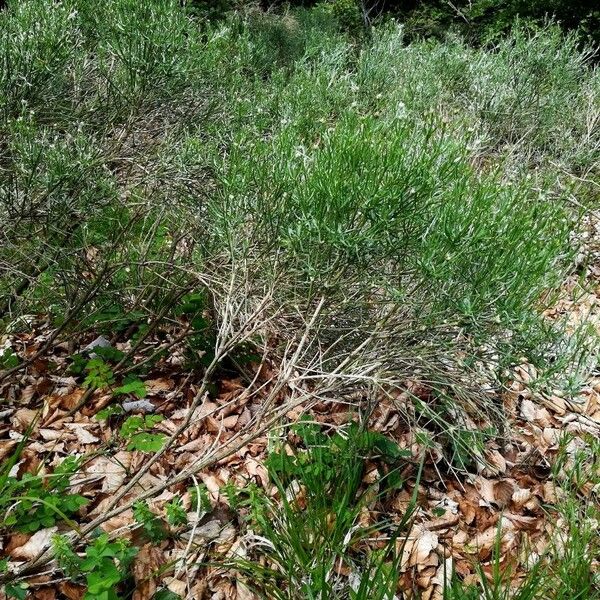
Known as the "Starry Broom," Genista radiata is a living sculpture that brings a touch of the wild European mountains to the garden. It is famous for its dense, hedgehog-like dome shape and its "leafless" appearance, which creates a striking architectural silhouette even when it isn't blooming. In the heights of the Alps, it serves as a rugged survivor, clinging to rocky slopes where few other plants dare to grow.
🔍 How to Identify
- 🌟 Radiating Stems: The plant consists of stiff, wiry, green stems that branch out in opposite pairs, creating a symmetrical, star-like pattern that gives the plant its name.
- 🌼 Pea-Like Blooms: In early to mid-summer, the tips of the branches are smothered in bright, golden-yellow flowers that resemble miniature sweet peas.
- 🍃 Ghostly Leaves: It actually produces tiny, three-parted leaves, but they are short-lived. The plant quickly drops them to conserve moisture, leaving the green stems to do the work of photosynthesis.
🏡 In Your Garden
- ⛰️ Rock Specialist: This shrub is a master of the "dry garden." It craves well-drained, even poor or rocky soil, and thrives in limestone-rich environments where other plants might wither.
- ⚓ The Taproot Rule: Like many members of the broom family, it develops a deep, stubborn taproot very quickly. This makes it incredibly drought-tolerant but means it is notoriously difficult to transplant; once you pick a spot, it’s best to let it stay there for life.
⚠️ Safety & Toxicity
- 🚫 Toxic Status: All parts of the Starry Broom are considered toxic if ingested.
- 🐾 Alkaloid Risk: The plant contains alkaloids (specifically cytisine) that can be harmful to humans, cats, dogs, and horses. Ingestion can lead to nausea, vomiting, or in rare cases, more severe neurological symptoms. It is best placed in areas where curious pets or toddlers won't be tempted to "sample" the yellow flowers.
✨ Fun Fact
Because the Starry Broom drops its leaves so early to survive dry mountain air, it has evolved "chlorophyll-filled" stems. This means the branches themselves act like solar panels, allowing the plant to breathe and grow even when it looks like a bundle of bare twigs!

Detailed Care Instructions
To grow Genista Radiata, also known as Spanish Gorse, you can follow these steps:
- Select a suitable location: Spanish Gorse prefers full sun but can tolerate partial shade. Ensure the soil is well-drained and moderately fertile.
- Obtain the plant: You can purchase a Genista Radiata plant from a local nursery or online. Alternatively, you can start from seeds.
- Planting from seeds: If starting from seeds, you can sow them directly in the prepared soil in early spring or fall. Lightly cover the seeds with soil and water gently. Maintain proper spacing, as these plants require ample air circulation.
- Planting young plants: Dig a hole slightly larger than the root ball of the plant. Place the plant in the hole and backfill with soil, ensuring the top of the root ball is level with the soil surface. Water the plant thoroughly after planting.
- Watering and moisture: While Genista Radiata is initially established, it requires regular watering. Once established, it is drought-tolerant and will only need occasional watering during prolonged dry periods.
- Pruning and maintenance: Genista Radiata requires minimal pruning. Remove any dead, damaged, or diseased branches as needed. Prune lightly in early spring to maintain a compact shape if desired.
- Fertilizing: These plants generally do not need much fertilizing. However, you can apply a balanced slow-release fertilizer in early spring to encourage healthy growth.
- Pest and disease control: Genista Radiata is generally resistant to pests and diseases. However, be on the lookout for aphids, spider mites, or powdery mildew. If issues arise, treat accordingly using appropriate insecticides or fungicides.
- Winter care: Genista Radiata is hardy in USDA zones 8-10. In colder areas, provide winter protection by covering the plant with a layer of mulch or moving it to a sheltered location.
- Enjoy and appreciate: Genista Radiata produces vibrantly colored yellow flowers in spring, which add beauty to your garden. Take pleasure in the blooms and the fragrance they may emit.
Remember to consult local gardening resources or a horticulturist to ensure that Genista Radiata is suitable for your specific climate and growing conditions.

Place in a bright room that is sun drenched almost all day. Or directly in a south-facing window.

Genista Radiata plant belongs to the family of Fabaceae. It is best to water this plant using a well-draining soil mix. Before watering, check if the soil has dried out completely by sticking your finger about an inch deep into the soil. If it feels dry, it is time to water the plant.
To water, pour water directly into the soil and avoid getting water on the leaves, as this can encourage fungal growth. Water the plant until the water starts draining out of the bottom of the pot. Discard any excess water from the saucer under the pot to avoid waterlogging.
The frequency of watering will depend on various factors such as the size of the pot, temperature, and humidity of the environment, and the amount of light the plant is receiving. In general, it is recommended to water Genista Radiata plant once a week during the growing season (spring to fall), and reduce watering during the dormant season (winter). However, always adjust this according to the specific needs of your plant, and be careful not to overwater, as this can lead to root rot.
To fertilize this plant, you should use a balanced fertilizer with equal amounts of nitrogen, phosphorus, and potassium. Apply the fertilizer once every two months during the growing season, which is generally from spring to early fall. Be sure to follow the instructions on the fertilizer package for the correct application rate and method. Avoid over-fertilizing as this can burn the roots and harm the plant. Water the plant thoroughly before and after fertilizing to ensure the nutrients are absorbed properly.
The appropriate soil type for the Genista Radiata plant should have a well-draining composition with low levels of nutrients. The soil pH should be slightly acidic, ranging from 6 to 7.5. Ideal soil mixtures may contain a blend of sand, coarse perlite, peat moss, and loamy soil. It is recommended to avoid using heavy clay or compacted soils as they may impede water drainage and decrease root growth. Additionally, the soil should be moderately moist and not excessively wet. Watering practices should aim to keep the soil consistently moist, but not waterlogged.
To propagate this plant species, you will need to choose a healthy and strong parent plant that has reached maturity. You can either use stem cuttings or seeds to grow the new plant.
For stem cuttings, select a mature stem that is around 10-15 cm long and free from any signs of disease or damage. Cut the stem using a clean and sharp pair of scissors or garden shears, making sure to cut just below a node (the point where leaves emerge from the stem). Remove any leaves from the bottom half of the stem and dip the cut end into rooting hormone. Place the stem cutting in a pot filled with moist soil, cover it with a plastic bag or clear container, and keep it in a bright but shaded area. Water the cutting regularly and wait for new roots to grow before transplanting it into its permanent location.
For seed propagation, collect mature seeds from the plant and sow them in a pot filled with soil. Cover the seeds with a thin layer of soil and water them well. Keep the pot in a warm and bright area, but away from direct sunlight. Water regularly, ensuring that the soil stays moist. When the seedlings have grown a few inches tall, transplant them into their permanent location.
With proper care and maintenance, your newly propagated plant will grow into a healthy and beautiful specimen.








