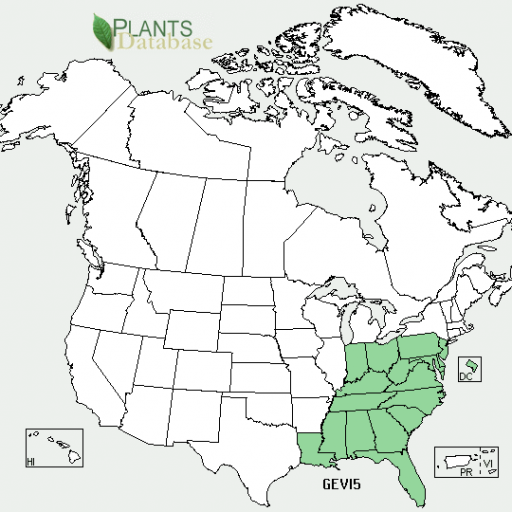
Plant Overview
Often called the Striped Gentian or Sampson’s Snakeroot, this understated woodland gem is a favorite for those who love "hidden" wildflowers. Unlike its electric-blue cousins, Gentiana villosa opts for a sophisticated palette of cream and pale green. In folk medicine, it was once carried as a charm for strength, earning its nickname from the biblical strongman, Samson.
🔍 How to Identify
- 🌸 Closed Blooms: The flowers look like un-popped buds or narrow vases, typically appearing in shades of greenish-white or pale cream.
- 🎨 Interior Art: If you peek inside the bloom, you’ll see delicate purple or dark green vertical stripes that act as nectar guides for savvy insects.
- 🍃 Smooth Texture: Despite its species name villosa (which usually means "hairy"), the leaves are surprisingly smooth and arranged in opposite pairs along the stem.
🏡 In Your Garden
- 🌳 Woodland Preference: This plant thrives in dry to moist open woods and clearings. In a garden setting, it demands a spot that mimics the dappled light of a forest canopy.
- 🚫 Deep Taproot: It develops a very sturdy, deep root system. It is notoriously difficult to transplant once established, so choose its permanent home wisely and avoid moving it later.
⚠️ Safety & Toxicity
- 🐾 Low Risk: While not considered highly toxic, gentians contain extremely bitter compounds (gentiopicroside). It is best to keep it away from curious pets to avoid potential stomach upset.
- 🤚 General Caution: As with any wild-type plant, it is not for human consumption unless guided by a professional. The bitterness is a natural deterrent against herbivores.
✨ Fun Fact
🐝 Strong Bees Only: Because the flowers remain tightly closed at the top, only "heavy-duty" pollinators like bumblebees are strong enough to force their way inside. Watching a bee "muscle" its way into a Striped Gentian is a fascinating highlight for any backyard naturalist!

Detailed Care Instructions
To grow Gentiana villosa, commonly known as striped gentian, follow these steps:
- Select a suitable location: Gentiana villosa requires a cool and moist environment. Choose a location with partial shade, as direct sunlight can damage the plant. Additionally, ensure the soil is well-draining and slightly acidic.
- Prepare the soil: Gentiana villosa prefers organic-rich soil. Add compost or well-rotted manure to improve drainage and fertility. Mix it thoroughly with the existing soil.
- Planting: Dig a hole that is slightly larger than the root ball of the plant. Place the plant in the hole, ensuring that the soil level of the plant matches the surrounding soil level. Gently firm the soil around the plant.
- Watering: Keep the soil consistently moist, but not waterlogged. Water the plant deeply whenever the top inch of soil feels dry. Avoid overwatering, as it can lead to root rot.
- Mulching: Apply a layer of organic mulch around the plant to retain moisture and keep the soil cool. Avoid mulching directly against the plant stems to prevent rotting.
- Fertilization: Gentiana villosa does not require much fertilization. However, you can apply a slow-release or organic fertilizer in early spring if the soil is lacking in nutrients.
- Pruning: Trim back any dead or damaged foliage to maintain plant health. However, avoid excessive pruning, as it may affect the blooming of the plant.
- Propagation: Gentiana villosa can be propagated through division or by sowing seeds. Divide the plant in early spring or autumn, ensuring each division has a portion of the root system. Sow seeds indoors in late winter or early spring, and transplant the seedlings outdoors once they are sturdy enough.
- Pests and diseases: Striped gentian is generally resistant to pests and diseases. However, keep an eye out for slugs and snails, which may feed on the leaves. Regularly inspect the plant for any signs of damage and address them promptly.
- Winter care: Provide a layer of organic mulch in late fall to protect the plant from freezing temperatures. Ensure the plant is well-watered before winter to prevent dehydration.
By following these steps, you can successfully grow Gentiana villosa and enjoy their beautiful striped flowers.

Place in a bright room that is sun drenched almost all day. Or directly in a south-facing window.

Gentiana Villosa is a plant that requires thorough watering, but it is important not to over-water it. To water Gentiana Villosa, it is recommended to check the soil to determine if it is dry before watering. One way to determine this is by sticking your finger in the soil about an inch deep. If the soil feels dry, then it is time to water the plant.
When watering, it is important to be gentle and to avoid getting water on the leaves or flowers. The best way to do this is by watering the base of the plant, directing the water towards the soil. Water the plant slowly and make sure that the soil is well saturated.
It is also important not to let the plant sit in water, as this can lead to root rot. Therefore, it is recommended to remove any excess water that collects in the saucer or tray underneath the pot after watering.
Overall, Gentiana Villosa requires thorough, yet careful watering to maintain its health and beauty.
To fertilize this plant, use a balanced fertilizer with an N-P-K ratio of 10-10-10. Apply the fertilizer once every two weeks during the growing season, which typically runs from early spring to late summer. Dilute the fertilizer in water according to the package instructions and apply it to the soil around the base of the plant. Be careful not to get the fertilizer on the leaves or flowers as it may burn them. Water the plant immediately after fertilizing to help distribute the nutrients throughout the soil.
The ideal soil for the Gentiana Villosa plant should be well-draining and slightly acidic. The soil should not be too heavy or compact, as this can lead to waterlogging. It is recommended to mix in some sand or perlite to improve drainage and aeration. The plant also prefers moist soil, but it should not be constantly wet. The nutrient content of the soil is not as critical, but it is recommended to add some organic matter, such as compost or aged manure, before planting. Overall, the soil should be able to provide adequate drainage, moisture, and nutrients to support healthy growth and flowering of the Gentiana Villosa plant.
To propagate this plant, you can start with stem cuttings or division of the plants. For stem cuttings, select healthy stems that are not flowering and take cuttings which are around 6-8 cm long with several leaves attached. Remove the lower leaves and apply rooting hormone to the cut end. Place the cutting in moist soil and keep it in a well-lit area. Keep the soil moist and after 4-6 weeks, the cutting should begin to form roots and new foliage.
For division, dig up the plant and carefully separate the root system into smaller sections, making sure each section has a healthy stem with leaves and roots. Replant the sections in a suitable location with well-draining soil.
Propagation can also be done by sowing seeds in early spring. Sow the seeds in soil that has been moistened and placed in a cold location for several weeks before moving to a warm, bright area. Seed germination can be slow, taking up to 2-3 months, but once the seedlings have developed several leaves, they can be transplanted to their permanent location in the garden.








