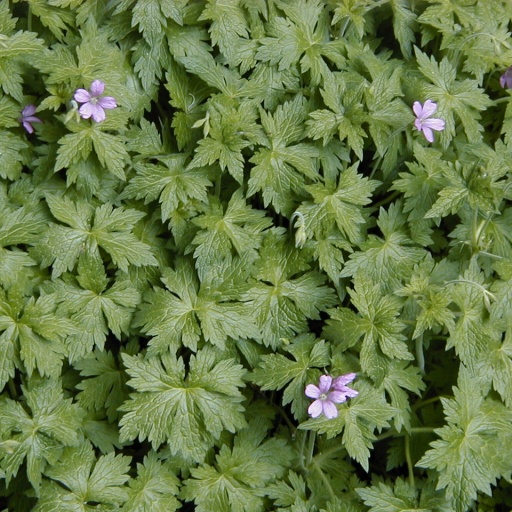
Plant Overview
Hailing from the lush slopes of the Pyrenees, Geranium endressii, commonly known as the French Crane’s-bill, is the reliable best friend of the cottage garden. This hardy perennial is beloved for its ability to weave through other plants, creating a soft carpet of shimmering pink flowers that seem to glow at twilight. It is a "true" geranium, distinguished from the common florist's Pelargonium by its incredible frost resistance and delicate, woodland charm.
🔍 How to Identify
- 🌸 The Blooms: Features five-petaled, funnel-shaped flowers in a distinct shade of silvery-pink, often marked with fine, darker raspberry-colored veins.
- 🍃 The Foliage: Its leaves are deeply lobed and palmate (shaped like a hand), forming a dense, bushy mound of bright, semi-evergreen green.
- 🏗️ The Habit: It grows via underground rhizomes, meaning it spreads steadily to form a lush groundcover without becoming aggressively invasive.
🏡 In Your Garden
- 🌱 The Weed Smotherer: Because of its dense mounding habit, this plant is an excellent choice for "living mulch." It knits together so tightly that it effectively prevents weed seeds from reaching the soil.
- ✂️ The Refresh Strategy: If the plant begins to look a bit "floppy" or tired in mid-summer, don't be afraid to shear it back hard—leaves and all. It will reward you with a flush of fresh, vibrant foliage and a second wave of blooms in late summer.
- ⛅ Versatile Light: While it thrives in the dappled sunlight of a woodland edge, it is surprisingly resilient in full sun as long as the soil doesn't bake completely dry.
⚠️ Safety & Toxicity
- ✅ Generally Safe: Unlike its cousins in the Pelargonium genus (which are often toxic to pets), Geranium endressii is generally considered non-toxic to humans and animals.
- 🐕 Pet Note: While not poisonous, any plant material can cause mild digestive upset if a curious dog or cat eats a large quantity. It is a safe, "worry-free" addition to a family yard.
✨ Fun Fact
The name "Crane's-bill" comes from the unique shape of the plant's seed pod. Once the flower fades, the fruit develops into a long, slender column that looks exactly like the beak of a crane. When the seeds are ripe, this "beak" acts like a spring-loaded catapult, flinging the seeds several feet away from the parent plant!

Detailed Care Instructions
| Hardiness Zones | Max 8B |
To grow Geranium Endressii plants, follow these steps:
- Find a suitable location: Geranium Endressii plants prefer full sun to partial shade. Choose a spot in your garden that receives at least 6 hours of sunlight daily.
- Prepare the soil: Geranium Endressii plants thrive in well-draining soil. Amend the soil with organic matter, such as compost, to improve drainage and fertility. Remove any weeds or debris from the planting area.
- Planting: Dig a hole that is slightly larger than the root ball of the plant. Place the Geranium Endressii plant in the hole, ensuring the top of the root ball is level with or slightly above the soil surface. Fill the hole with soil and gently firm it around the plant.
- Watering: Give the plant a thorough watering immediately after planting to help settle the soil. Water regularly but avoid over-watering, as Geranium Endressii plants prefer slightly drier conditions.
- Mulching: Apply a layer of organic mulch, such as wood chips or straw, around the base of the plant. Mulch helps retain moisture in the soil and suppresses weeds.
- Pruning: Deadhead spent flowers regularly to encourage more blooms and maintain a tidy appearance. You can also trim back overgrown or leggy stems to promote new growth and bushiness.
- Fertilizing: Geranium Endressii plants typically do not require excessive fertilizing. However, you can apply a balanced, slow-release fertilizer in early spring to provide nutrients for the growing season.
- Control pests and diseases: Monitor the plants for any signs of pests, such as aphids or caterpillars, and apply appropriate organic pest control methods if necessary. Geranium Endressii plants are generally disease-resistant, but they may occasionally encounter issues like fungal infections. Proper watering and good air circulation can help prevent diseases.
- Propagation: You can propagate Geranium Endressii plants through division or by taking stem cuttings. Divide mature plants in early spring or late fall, ensuring each division has a healthy root system. For stem cuttings, take 4-6 inch (10-15 cm) long stems, strip off the lower leaves, and plant them in well-draining soil or a rooting medium.
With proper care, Geranium Endressii plants should grow vigorously, producing beautiful clusters of pink or lavender flowers throughout the growing season.

Place in a bright room that is sun drenched almost all day. Or directly in a south-facing window.

Geranium Endressii plant likes to be watered regularly, but it doesn't like to be watered too much or too often. The best way to keep it healthy is to water it deeply once a week, making sure the soil is moist but not waterlogged. It's important to let the soil dry out slightly between waterings to prevent root rot.
When watering, aim for the base of the plant rather than watering from above. This will help prevent water from sitting on the leaves, which can lead to fungal infections.
In the winter, the plant will need less water as it goes dormant. Keep an eye on the soil moisture and only water when needed.
It's also important to provide good drainage for the plant, as it doesn't like sitting in soggy soil. Make sure the pot or planting area has drainage holes and consider adding a layer of rocks to the bottom for additional drainage.
Overall, watering Geranium Endressii plant is all about finding a balance between giving it enough water to thrive without overwatering and causing damage to the roots.
To fertilize this plant, use a balanced fertilizer with equal parts of nitrogen, phosphorous, and potassium. Apply it once a month during the growing season, from early spring to late summer. Make sure to water the plant beforehand, then apply the fertilizer to the soil around the base of the plant. Be careful not to get the fertilizer on the foliage or blooms.
Geranium Endressii is a type of perennial plant that requires well-draining soil. It is important to use soil that is rich in organic matter and has a pH level between 6.0-7.5. The soil should also have good moisture retention properties but not be waterlogged. It is recommended to mix the soil with compost or peat moss to improve its nutrient content and texture. Additionally, Geranium Endressii prefers a location that receives full to partial sunlight and should be watered regularly to ensure optimal growth.
Geranium Endressii plant can be propagated through a variety of ways, including stem cuttings, division, and seed.
To propagate through stem cuttings, select a healthy stem that is at least 5 inches long and free from any flowers or buds. Cut just below a node (where a leaf joins the stem) using a clean, sharp knife or scissors. Remove any leaves from the bottom half of the cutting and dip the cut end in rooting hormone powder. Plant the cutting in a pot filled with moist potting soil and cover with a plastic bag or dome to create a humid environment. Keep the soil moist and place the pot in a bright, but not direct, sunlight. After a few weeks, roots should start to form and the plant can be transplanted into a larger pot or to the garden.
To propagate through division, dig up the entire plant and carefully separate it into smaller sections, making sure that each section has a healthy root system and at least one stem. Replant the sections in well-draining soil and water thoroughly. Keep the soil moist until new growth appears.
Finally, Geranium Endressii can also be propagated through seed. Collect the seeds from the plant after they have dried and turned brown. Sow the seeds in a pot filled with moist potting soil and cover lightly with soil. Keep the soil moist and place the pot in a warm, bright location. The seeds should germinate within 10-14 days. Transplant the seedlings into individual pots once they are large enough to handle and then into the garden when they are established.








