Plant Overview
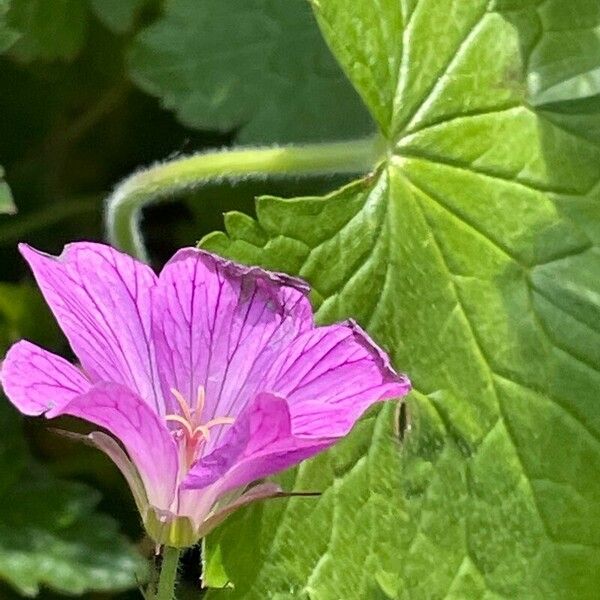
Often called the Oxonian Cranesbill, this charming perennial is the ultimate "garden workhorse." A hybrid born from the union of two European species, it has inherited a rugged constitution and a relentless blooming spirit. Whether you are trying to soften the edge of a stone path or looking for a reliable plant to fill a tricky gap, this Geranium steps up to the task with its dense, mounding foliage and delicate, veined flowers.
🔍 How to Identify
- 🌸 The Bloom: Small, five-petaled flowers that range from soft shell-pink to vibrant magenta. Most varieties feature intricate, darker "veining" that looks like delicate calligraphy on the petals.
- 🍃 The Foliage: Medium-green, deeply lobed leaves that form a thick, carpet-like mound. The leaves are slightly fuzzy to the touch and often remain evergreen in milder winters.
- 🏗️ The Growth Habit: It typically grows in a low, spreading dome. Unlike some leggy perennials, it stays compact and "hugs" the ground, making it an excellent suppressor of weeds.
🏡 In Your Garden
- ✂️ The "Mid-Summer Haircut": This plant is incredibly resilient. If it starts to look a bit floppy or "tired" after its first big flush of flowers in June, you can shear the whole thing back to just a few inches above the ground. It will reward you by sprouting fresh, lush new leaves and a second round of blooms.
- 🌱 The Great Spreader: Because of its vigorous nature, it is fantastic for filling large spaces, but it can be a bit "pushy" with smaller, delicate neighbors. Give it some room to breathe, and it will act as a living mulch, keeping the soil cool and moist.
⚠️ Safety & Toxicity
- ✅ General Safety: Geranium × oxonianum is considered non-toxic to humans and is generally safe to handle without gloves.
- 🐾 Pet Watch: While it is not nearly as concerning as its cousin the Pelargonium (often sold as "annual geraniums"), some pets may experience mild stomach upset if they ingest large quantities. It is best to discourage curious cats or dogs from snacking on the foliage.
✨ Fun Fact
The common name "Cranesbill" refers to the plant's unique seed pods. Once the flower fades, the seed head elongates into a sharp, pointed shape that looks remarkably like the long beak of a crane! When the seeds are ripe, this "beak" acts like a spring-loaded catapult, launching seeds away from the mother plant.

Detailed Care Instructions
To grow Geranium × Oxonianum (commonly known as the Hardy Geranium or the Cranesbill), you can follow these steps:
- Select a suitable location: The plant thrives in full sun to partial shade. Choose a spot that receives at least 4-6 hours of direct sunlight per day. Ensure the soil is well-draining.
- Prepare the soil: Geraniums prefer soil that is fertile and well-drained. You can amend the soil with organic matter like compost before planting to improve drainage and provide nutrients.
- Planting: Dig a hole slightly larger than the root ball of the plant. Place the plant in the hole, ensuring the crown (where the stems meet the roots) is level with the soil surface. Backfill the hole with soil and gently firm it around the plant.
- Watering: After planting, water the geranium thoroughly to settle the soil and eliminate air pockets. Water regularly, especially during periods of prolonged dryness, to keep the soil moist but not waterlogged.
- Mulching: Apply a layer of organic mulch around the plant to help retain moisture and suppress weeds. However, avoid piling the mulch against the stems to prevent rotting.
- Fertilizing: Geraniums generally do not require heavy fertilization. However, you can provide a balanced slow-release fertilizer during the growing season to promote healthy growth. Follow the instructions on the fertilizer package.
- Pruning: Geranium × Oxonianum benefits from regular deadheading, which involves removing faded flowers to encourage more blooms. Additionally, trimming back any leggy growth or crowded stems in late summer or early fall can help maintain a compact shape.
- Winter care: Geranium × Oxonianum is considered a hardy plant, but it may benefit from some protection during harsh winter conditions. Apply a layer of mulch around the plant in fall to insulate the roots. In colder regions, you can cover the plant with a layer of burlap or move potted plants indoors.
With proper care and maintenance, Geranium × Oxonianum plants can produce abundant blooms throughout the growing season and provide color and beauty to your garden.
Geranium × Oxonianum is a perennial plant that requires regular and appropriate watering to thrive. Here are some specific details on watering this plant:
- Watering frequency: Geranium × Oxonianum typically needs to be watered regularly, especially during the hotter months and dry periods. The frequency of watering largely depends on the weather and soil moisture levels. Generally, watering about 1-2 times a week should be sufficient, but adjust according to the plant's needs.
- Soil moisture: Before watering, check the soil moisture by sticking your finger about an inch into the soil. If it feels dry, it's time to water. Avoid overwatering, as excessive moisture can lead to root rot or other water-related issues. On the other hand, do not let the soil dry out completely between watering sessions.
- Watering method: To keep the leaves and flowers dry, which helps prevent diseases, it's recommended to water Geranium × Oxonianum at the base of the plant. Using a watering can or a hose with a gentle, adjustable spray setting can ensure targeted watering. Apply water directly to the soil around the base of the plant, allowing it to soak in slowly and deeply.
- Deep watering: It's important to make sure the water penetrates deep into the root zone. Shallow watering can encourage shallow root growth, making the plant more vulnerable to drought stress. To achieve deep watering, water the plant until you see water starting to seep out from the drainage holes at the bottom of the pot or until the soil feels adequately moistened in garden beds.
- Mulching: Applying a layer of organic mulch around the base of the plant can help retain moisture in the soil, reduce evaporation, and regulate soil temperature. This layer should be about 2-4 inches thick and be careful to keep it a few inches away from the stem to prevent rot.
- Watering in cooler seasons: During cooler seasons or in regions with mild winters, reduce the watering frequency, as the plant's water requirements decrease. Adjust watering based on the moisture needs of the plant, while ensuring not to let the soil dry out completely.
Remember that these guidelines are general and can vary slightly depending on the specific conditions, such as climate, soil type, and location. It's always best to monitor the plant's moisture needs closely and adjust your watering practices accordingly.
To fertilize Geranium × oxonianum:
- Choose a balanced, water-soluble fertilizer with an NPK ratio (nitrogen, phosphorus, potassium) of 10-10-10 or similar.
- Dilute the fertilizer according to the manufacturer's instructions, usually 1 tablespoon per gallon of water.
- Water the soil around the plant thoroughly before applying fertilizer to prevent root burn.
- Slowly pour the diluted fertilizer around the base of the Geranium × oxonianum, avoiding direct contact with the leaves.
- Ensure that the fertilizer is distributed evenly around the plant's root zone.
- Avoid over-fertilizing, as it can cause damage to the plant. Stick to the recommended application rates.
- Repeat the fertilization process every four to six weeks throughout the growing season, typically from spring to early fall.
- Monitor the plant's response to the fertilizer. If leaves become pale or scorched, reduce the amount or frequency of fertilization.
- During the winter dormant period, reduce or cease fertilization as the plant's growth slows down.
- Always follow the specific fertilizer instructions and adjust them according to the plant's needs and your local climate conditions.
Geranium × Oxonianum is a hardy perennial plant that requires well-draining soil for optimal growth. The soil should be moderately fertile and slightly acidic to slightly alkaline with a pH range of around 6.0 to 7.5. It should ideally be loamy or sandy, allowing water to drain freely to prevent waterlogging.
To create an ideal soil mix for Geranium × Oxonianum, it is recommended to combine equal parts of organic compost, such as well-rotted garden compost or leaf mold, with either garden soil or loam. This mixture helps improve the soil structure, drainage, and overall fertility.
Avoid using soil that is heavy or clay-like as it retains water, which can lead to waterlogging and root rot. Additionally, overly sandy soil may not retain enough moisture and nutrients for the plant, requiring more frequent and careful watering.
Adding a layer of mulch on top of the soil surface around the plant helps retain moisture, regulate soil temperature, and suppress weeds. Suitable mulch materials include bark chips, straw, or shredded leaves.
Proper soil preparation is essential before planting Geranium × Oxonianum. It is advisable to amend the soil with the organic compost mixture mentioned earlier to a depth of around 6-8 inches (15-20 cm) to provide a healthy and well-drained growing environment for the plant.
Regular monitoring of soil moisture levels and adjusting watering accordingly is crucial in maintaining the plant's health. Overwatering should be avoided as it can lead to root rot and other fungal diseases, while underwatering can stress the plant.
Overall, providing well-draining, moderately fertile soil that is slightly acidic to slightly alkaline is key to cultivating healthy and thriving Geranium × Oxonianum plants.
Geranium × Oxonianum is a perennial herbaceous plant that belongs to the Geraniaceae family. It is commonly propagated through various methods such as division, stem cuttings, and seed sowing. Here is a detailed description of how to propagate Geranium × Oxonianum without using its common names:
- Division: One of the simplest methods of propagation for Geranium × Oxonianum is division. Follow these steps to propagate the plant through division:
a. Prepare the soil: Choose a well-draining soil enriched with organic matter.
b. Locate the base: Identify the base of the plant where new shoots emerge.
c. Dig up the plant: Gently dig up the entire plant using a garden fork or shovel.
d. Separate the clumps: Divide the clumps of the plant by carefully pulling them apart. Each clump should have its own set of roots and shoots.
e. Replant: Plant the divided clumps in separate locations, ensuring adequate spacing between them.
f. Water and care: Water the newly planted divisions thoroughly and provide regular care to promote healthy growth.
- Stem Cuttings: Another effective method of propagating Geranium × Oxonianum is through stem cuttings. Follow these steps to propagate the plant using stem cuttings:
a. Select a healthy stem: Choose a non-flowering stem that is mature but not woody.
b. Make a cutting: Using clean secateurs or a sharp knife, cut a 4-6 inch (10-15 cm) section of the stem. Ensure that the cutting has at least 2-3 pairs of leaves.
c. Remove leaves: Trim off the lower leaves, leaving only a few near the tip of the cutting.
d. Rooting hormone (optional): Dip the cut end of the stem into a rooting hormone powder or gel to enhance root development.
e. Plant the cutting: Insert the lower end of the cutting into a well-draining rooting medium, such as a mixture of peat moss and perlite.
f. Provide appropriate conditions: Place the cutting in a warm location with indirect sunlight. Keep the soil consistently moist but not waterlogged.
g. Root development: Within a few weeks, roots will start to develop. You can gently tug on the cutting to check for resistance, indicating root growth.
h. Transplant: Once the cutting has developed a healthy root system, carefully transplant it into a larger pot or directly into the garden soil.
- Seed Sowing: Although slightly more time-consuming, Geranium × Oxonianum can also be propagated from seeds. Here is a step-by-step process for seed propagation:
a. Collect seeds: Collect mature seeds from the plant or purchase them from a reliable seed supplier.
b. Prepare the soil: Fill seed trays or pots with a well-draining soil mix.
c. Sow the seeds: Sprinkle the Geranium × Oxonianum seeds evenly on the soil surface. Lightly press them into the soil using a finger or a small tool.
d. Cover the seeds: Scatter a thin layer of soil or vermiculite over the seeds to cover them.
e. Mist and water: Use a fine mist spray to moisten the soil surface without drenching it. Water regularly to keep the soil consistently moist.
f. Germination: Place the trays or pots in a warm and bright location, ideally with temperatures between 60-70°F (15-21°C). Germination usually occurs within 2-3 weeks.
g. Transplant seedlings: Once the seedlings have developed a few sets of true leaves and are large enough to handle, carefully transplant them into individual pots or separate locations in the garden.
h. Provide appropriate care: Water the seedlings regularly, provide them with sufficient sunlight, and protect them from extreme temperatures.
Following these propagation methods can help you successfully propagate Geranium × Oxonianum and expand your garden with these beautiful perennial plants.








