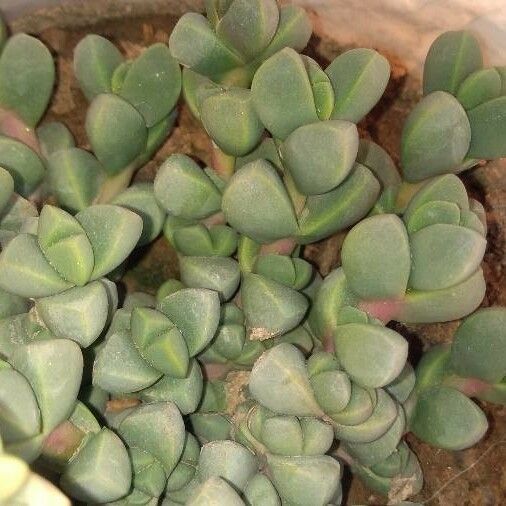
Plant Overview
Often called the "Shark’s Mouth" or "Finger and Thumb," Gibbaeum petrense is a master of disguise hailing from the arid Little Karoo region of South Africa. This tiny, clumping succulent grows in dense, pebble-like mats that blend perfectly into rocky terrain to avoid being eaten by thirsty animals. It is a prized "living stone" for collectors who enjoy plants that look more like geological formations than living greenery.
🔍 How to Identify
- 🦈 Asymmetric Leaves: Each growth point consists of a pair of fleshy leaves of unequal length, pressed together to look like a tiny snapping mouth or a thumb and finger.
- 🌫️ Chalk-Silvery Skin: The surface is smooth and matte with a pale, silvery-gray or seafoam-green tint, which acts as a natural sunscreen against the harsh desert sun.
- 🌸 Magenta Blooms: Despite its stony appearance, it produces surprisingly large, daisy-like flowers in vibrant shades of pink or purple during late winter.
🏡 In Your Garden
- 🪨 Grit is Vital: In the wild, these plants grow in quartz-filled crevices. To keep them happy at home, use a soil mix that is at least 70% mineral (pumice, perlite, or lava rock) to ensure water drains away instantly.
- 💧 The "Thirst" Cues: Unlike most plants, you should wait for the leaves to slightly wrinkle before watering. If the plant looks plump, it has plenty of internal reserves. Overwatering will cause the leaves to "burst" or rot.
⚠️ Safety & Toxicity
- 🐾 Non-Toxic: Gibbaeum petrense is generally considered safe and non-toxic for cats, dogs, and curious children.
- 🌱 Fragile Roots: While the leaves are tough, the root system is incredibly fine and delicate. Avoid frequent repotting, as the "Shark's Mouth" can be quite grumpy and slow to recover if its feet are disturbed.
✨ Fun Fact
The genus name Gibbaeum comes from the Latin word gibba, which means "hump." This refers to the characteristic lopsided, hunched-over shape of the leaf pairs that makes them look like they are leaning into the wind!

Detailed Care Instructions
To grow Gibbaeum petrense plant, also known as the gibbaeum rock plant, you can follow these steps:
- Climate: Gibbaeum petrense plants thrive in warm climates and are well-suited for indoor cultivation. They prefer temperatures between 70-80°F (21-27°C) during the day and slightly cooler temperatures at night.
- Light: Gibbaeum petrense plants require bright, indirect light to grow well. Place them near a south-facing window or use fluorescent grow lights if you don't have sufficient sunlight.
- Soil: Use a well-draining soil mix for succulent plants or create your own by combining equal parts of potting soil, perlite, and coarse sand. This ensures proper drainage and prevents the plant from sitting in water.
- Potting: Choose a shallow pot or dish that has drainage holes to prevent waterlogging. Gibbaeum petrense plants have shallow roots, so they don't require deep containers.
- Watering: Water the plant sparingly, allowing the soil to dry out between waterings. Overwatering may lead to root rot. During the winter months, when the plant is dormant, you can reduce watering frequency even further.
- Humidity: Gibbaeum petrense plants do not require high humidity levels and can tolerate dry air conditions.
- Fertilization: Fertilize the plant sparingly during the growing season, which is typically spring and summer, using a diluted succulent or cactus fertilizer. Follow the instructions on the fertilizer packaging for proper dilution.
- Propagation: Propagate Gibbaeum petrense plants through leaf cuttings. Gently remove a healthy leaf from the plant, wait for the cut to callous over for a few days, and then place it on top of well-draining soil. Ensure the leaf makes contact with the soil and mist it occasionally to keep it hydrated. After a few weeks, tiny plantlets should emerge from the base of the leaf.
- Maintenance: Regularly remove any dead or dying leaves to prevent fungal infections. Avoid excessive handling of the plant, as it can cause damage.
- Pests and diseases: Gibbaeum petrense plants are generally resistant to pests and diseases. However, they may occasionally suffer from mealybugs or fungal issues. Treat any infestations promptly with an appropriate pesticide or fungicide.
By following these guidelines, you can successfully grow Gibbaeum petrense plants as beautiful and interesting additions to your indoor succulent collection.

Place in a bright room that is sun drenched almost all day. Or directly in a south-facing window.
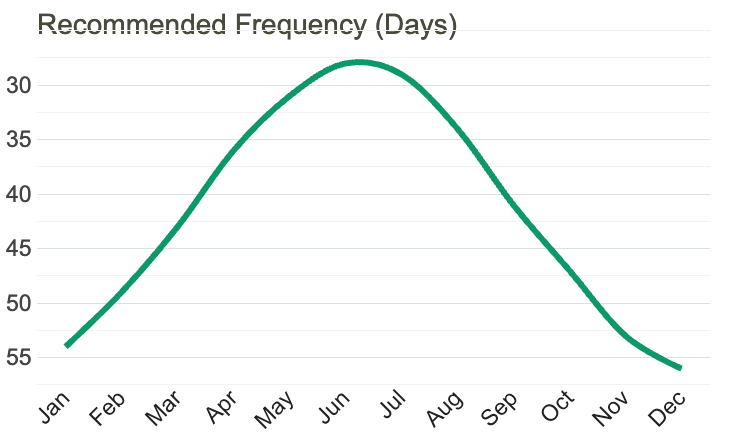
The watering of Gibbaeum Petrense plants should be done with care and attention in order to maintain their health and vitality. Firstly, it is important to use a well-draining soil mix that allows excess water to drain away from the roots, as these plants are susceptible to root rot. The soil should be moist but not waterlogged.
One way to avoid overwatering is to wait until the soil is almost completely dry before watering again. When watering, gently pour water onto the soil, being careful not to splash water onto the leaves or stem. It is important not to let the plant sit in a saucer of water, as this can cause root rot.
In the summer months, when the plant is actively growing and flowering, it may require more frequent watering, but in the winter it may need less. A good way to test whether the plant needs water is to stick your finger into the soil about an inch deep. If it feels dry, then the plant is ready for watering.
Overall, watering Gibbaeum Petrense plants requires careful attention to the amount and frequency of watering. With proper care, these plants can thrive and produce beautiful flowers.
To fertilize this succulent plant, mix a balanced fertilizer with water according to package instructions. Apply the fertilizer solution to the soil around the base of the plant. Do this once a month during the growing season, which typically begins in spring and ends in fall. Make sure to water the plant thoroughly before and after fertilizing to prevent fertilizer burn. Avoid getting fertilizer on the leaves or stem of the plant, as it may cause damage.
Gibbaeum petrense plants require a well-draining soil mix that is rich in organic matter. The soil should be slightly acidic to neutral with a pH range of 6.0 to 7.0. A soil mix that is specifically designed for cacti and succulents is suitable for Gibbaeum petrense plants. It should be sandy and gritty, with a texture that allows water to drain quickly. Adding coarse sand, perlite or pumice to regular potting soil can improve drainage and aeration. The soil should also be free of pests and diseases. Remember to water the plant sparingly and allow the soil to dry out before watering again.
To propagate this plant, you will need to carefully remove one or more healthy stems or leaves from the mother plant. Make sure to handle the plant gently and avoid damaging any of its delicate parts. Next, allow the cutting to dry out for a few days until a callus forms at the cut end. Once the callus has formed, plant the cutting in a well-draining soil mix and place it in a bright, sunny location. Water the cutting sparingly, only when the soil has completely dried out. With proper care, the cutting should take root within a few weeks and start to develop new growth.








