Plant Overview
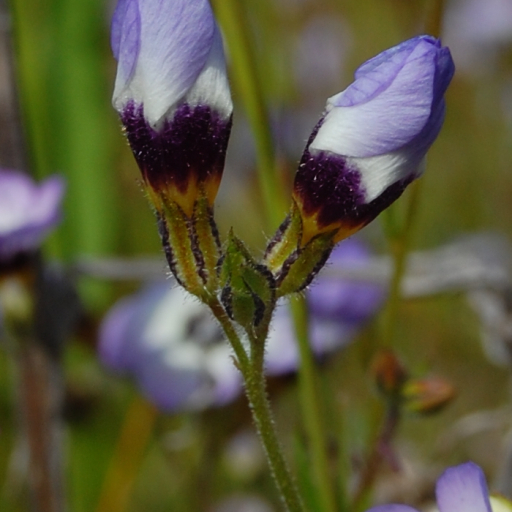
Often called the Bird's-Eye Gilia, this California native is a show-stopping wildflower that looks like it belongs in a fairytale. Its name comes from the striking "eyes" at the center of each blossom, which serve as a vivid bullseye for passing pollinators. Easy to grow and incredibly charming, it’s a favorite for those looking to add a touch of "organized wildness" to their landscape.
🔍 How to Identify
- 👁️ The "Eye": Each trumpet-shaped flower features five lavender-to-blue petals with a white-and-yellow throat, marked by five deep purple spots that create the "bird's eye" effect.
- 🌿 Lacy Foliage: The leaves are finely divided and fern-like, giving the base of the plant a soft, airy texture that contrasts beautifully with its bright blooms.
- 💙 Electric Pollen: If you look closely at the stamens, you’ll notice the pollen is often a brilliant, unnatural-looking blue—a rare treat in the botanical world.
🏡 In Your Garden
- 🦋 Pollinator Party: This plant is a magnet for native bees and butterflies. Because it is a drought-tolerant annual, it’s perfect for xeriscaping or rock gardens where it can bask in the full sun.
- 🌱 The "One-and-Done" Gardener: While the plant dies back after the season ends, it is a prolific self-seeder. If you leave the spent flowers alone, they will drop seeds that sprout into a fresh carpet of flowers the following spring without any help from you.
⚠️ Safety & Toxicity
- ✅ Safe Status: Gilia tricolor is generally considered non-toxic to humans, dogs, and cats.
- 🧤 Garden Hygiene: While it isn't poisonous, the stems can sometimes be slightly sticky or resinous. If you have sensitive skin, you might want to wear gloves when handling large quantities to avoid minor irritation.
✨ Fun Fact
Lean in for a sniff! Many gardeners swear that on a warm, sunny afternoon, the Bird's-Eye Gilia gives off a distinct and delightful scent of chocolate mixed with sweet spring air.

Detailed Care Instructions
To grow Gilia Tricolor plants, you can follow these steps:
- Choose the right location: Gilia Tricolor plants thrive in full sun to partial shade. Make sure the location receives at least 6 hours of direct sunlight per day.
- Prepare the soil: Gilia Tricolor plants prefer well-draining soil. Amend your soil with organic matter such as compost or aged manure to improve its drainage and fertility. Remove any weeds or grass from the planting area.
- Sow the seeds: Gilia Tricolor seeds are very small, so it is best to mix them with sand or vermiculite before sowing to help distribute them evenly. Scatter the seeds on the prepared soil and lightly press them into the soil. Do not cover the seeds with a thick layer of soil because they require light to germinate.
- Watering: After sowing the seeds, water the soil gently to keep it moist but avoid overwatering. Gilia Tricolor plants are drought tolerant once established, but they require regular watering until they are fully established.
- Care: Once the plants start growing, thin them to a spacing of about 6 to 8 inches apart to allow for proper air circulation and growth. Water the plants deeply whenever the soil feels dry, but make sure not to waterlog the soil.
- Maintenance: Gilia Tricolor plants generally do not require much maintenance. However, you can deadhead the flowers after they fade to promote continuous blooming. Additionally, remove any weeds that may compete with the plants for nutrients and space.
- Pests and diseases: Gilia Tricolor plants are relatively resistant to pests and diseases. However, they may occasionally be attacked by aphids or spider mites. Monitor the plants regularly, and if you notice any pests, treat them with a mild insecticidal soap or organic pesticide according to the manufacturer's instructions.
- Harvesting seeds: Gilia Tricolor plants produce seeds once the flowers dry up. Allow the seeds to fully mature on the plant before harvesting. Collect the seeds by gently shaking or cutting the seedheads and storing them in a cool, dry place in a labeled envelope.
By following these steps, you can successfully grow Gilia Tricolor plants in your garden or outdoor space. Enjoy the beautiful flowers they produce!

Place in a bright room that is sun drenched almost all day. Or directly in a south-facing window.

To water this plant, make sure to first check the soil moisture level before watering. Stick a finger about two inches into the soil and if it feels dry, it's time to water. When watering, pour water directly onto the soil and avoid getting the leaves or flowers wet. Water deeply enough to saturate the roots, but allow the soil to drain and avoid leaving it sitting in standing water. Depending on the climate and season, this plant may need to be watered anywhere from once a week to every other day.
To fertilize the plant, first ensure that the soil is moist but not waterlogged. Apply a balanced, slow-release fertilizer to the soil around the plant during the growing season. Follow the manufacturer's instructions for application rates. Avoid getting fertilizer on the leaves or stems of the plant, as this can cause burning or damage. Water the plant after fertilizing to help the nutrients get absorbed into the soil.
The ideal soil for growing this plant should be well-draining and slightly acidic with a pH range between 5.5-6.5. It should also have good moisture retention properties to ensure that the soil stays moist but not waterlogged. A mixture of peat moss, perlite, and vermiculite is recommended to achieve the desired soil texture and drainage. Additionally, adding compost or organic matter to the soil can also help improve its fertility and provide essential nutrients required by the plant for optimum growth and development.
To propagate this plant, you can collect its seeds in the late summer or early fall. Choose mature seed pods that have turned brown and are starting to split open. Gently shake the pods over a container to collect the seeds.
Alternatively, you can take stem cuttings from the plant in the spring or early summer. Choose young, healthy stems and cut them into 4-6 inch lengths. Strip off the lower leaves and dip the cut ends into rooting hormone. Plant the cuttings in a well-draining soil mix and keep them moist until roots develop.
Finally, you can divide mature plants in the spring or fall. Carefully dig up the plant and separate the roots into smaller clumps. Replant the clumps in well-draining soil and water them thoroughly.








