Plant Overview
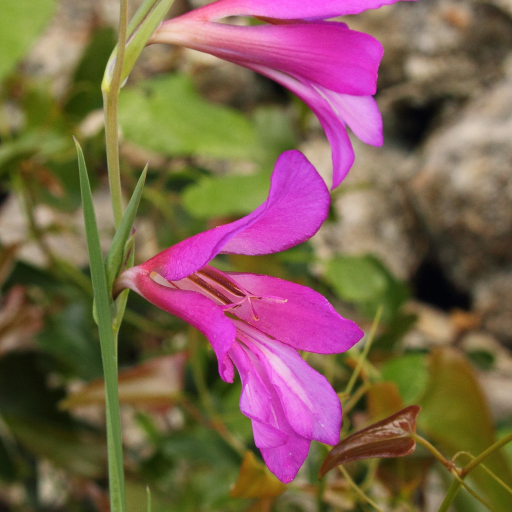
Often called the "Wild Gladiolus" or the "Illyrian Sword Lily," this graceful Mediterranean native brings a touch of ancient elegance to meadows and rocky hillsides. Unlike the heavy, oversized hybrid gladioli often found in floral shops, Gladiolus illyricus is slender, airy, and carries the wild spirit of the sun-drenched coastlines of Southern Europe.
🔍 How to Identify
- 🌸 Floral Spike: Slender, upright stems holding 3 to 10 funnel-shaped flowers, which are uniquely arranged mostly on one side of the stalk.
- 🎨 Vibrant Hue: The petals are a rich magenta or pinkish-purple, often featuring delicate white "whisker" streaks in the center that act as landing lights for bees.
- 🗡️ Sword Leaves: True to its name, the plant produces narrow, grey-green leaves that stand tall and sharp, resembling the blade of a Roman sword.
🏡 In Your Garden
- ☀️ Sun Seeker: This plant thrives in "hot spots." It loves baking in the sun during the summer, which helps the underground corm (a bulb-like structure) store enough energy for the following year.
- 🏜️ Drainage is Key: In the wild, it grows in rocky, well-drained soil. In a garden setting, it will rot if kept in "wet feet" over the winter, so sandy or gritty soil is a must.
- 🌬️ Natural Movement: Because it is more delicate than garden hybrids, it rarely needs staking. It is best planted in groups where it can sway naturally among tall grasses or perennials.
⚠️ Safety & Toxicity
- 🐾 Toxic to Pets: Like most members of the Iris family, the Wild Gladiolus contains systemic toxins (primarily iridin) that are harmful to dogs, cats, and horses.
- 🚫 Corm Caution: The highest concentration of toxins is found in the underground corm. Ensure that "digging" pets or curious toddlers don't have access to the planting site, as ingestion can cause drooling, lethargy, and digestive upset.
✨ Fun Fact
The name Gladiolus comes from the Latin word "gladius," meaning sword. In Ancient Rome, this flower was closely associated with gladiators; it was said that some fighters wore gladiolus corms as amulets around their necks to protect them from injury and grant them victory in the arena.

Detailed Care Instructions
To grow Gladiolus Illyricus, also known as Illyrian gladiolus, follow these steps:
- Choose a suitable planting location: Select a site that receives full sunlight for at least 6-8 hours a day. The soil should be well-draining and fertile.
- Prepare the soil: Loosen the soil to a depth of 12-15 inches. Remove any weeds, rocks, or debris. Add organic matter like compost or well-rotted manure to improve fertility and drainage.
- Planting bulbs: Plant the gladiolus bulbs, also called corms, in early spring, after the last frost has passed. Dig holes around 6 inches apart and bury the corms about 4–6 inches deep, with the pointed end facing upward. Space rows about 12-18 inches apart.
- Watering: After planting, water the bulbs thoroughly. Continue to water regularly to keep the soil moist but not waterlogged, especially during dry periods. Adequate water is essential for bulb and flower development.
- Fertilization: Fertilize the plants every 2-3 weeks during the growing season with a balanced granular fertilizer or a liquid fertilizer. Follow the package instructions for proper dosage and application.
- Mulching: Apply a layer of mulch around the plants to retain moisture, suppress weeds, and regulate soil temperature. Organic mulch such as straw, wood chips, or shredded leaves works well.
- Staking: As the plants grow, they might require staking to support the long stems and prevent them from bending or falling over. Install stakes or grow-through supports near the bulbs at the time of planting to avoid damaging the corms later.
- Deadheading: After the flowers fade, remove the spent blooms to encourage further blooming and prevent the plant from putting energy into seed production. Cut the stalk just above the first or second lower buds.
- Overwintering: In areas with mild winters, you can leave the gladiolus corms in the ground. However, if you live in a region with harsh winters, especially with freezing temperatures, carefully dig up the corms in autumn after the foliage has died back. Clean off excess soil, let them dry, and store in a cool, dry, and dark place until spring.
Remember to consult regional gardening guides or local experts for specific care instructions tailored to your climate and growing conditions.

Place in a bright room that is sun drenched almost all day. Or directly in a south-facing window.

To water this particular plant, it is important to first plant it in well-draining soil that is slightly acidic. The best way to water is to deeply saturate the soil around the roots, then allow the top inch of soil to dry out before watering again. It is important not to overwater and to avoid splashing water onto the leaves to prevent the development of fungal diseases. During hot and dry weather, the plant may require more frequent watering. Using a layer of organic mulch around the base of the plant can help retain moisture in the soil.
To properly fertilize this plant, apply a balanced fertilizer with an N-P-K ratio of 10-10-10 once every 2-3 weeks during the growing season. Mix the fertilizer with water and apply it directly to the soil around the base of the plant, being careful not to get any on the leaves or flowers. Water the plant thoroughly after fertilizing to help distribute the nutrients throughout the soil. During the dormant season, do not fertilize the plant.
Gladiolus Illyricus requires a well-drained and fertile soil with a pH level of around 6.0 to 7.0. It prefers a sandy to loamy soil that is rich in organic matter and is slightly acidic to neutral in nature. The soil should be able to hold moisture well but also allow for good drainage to prevent waterlogging and rotting of the roots. It is recommended to add compost or well-rotted manure to the soil before planting to improve its fertility and texture. Additionally, adding a balanced fertilizer or a slow-release fertilizer during the growing season can help provide the necessary nutrients for healthy growth and blooming.
To propagate this plant, you will need to wait until the plant has finished blooming and the flowers have wilted. Then, you can carefully dig up the plant and divide the corms by separating them from the main plant. Be sure to use a sharp, clean knife or gardening shears to make clean cuts. Each corm should have at least one healthy shoot or bud.
Next, prepare your planting area by mixing well-draining soil with organic compost or fertilizer. Dig small holes about 4-6 inches apart and place each corm with the shoot facing up. Cover them with soil, water thoroughly and keep the area moist until new growth appears.
It is important to note that this plant prefers full sun and well-draining soil, so make sure to choose a planting location that fits these requirements. With proper care and attention, the newly propagated plants should flower again in the next growing season.








