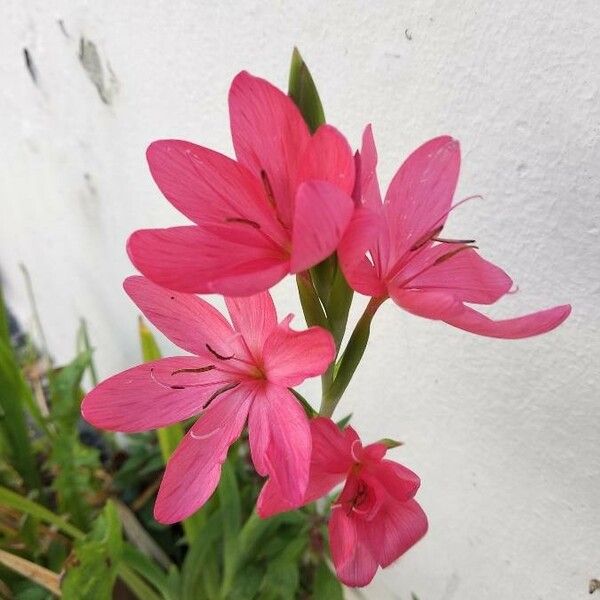
Plant Overview
Known as the Large Brown Afrikaner, Gladiolus liliaceus is the true "chameleon" of the botanical world. Native to South Africa, this fascinating species is famous for its dramatic evening transformation that seems almost supernatural. While it appears modest and earthy during the day, it "wakes up" at dusk to put on a sensory show for its nocturnal visitors.
🔍 How to Identify
- 🎨 Chameleon Petals: During the daylight hours, the flowers are a dull, rusty brown or maroon. As evening approaches, they physically change color, fading into a ghostly pale mauve or steely blue.
- ⚔️ Sword-Sized Foliage: True to the name Gladiolus (Latin for "little sword"), it features narrow, upright, sword-shaped leaves with prominent midribs.
- 🔔 Nodding Blooms: The flowers are large and funnel-shaped, usually hanging slightly downward on a slender, wiry stem that can reach up to 2 feet in height.
🏡 In Your Garden
- 💤 The Summer Nap: This is a winter-growing plant that goes completely dormant in the heat of summer. Do not be tempted to overwater when the leaves turn brown in July; the corm needs to stay dry to survive its "sleep."
- 🌬️ Scented Nightlife: Unlike many modern Gladiolus hybrids that have lost their scent, this species releases a powerful, spicy fragrance reminiscent of cloves or carnations once the sun goes down. Plant it near a patio or bedroom window to enjoy the evening perfume.
⚠️ Safety & Toxicity
- 🐾 Mildly Toxic: Like most members of the Iridaceae family, the corms (bulbs) are the most concentrated source of toxins. If ingested by dogs or cats, they can cause lethargy, drooling, and digestive upset.
- 🧤 Skin Sensitivity: Some gardeners find the sap from crushed stems can cause minor skin irritation. It is best to wear gloves if you are cutting them for a vase.
✨ Fun Fact
The color change isn't just for show—it is a survival strategy. Since the plant is pollinated by night-flying Hawk Moths, it "fades" to a lighter color at night to become more visible in the moonlight, acting as a glowing biological beacon!

Detailed Care Instructions
To grow Gladiolus Liliaceus plants, follow these steps:
- Choose the right location: Select a sunny spot in your garden or yard that receives at least 6-8 hours of direct sunlight every day. Gladiolus Liliaceus plants thrive in full sun.
- Prepare the soil: Make sure the soil is well-draining and fertile. Add organic matter like compost or well-rotted manure to improve the soil's fertility and drainage. Gladiolus Liliaceus plants prefer slightly acidic to neutral soil with a pH level of 6.0 to 7.0.
- Planting: In early spring, when the soil has warmed up and there is no risk of frost, plant Gladiolus Liliaceus corms. Dig holes that are about 4 to 6 inches deep and spaced 6 to 8 inches apart. Place the corms with the pointed side facing up and cover them with soil.
- Watering: After planting, water thoroughly to settle the soil and promote root establishment. Keep the soil moist but not waterlogged throughout the growing season. Water deeply once or twice a week, depending on the weather and soil moisture levels.
- Fertilizing: Apply a balanced fertilizer to the soil before planting, following the package instructions. During the growing season, use a low-nitrogen, high-phosphorus fertilizer every 4-6 weeks to promote healthy growth and flower production.
- Staking: Gladiolus Liliaceus plants can grow quite tall, so it's essential to stake them for support. Insert stakes around the planted corms, or use a tomato cage or other support structure to prevent the flowers from falling over.
- Mulching: Apply a layer of organic mulch, like straw or wood chips, around the plants to help conserve moisture, suppress weed growth, and regulate soil temperature.
- Pests and diseases: Watch out for common pests like aphids, thrips, and mites. Monitor your plants regularly, and if necessary, treat with organic insecticides or natural remedies. Gladiolus plants can also be susceptible to fungal diseases like botrytis blight. Avoid over-watering, provide good airflow, and remove any infected or dead plant material promptly.
- Flower care: As the Gladiolus Liliaceus plants develop flower spikes, you can provide additional support by tying the stems to the stakes. Remove spent flowers to promote continuous blooming and prevent seed development. Once all the flowers have faded, allow the foliage to die back naturally to allow the corms to store energy for next year's growth.
By following these steps, you can successfully grow Gladiolus Liliaceus plants and enjoy their beautiful blooms in your garden.

Place in a bright room that is sun drenched almost all day. Or directly in a south-facing window.

To water this plant, ensure that it is placed in soil that drains well. Water the plant deeply but infrequently, allowing the soil to dry out slightly between each watering to avoid overwatering. Check the top few inches of soil before watering to make sure it is dry, and then water the plant until the soil is fully saturated. Avoid getting the foliage or flowers wet when watering to prevent fungal growth. It is also important to water this plant at the base rather than from above to prevent damage to the delicate flowers.
To properly fertilize this plant, it is important to use a fertilizer that is specifically formulated for bulbs and rhizomes. The best time to fertilize is before planting, mixing the fertilizer into the soil or planting medium. During the growing season, it is recommended to use a balanced fertilizer once a month. Be careful not to over-fertilize, as this can lead to excessive foliage growth and poor flower production. Additionally, it is important to water the plant well before and after fertilizing to prevent burning of the roots.
The ideal soil for Gladiolus Liliaceus plant should be well-draining but moisture-retentive. It should have a pH level of 6.0 to 7.5, with the ability to hold nutrients necessary for healthy growth. The soil should be rich in organic matter, with a texture that allows for proper root development. The plant prefers sandy loam soil that is light and crumbly, and it doesn't tolerate compacted or heavy soils. It is important to avoid soils that are too acidic or alkaline, saline, or prone to waterlogging. Adding compost and other organic matter to the soil can help improve its fertility and texture, enhancing the plant's growth and blooming.
To propagate this plant, you will first need to carefully dig up the corms from the soil. Once you have the corms, you will need to remove any dead or damaged parts and then gently separate them into individual pieces, making sure each piece has a growing point and a healthy root system.
These corms can then be planted in a well-draining soil mix in a pot or directly in the ground. Place them in an area with bright, indirect sunlight and keep the soil consistently moist but not waterlogged.
Within a few weeks, new growth should appear from the corms, indicating successful propagation. With proper care and regular fertilization, these new plants will eventually produce their own corms, creating a beautiful and sustainable population of plants.








