Plant Overview
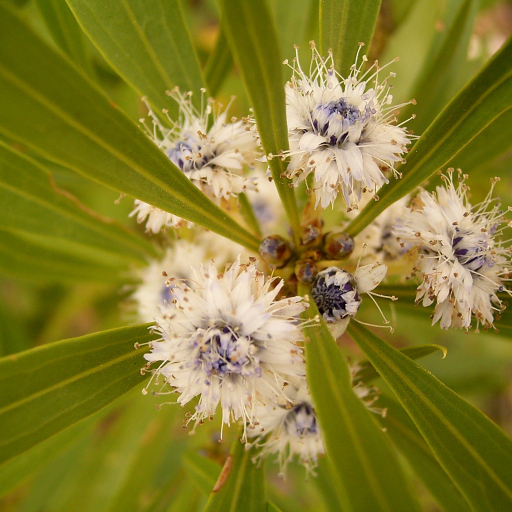
Known as the Willow-leaved Globe Daisy, this resilient evergreen shrub is a botanical treasure from the Macaronesian islands, including the Canaries and Madeira. Unlike its low-creeping cousins found in the Alps, Globularia salicina stands tall, offering a unique architectural look with its dense, spherical blue "pom-pom" flowers that look like miniature planets orbiting a leafy galaxy.
🔍 How to Identify
- 🌿 The Foliage: Long, narrow, and glossy dark-green leaves that closely resemble those of a willow tree, which gives the plant its name (salicina).
- 🔮 The Blooms: Perfectly spherical flower heads (capitula) composed of dozens of tiny, pale blue to lilac tubular flowers.
- 🪵 Growth Habit: A woody, upright shrub that can reach up to 1 meter in height, creating a bushy, rounded silhouette.
🏡 In Your Garden
- 🌊 Coastal Warrior: This plant is naturally adapted to salt spray and rocky cliffs. It is an excellent choice for seaside gardens where harsh winds and salt air might wither more delicate species.
- ☀️ The "Dry Feet" Rule: While it loves the sun, it absolutely hates "wet feet." It requires exceptionally well-draining soil—ideally a mix of grit and loam—to mimic its native volcanic slopes. Overwatering, especially in the winter, is the most common cause of failure.
- ✂️ Pruning Nuance: It benefits from a light trim after flowering to maintain its globose shape and prevent the center from becoming too woody or leggy.
⚠️ Safety & Toxicity
- ✅ Status: Generally considered non-toxic.
- 🐾 Pets & Kids: There are no recorded reports of high toxicity for cats, dogs, or humans. However, as it is an ornamental plant and not a culinary herb, it is best kept away from curious nibblers to avoid mild stomach upset.
✨ Fun Fact
In its native habitat on the Canary Islands, Globularia salicina is a "pioneer species." It is one of the brave plants capable of colonizing harsh, vertical volcanic rock faces where almost nothing else can grow, eventually creating pockets of soil for other plants to follow!

Detailed Care Instructions
To grow Globularia Salicina, also known as Willow Globe Daisy, follow these steps:
- Select an appropriate location: Willow Globe Daisy prefers full sun but can tolerate partial shade. Choose a well-draining location in your garden with loose, fertile soil.
- Prepare the soil: Enhance the soil quality by adding organic matter, such as compost or well-rotted manure, to improve drainage and fertility. Remove any weeds or grass from the planting area.
- Sowing seeds: You can start your Willow Globe Daisy from seeds, which can be sown directly into the ground in the spring or fall. Lightly press the seeds into the soil, ensuring they are in good contact with the ground. Water the area gently to moisten the soil.
- Watering: Keep the soil consistently moist, but not waterlogged, during the germination period. Once established, the plant can handle drought conditions, but regular watering during dry spells is still beneficial.
- Transplanting seedlings: If you want to start growing Willow Globe Daisy indoors, sow the seeds in seed-starting trays or pots filled with a well-draining potting mix. Transplant the young seedlings to the garden once they have grown to a suitable size and after the last frost date.
- Mulching: Applying a layer of organic mulch, such as wood chips or straw, can help retain moisture in the soil and suppress weeds.
- Maintenance: Prune back the plant after flowering to encourage bushier growth and extend the plant's lifespan. This will also help prevent it from becoming leggy or woody.
- Pests and diseases: Willow Globe Daisy is generally pest and disease resistant. However, keep an eye out for common garden pests like aphids or slugs. If necessary, treat infestations with the appropriate organic pest control methods.
- Division: Over time, Willow Globe Daisy can become crowded. To rejuvenate the plant, you can dig up the clumps and divide them every few years, ideally in early spring or fall.
Remember to check your specific growing zone for the optimum time to sow or transplant Willow Globe Daisy in your area.
The recommended way to water this plant is to give it a thorough soaking, allowing the water to penetrate the soil deeply. It is important to ensure that the soil is well-draining and does not become waterlogged. Watering should be done when the top inch of soil has dried out, but not allowed to fully dry out. Careful attention should be given to avoid getting water on the leaves or allowing the plant to sit in standing water, as this can lead to fungal diseases. It is also important to avoid over-watering, as this can cause root rot.
To fertilize this plant, you should apply a slow-release, balanced fertilizer in early spring. Use a granular fertilizer and apply it at half the recommended strength. Spread it evenly around the plant and water in thoroughly. Avoid fertilizing during the hotter months as it may cause damage to the plant. If the plant is not responding well to fertilization, you may need to adjust the type or frequency of application until you find the right balance for your specific plant.
The ideal soil for this plant should be a well-draining, sandy loam with a pH range of 6.0 to 7.5. It should be rich in organic matter, but not too heavy, as the plant prefers a lighter soil. Avoid using soils that are heavy in clay, as this can lead to waterlogged roots and poor plant growth. It's recommended to mix in some coarse sand or perlite to the soil to improve drainage. Additionally, the plant prefers a slightly alkaline soil, so you may need to add some lime if your soil is acidic.
One method to propagate this plant is by using stem cuttings. Locate a healthy stem of the plant and cut it at a diagonal angle with a sterile sharp blade. Remove the leaves from the lower half of the stem and dip the cut end of the stem in rooting hormone. Plant the stem in a pot filled with moist potting soil and cover the pot with a clear plastic bag to create a mini greenhouse. Keep the soil moist and place the pot in a bright location but out of direct sunlight. Rooting should occur within a few weeks, and once rooted, the young plant can be transplanted to its permanent location.








