Plant Overview
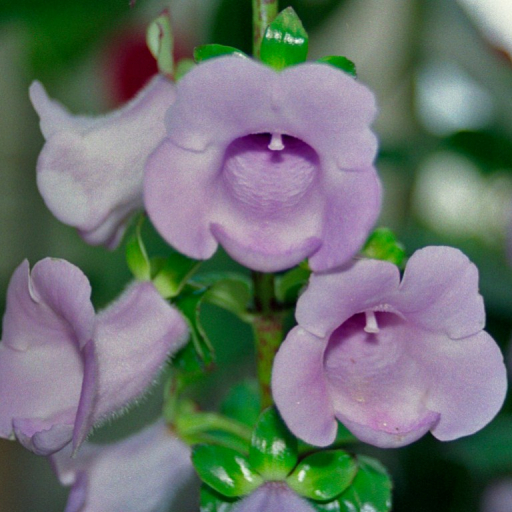
Often called the "Canterbury Bells" of the tropical world, Gloxinia perennis is a vintage favorite that has graced conservatories for centuries. Originally hailing from the moist forests of Central and South America, this perennial is beloved for its nodding, bell-shaped blooms and its surprising, refreshing minty fragrance. Unlike the common florist’s Gloxinia, this species is a tall, elegant wanderer that grows from unique, scaly underground rhizomes.
🔍 How to Identify
- 🔔 The Flowers: Large, drooping bells that range from pale lavender to deep violet. If you look closely inside the "throat," you’ll often see delicate spotting and a soft, velvety texture.
- 🍃 The Foliage: Heart-shaped (cordate) leaves with a distinct glossy sheen on top and often a dramatic burgundy or reddish tint on the undersides. The edges are lightly toothed.
- 📏 Growth Habit: This isn't a tiny windowsill plant; it can reach up to three feet in height. The stems are thick, succulent, and sometimes feature reddish mottling.
🏡 In Your Garden
- 💧 Thirst for Humidity: Because of its rainforest heritage, this plant craves high humidity. If the air is too dry, the leaf edges may turn crispy brown. It thrives best in a "bright shade" spot where the harsh afternoon sun won't scorch its lush leaves.
- 😴 The Winter Nap: Don't be alarmed if the plant dies back completely in the winter. It grows from scaly rhizomes (which look a bit like tiny pinecones) buried in the soil. During its dormancy, stop watering almost entirely until new green shoots peek through in the spring.
- 🌱 Soil Secrets: It hates "wet feet." Use a light, airy peat-based mix that allows water to flow through freely, as the rhizomes are prone to rotting if kept in heavy, soggy mud.
⚠️ Safety & Toxicity
- ✅ Status: Non-toxic and safe.
- 🐾 Details: Gloxinia perennis is generally considered non-toxic to cats, dogs, and humans. It is a member of the Gesneriad family (relatives of African Violets), making it a safe choice for households with curious pets. However, ingesting any plant material can cause mild stomach upset in animals, so it's still best kept out of reach.
✨ Fun Fact
While most flowers use sweet or musky scents to attract bees, Gloxinia perennis produces a distinct minty or menthol-like aroma. It is specifically designed to attract male orchid bees, who collect the fragrant oils to use as "perfume" to attract their own mates!

Detailed Care Instructions
To successfully grow Gloxinia Perennis plants, follow these steps:
- Choose the right location: Gloxinia Perennis plants require bright but indirect sunlight. Avoid placing them in direct sunlight as it can scorch the leaves. Choose a spot with a temperature range of 60-75°F (15-24°C).
- Prepare the soil: Gloxinia Perennis plants prefer well-draining soil. Mix equal parts of potting soil, peat moss, and perlite to create a light and airy soil mixture.
- Select a container: Choose a container with drainage holes to ensure the excess water can escape. The size of the pot should be proportionate to the size of the plant. Remember, Gloxinia Perennis plants prefer slightly crowded conditions, so choose a pot that is just slightly bigger than the current root system.
- Planting: Gently remove the plant from its current container, loosen the roots, and place it in the new pot. Ensure the roots are covered with soil and that the plant is stable.
- Watering: Keep the soil consistently moist, but avoid overwatering. Gloxinia Perennis plants prefer damp soil, so water when the top inch of soil feels dry. It's important to water the plants from the bottom to avoid wetting the foliage, as this can lead to fungal diseases.
- Fertilizing: Use a balanced, water-soluble fertilizer every 2-4 weeks during the growing season. Follow the instructions on the fertilizer packaging for the appropriate dosage.
- Humidity: Gloxinia Perennis plants thrive in high humidity levels. Place a tray filled with water near the plants, or mist them regularly to increase humidity.
- Pruning: Remove any yellow or wilted leaves regularly to maintain plant health. Pinch back the stems to encourage bushier growth.
- Rest period: After the blooming period, Gloxinia Perennis plants enter a rest period. During this time, reduce watering and stop fertilizing. Place the plant in a cool, dark place for about 2-3 months. Afterward, resume the regular care routine.
By following these steps, you can successfully grow Gloxinia Perennis plants and enjoy their beautiful blooms.

Gloxinia Perennis, a tropical flowering plant belonging to the family Gesneriaceae, requires proper watering to ensure its optimal growth and overall health. Here are some details about watering this particular plant:
1. Soil Moisture: Check the moisture content of the soil to determine the watering needs of Gloxinia Perennis. Stick your finger about an inch deep into the soil; if it feels dry, it's time to water the plant.
2. Watering Frequency: Water the plant deeply but infrequently. Aim to provide a good soak to the roots and then allow the soil to dry out slightly before watering again. Overwatering can lead to root rot and other issues, so it's important to maintain a balanced watering schedule.
3. Indoor Vs. Outdoor Plants: If you're growing Gloxinia Perennis indoors, it may require more frequent watering compared to outdoor plants. Indoor environments often have lower humidity levels, so the soil may dry out faster. Monitor the plant closely and adjust the watering schedule as needed.
4. Water Quality: Use room temperature or slightly warm water to avoid shocking the plant's roots. Additionally, try to use filtered or distilled water as Gloxinia Perennis can be sensitive to chemicals commonly found in tap water, such as chlorine or heavy minerals.
5. Watering Technique: To prevent damage to the plant, water Gloxinia Perennis directly at the base, avoiding the leaves and flowers. Use a watering can or a gentle spray bottle to deliver water to the soil area surrounding the plant's stem.
6. Drainage: Good drainage is essential for the health of Gloxinia Perennis. Ensure the pot or container has drainage holes to allow excess water to escape. Standing water can lead to root rot and other detrimental conditions.
7. Saucer Method: If you prefer using a saucer or tray underneath the pot to collect excess water, make sure to empty it promptly after watering. Any standing water in the saucer can cause root problems and promote the growth of mold or fungi.
8. Environmental Factors: Consider environmental conditions such as temperature and humidity levels when deciding the watering frequency. During hot and dry weather, the plant may require more water, while cooler or more humid conditions may necessitate adjusting the watering schedule accordingly.
Remember, every plant's watering needs can vary slightly, so it's crucial to observe your Gloxinia Perennis closely and make adjustments as per its specific requirements.
- Choose a well-draining potting mix suitable for tropical plants.
- Fill a clean pot with the potting mix, leaving about an inch of space at the top.
- Dilute a balanced water-soluble fertilizer according to the manufacturer's instructions.
- Pour the diluted fertilizer around the base of the Gloxinia Perennis plant, avoiding direct contact with the leaves.
- Water the plant thoroughly, ensuring the fertilizer is evenly distributed.
- Repeat this fertilizing process every two to four weeks during the growing season.
- Adjust the frequency and concentration of fertilization based on the plant's response and specific needs.
- Monitor the plant's health and adjust fertilization accordingly, ensuring not to over-fertilize, as it can harm the plant.
For optimal growth and health of the Gloxinia Perennis plant, it is recommended to use a specific type of soil that meets its requirements. This plant thrives in a nutrient-rich and well-draining soil mixture. The ideal soil for the Gloxinia Perennis plant should have a slightly acidic to neutral pH level, around 6.0 to 7.0.
A good soil composition for this plant consists of a blend of organic matter, such as peat moss or well-rotted leaf compost, mixed with perlite or vermiculite to improve drainage. This combination helps to create a loose and well-aerated soil structure, allowing the roots to breathe and preventing waterlogging.
The organic matter in the soil mixture provides nutrients to support the plant's growth, while also retaining moisture and promoting beneficial microbial activity. It should be noted that the Gloxinia Perennis plant does not tolerate waterlogged conditions or overly compacted soil, as this can lead to root rot and other fungal diseases.
To ensure optimal soil quality, avoid using heavy clay soils or sandy soils that do not retain moisture well. Additionally, it is recommended to refresh the potting soil annually or every few years to maintain its nutrient content and prevent the accumulation of salts and minerals that could harm the plant.
By providing the appropriate soil conditions, the Gloxinia Perennis plant can flourish and display its beautiful blooms, enhancing the aesthetic appeal of any indoor or outdoor space.
Gloxinia Perennis is a flowering plant that can be propagated through several methods. Here are the step-by-step details on how to propagate this plant:
- Select a healthy parent plant: Choose a mature, disease-free Gloxinia Perennis plant with lush foliage and vibrant flowers for propagation.
- Prepare a well-draining propagation medium: Use a mixture of equal parts peat moss and perlite or vermiculite to create a suitable growing medium. This will provide adequate moisture retention and aeration for the newly propagated plants.
- Take stem cuttings: Using a clean and sharp pair of pruning shears, cut off a 4-6 inch section of a healthy stem just below a node. Make sure the cutting has at least two to three sets of leaves intact.
- Remove the lower leaves: Carefully remove the lower leaves on the stem cutting, leaving only the top set of leaves at the end of the cutting.
- Apply rooting hormone (optional): If desired, dip the cut end of the stem into a rooting hormone powder or gel. This can help stimulate root development, although Gloxinia Perennis can root successfully even without this step.
- Plant the cutting: Make a small hole in the propagation medium using a pencil or your fingertip. Insert the cut end of the stem into the hole and gently press the medium around it to ensure good contact between the stem and the medium.
- Provide appropriate growing conditions: Place the potted cutting in a warm and bright location out of direct sunlight. Maintain a temperature around 70-75°F (21-24°C) and provide indirect light to promote root development.
- Mist the cutting: To increase humidity around the cutting, mist it with water regularly using a spray bottle. This will prevent the cutting from drying out and encourage root growth.
- Maintain soil moisture: Ensure that the propagation medium remains consistently moist but not waterlogged. Water the cutting whenever the top inch of the medium feels dry to the touch.
- Transplant the rooted cutting: After several weeks, check for root development by gently tugging on the base of the cutting. If you feel resistance, roots have likely formed. Once the cutting has a substantial root system, carefully transplant it into a well-draining potting soil mixture.
- Provide proper care to the newly propagated plant: Place the potted plant in a warm and well-lit location, avoiding direct sunlight. Water it regularly, keeping the soil slightly moist, and fertilize it with a balanced liquid fertilizer every 2-4 weeks during the growing season.
By following these steps, you can successfully propagate Gloxinia Perennis and expand your collection of these beautiful flowering plants.








