Plant Overview
Often called "The Meat of the Fields" or the "Miracle Bean," the Soybean is the quiet powerhouse of the legume world. Originating in East Asia thousands of years ago, this modest-looking plant has transformed from a sacred grain in ancient China to a global superstar found in everything from tofu and soy milk to eco-friendly inks and biofuels.
🔍 How to Identify
- 🌿 The Foliage: Look for "trifoliate" leaves—sets of three oval-shaped leaflets that are distinctly covered in fine, velvety hairs (pubescence) which give the plant a soft, fuzzy texture.
- 🌸 The Blooms: The flowers are surprisingly dainty and easy to miss; they grow in small clusters near the leaf stalks and usually appear in shades of pale lavender or snowy white.
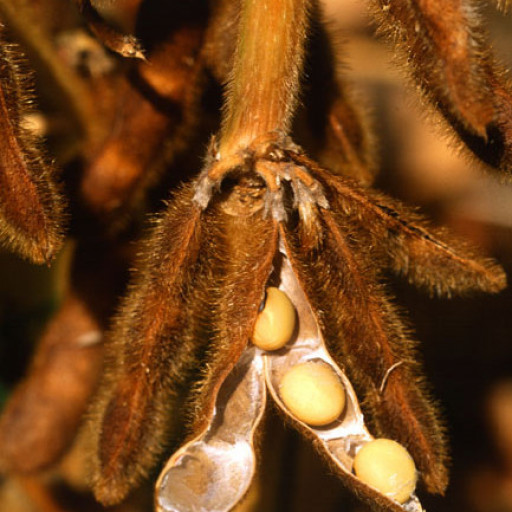
- 🫛 The Pods: As the plant matures, it produces short, curved pods covered in dense, bristly hairs. These pods typically hold two to four seeds (the beans) and turn from bright green to a dry, papery tan.
🏡 In Your Garden
- 🧬 The Soil Builder: Soybeans are part of a special group of plants that "fix" nitrogen. Through a partnership with soil bacteria, they pull nitrogen from the air and store it in their roots, actually leaving the soil richer than they found it.
- ☀️ Sun & Stability: These plants are true sun-seekers and thrive in the heat of mid-summer. Because they develop a deep, sturdy taproot to find water, they strongly dislike being transplanted once they've sprouted—it’s best to sow them exactly where you want them to stay.
⚠️ Safety & Toxicity
- 🍽️ Cooked vs. Raw: While highly nutritious, raw soybeans contain trypsin inhibitors that can interfere with digestion. They must be boiled, steamed (as edamame), or fermented to be safely enjoyed.
- 🐾 Pet Watch: Glycine max is generally considered non-toxic to cats, dogs, and horses. However, if a pet grazes on the fibrous green foliage, they might experience mild stomach upset or bloating.
✨ Fun Fact
In the early 1940s, car mogul Henry Ford became so enamored with the soybean's versatility that he helped develop a "Soybean Car"—a prototype vehicle with plastic body panels made from a formula that included soy fibers!

Detailed Care Instructions
| Color | Green Leaves And Pods; White, Yellow, Or Purple Flowers |
| Soil Ph | 6.0 - 7.0 |
| Invasive | Weed |
| Toxicity | Toxic |
| Soil Type | Loose, Fertile Soil |
| Bloom Time | Summer |
| Plant Type | Annual |
| Mature Size | Up To 3 Feet Tall |
| Native Area | East Asia |
| Sun Exposure | Full Sun |
| Hardiness Zones | 3-11 |
To grow Glycine max (commonly known as soybean) plants, follow these steps:
- Climate and Soil: Choose a location with full sun exposure that receives at least 6 hours of direct sunlight each day. Soybeans prefer loamy, well-draining soil that is slightly acidic with a pH of around 6 to 6.8.
- Germination: Start by planting soybean seeds indoors during early spring or sow them directly in the garden when all danger of frost has passed. Pre-soak the seeds overnight in warm water to enhance germination.
- Planting: If starting indoors, plant the soaked seeds in individual pots filled with seed-starting mix, placing one seed 1-2 inches deep. If sowing directly outdoors, make a row or furrow by digging, then place the seeds about 2 inches apart and 1-2 inches deep.
- Watering: Keep the soil consistently moist during the germination process. After the seeds have sprouted, gradually reduce watering to avoid overwatering, as soybeans can adapt well to drier conditions.
- Thinning: Once the seedlings are about 2-3 inches tall, thin them out, leaving a spacing of about 4-6 inches between plants to allow them to grow properly.
- Care: Keep an eye on weeds as they can compete with soybean plants for nutrients and water. Regularly remove any weeds from the growing area. Additionally, you may need to stake taller varieties of soybeans for support, especially in windy areas.
- Fertilization: Soybeans typically do not require excessive fertilization. However, you can apply a balanced fertilizer or organic compost during planting to provide essential nutrients.
- Harvesting: Harvest soybean pods when they are fully matured and filled with beans. The optimal time for harvesting varies depending on the variety and intended use, but it's generally around 80-100 days after planting. Allow the pods to dry on the plants before harvesting to ensure the seeds are fully developed.
Remember to research specific soybean varieties suitable for your climate and follow any additional care instructions outlined on the seed packet or provided by the supplier.

Place in a bright room that is sun drenched almost all day. Or directly in a south-facing window.

To properly water this plant, first thoroughly moisten the soil in which it is growing. Monitor the moisture level regularly and water when the top inch of soil feels dry to the touch. Use room temperature water and avoid watering directly onto the leaves or stem to prevent waterlogging and the development of fungal diseases. It is also important to avoid over-watering, as excess water can lead to root rot. Adjust the frequency and amount of watering as needed based on environmental factors such as humidity and temperature.
To provide proper nutrients for this leguminous plant, apply a well-balanced fertilizer with a nitrogen, phosphorus, and potassium ratio of 5-10-10 or 10-20-20, preferably in the early stages of growth. Apply a second dose of fertilizer during flowering to promote fruit development and a final application during the seed-filling stage to boost seed development. Additionally, consider incorporating organic matter into the soil to improve its fertility and structure.
The ideal soil for Glycine Max should be well-draining, with a pH level between 6.0 and 7.0. It should be rich in organic matter and have good moisture retention. The soil should also be free of debris and rocks to prevent root damage. The plant prefers loose, loamy soil that is both fertile and deep to support healthy root development. It is important to avoid soils that are too heavy and compact, as this can limit water and air circulation in the soil. In summary, a suitable soil for Glycine Max should be well-draining, fertile, and have good moisture retention.
To propagate this plant, you can collect seeds from mature pods and sow them directly into soil. Alternatively, you can soak the seeds in warm water for several hours before planting to help improve germination rates. Once planted, keep the soil moist and warm, as this plant prefers warm temperatures and consistent moisture. Once the seedlings have developed their first few true leaves, they can be transplanted into individual pots or into the ground. It is important to protect the seedlings from cold temperatures and excessive moisture during this time. With proper care, these plants can mature and produce their own seeds for future propagation.
Common pests of the soybean include Larvae. Make a habit of checking your soybean frequently for pests so that any infestations can be caught and managed early.








