Plant Overview
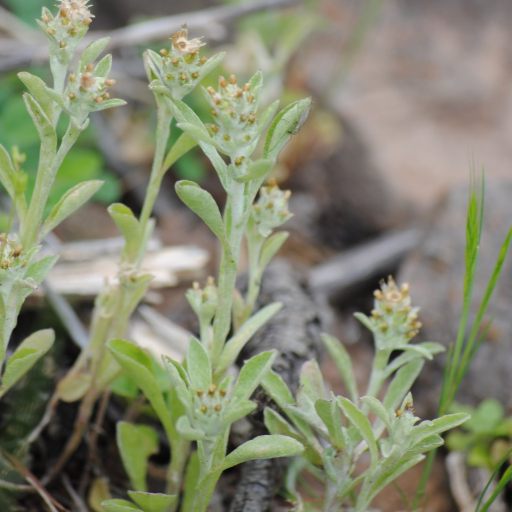
Known affectionately as the Pennsylvania Cudweed or Wandering Cudweed, this silver-tufted traveler is a master of the "disturbed ground." Often appearing in garden beds or between sidewalk cracks, it looks like it’s been lightly dusted with powdered sugar. While many gardeners dismiss it as a mere weed, it is actually a resilient pioneer plant that thrives where others struggle to grow.
🔍 How to Identify
- ☁️ Fuzzy Foliage: The most striking feature is its "tomentose" texture. The leaves and stems are covered in fine, white, woolly hairs that give the plant a ghostly, silvery-grey appearance.
- 🍃 Leaf Shape: The leaves are shaped like narrow spatulas (oblanceolate). They are usually wider at the tip than at the base and often form a soft rosette near the ground before the flowering stalk rises.
- 🌾 Subtle Flowers: Do not expect bright petals! The flowers are small, brownish-yellow, and tucked into the leaf axils along the upper stem. They look more like tiny, scaly buds than traditional garden flowers.
🏡 In Your Garden
- 🌱 The Soil Messenger: If you find this plant popping up, it is often a sign of dry, compacted, or sandy soil. It uses its deep taproot to find moisture where other plants might wither, making it a "bio-indicator" for soil that might need aerating.
- 🦋 Pollinator Support: While humans might overlook the tiny flowers, small native bees and butterflies occasionally visit them for nectar. It is a tough, low-maintenance plant that requires zero effort to grow—in fact, you’ll likely spend more time trying to stop it from spreading!
⚠️ Safety & Toxicity
- ✅ Generally Safe: Pennsylvania Cudweed is not known to be toxic to humans, dogs, or cats. It is a relatively "gentle" weed that doesn't possess thorns or caustic sap.
- 🧶 Texture Warning: The dense, woolly hairs can occasionally trap dust or pollen, which might irritate the skin of highly sensitive individuals or cause a tickle if handled frequently.
✨ Fun Fact
The name "Cudweed" has ancient roots; plants in this family were historically dried and added to the "cud" (chewed food) of cattle to help with digestive issues. Additionally, the soft, woolly fluff on the leaves was once harvested by clever foragers to use as tinder for starting fires!

Detailed Care Instructions
To grow a Gnaphalium pensylvanicum plant, also known as Pennsylvania Everlasting, follow these steps:
- Choose the right growing conditions: Gnaphalium pensylvanicum prefers full sun to partial shade. It can tolerate a variety of soil types but prefers well-draining soil.
- Decide whether to grow from seeds or starter plants: Gnaphalium pensylvanicum can be grown from both seeds and starter plants. Seeds need to be stratified before planting, which means they need to be cold-treated before sowing. Starter plants are generally easier and faster to establish.
- Planting time: Plant seeds or starter plants in the spring or fall, when temperatures are mild. Ensure that there will be no frost after planting.
- Prepare the soil: Loosen the soil in the planting area and remove any weeds or debris. If the soil is heavy or compacted, mix in organic matter such as compost to improve drainage.
- Planting seeds: If growing from seeds, start by stratifying them by placing them in a moist paper towel or in a plastic bag with damp vermiculite or sand. Store them in the refrigerator for about four weeks. After stratification, sow the seeds about 1/8 inch deep in the prepared soil and gently water them.
- Planting starter plants: If using starter plants, dig a hole slightly larger than the root ball, place the plant in the hole, and backfill with soil. Firmly press the soil around the roots but be careful not to damage them. Water the plant thoroughly after planting.
- Watering and maintenance: Keep the soil consistently moist but not waterlogged during the plant's establishment period. Once established, Gnaphalium pensylvanicum is quite drought-tolerant. Water deeply but infrequently, allowing the soil to dry out slightly between watering. Mulching around the plant can help retain moisture and suppress weeds.
- Pruning: Regularly deadhead faded flowers to encourage continuous blooming and remove any damaged or diseased foliage.
- Harvesting: Gnaphalium pensylvanicum produces small, elongated seed pods after flowering. Harvest them before they split open to collect seeds for future planting or to prevent self-seeding.
- Pest and disease control: Gnaphalium pensylvanicum is generally pest and disease-free, but keep an eye out for aphids, spider mites, or powdery mildew. To control pests, you can manually remove them or use organic insecticidal soap. Regularly inspect the plant for any signs of diseases and promptly address any issues.
By following these steps, you can successfully grow a Gnaphalium pensylvanicum plant in your garden.

Place in a bright room that is sun drenched almost all day. Or directly in a south-facing window.

To water this plant, you should thoroughly soak the soil around the base of the plant until the water begins to drain out of the bottom of the pot or container. It is important to avoid getting water on the leaves of the plant, as this can cause damage or promote the growth of fungi and other harmful organisms. The best time to water is in the morning, when the sun is low and the air is cooler, as this gives the plant time to absorb the moisture before the heat of the day sets in. Additionally, you should avoid watering the plant too frequently, as over-watering can lead to root rot and other problems. Instead, allow the soil to dry out slightly between waterings, and use a moisture meter or your finger to test the soil moisture level before adding more water.
To fertilize this plant, apply a balanced fertilizer with equal parts nitrogen, phosphorus, and potassium in the spring and summer months. Use a liquid fertilizer or granular fertilizer according to the instructions on the package, and be sure to water thoroughly after applying the fertilizer. Avoid fertilizing in the fall or winter months when the plant is dormant. Additionally, consider adding organic matter or compost to the soil to improve its overall fertility and health.
Gnaphalium Pensylvanicum plant requires a specific type of soil to thrive. It grows best in soil that is well-draining and moderately fertile with a pH range from slightly acidic to slightly alkaline. The soil should also be loose and porous, with good aeration to avoid waterlogging. A mixture of sand, peat moss, and loam is recommended for potting, while garden soil with compost and sand can be used for outdoor planting. It is important to avoid heavy clay soils or soils with high levels of organic matter, which can cause root rot. Additionally, the soil should be moist but not overly wet, and should never be allowed to dry out completely. Regular fertilization and watering will help to promote healthy growth and vibrant flowers.
To propagate this plant, take a stem cutting from a mature and healthy plant. Make sure the cutting is around four inches in length and has at least two nodes.
Remove the lower leaves from the stem, leaving only a few at the top. Dip the stem into rooting hormone and plant it into moist potting soil. Make sure that the soil drains well.
Place the planted stem cutting in a location with bright, indirect light and keep the soil moist. After a few weeks, the cutting should begin to develop roots.
Once the cutting has developed a root system and has grown to a decent size, it can be transplanted into a larger pot or into the ground.
It is important to note that this plant prefers well-draining soil and can be susceptible to root rot if overwatered. Provide it with consistent moisture, but do not let the soil become waterlogged.
Common pests of the pennsylvania cudweed include Aphids, larvae, snails. Make a habit of checking your pennsylvania cudweed frequently for pests so that any infestations can be caught and managed early.








