Plant Overview
The Gnetum gnemon, more commonly known as the Melinjo or Paddy Oats, is a fascinating "living fossil" from the tropical rainforests of Southeast Asia. While it looks like a typical leafy flowering tree, it is actually a gymnosperm—a distant relative of pine trees and cycads. In Indonesia, it is a cultural icon, prized for its seeds which are transformed into the famous, slightly bitter Emping crackers.
🔍 How to Identify
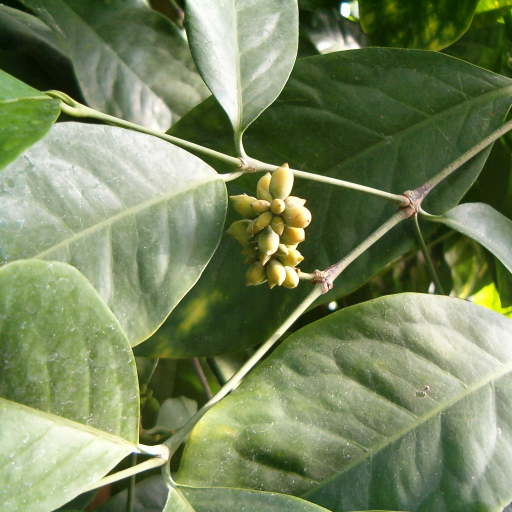
- 🍃 The Leaves: They are glossy, dark green, and elliptic. Unlike most of its cone-bearing relatives, the leaves have a "netted" vein pattern that makes it look deceptively like a common fruit tree.
- 🍒 The "Fruit": It produces small, nut-like seeds encased in a fleshy skin that turns from yellow to a vibrant, sunset orange or deep red when ripe.
- 🎋 Jointed Stems: If you look closely at where the branches meet the trunk, you will notice distinctively swollen "joints" or nodes, a signature trait of the Gnetum family.
🏡 In Your Garden
- 🌱 A Unique Bridge: This plant is an evolutionary marvel, sitting somewhere between primitive conifers and modern flowering plants. It adds a prehistoric, lush aesthetic to any tropical-themed collection.
- 💧 Humidity is Key: As a rainforest native, it thrives in high humidity and dappled sunlight. It is sensitive to frost and prefers "wet feet" over completely drying out, though the soil must remain well-draining to prevent root rot.
⚠️ Safety & Toxicity
- ✅ Safe for Humans: The seeds, young leaves, and even the flowers are edible and highly nutritious for humans, often used in soups and stews.
- 🐾 Pet Sensitivity: While not considered "poisonous" in the traditional sense, the high protein and tannin content in the seeds can cause digestive distress or upset stomachs in smaller pets like cats and dogs if consumed raw.
✨ Fun Fact
The Melinjo tree is a powerhouse of Resveratrol, the same heart-healthy antioxidant found in red wine. In fact, some studies suggest the seeds of this plant contain even higher concentrations than grapes!

Detailed Care Instructions
To grow Gnetum gnemon, commonly known as melinjo or belinjo, you can follow these steps:
- Obtain seeds: Look for fresh and viable Gnetum gnemon seeds from a reputable source or obtain them from a fruit market if available. Ensure the seeds are healthy and not damaged.
- Seed preparation: Soak the seeds in clean water for about 24 hours to soften the outer shell and promote germination. Change the water at least once during this period.
- Potting soil: Prepare a well-draining potting mix by combining equal parts of loamy soil, coarse sand, and organic compost to create a fertile and aerated medium for the plant to grow.
- Planting: Fill a small container or seed tray with the potting soil mixture. Sow the soaked seeds about 1 inch deep in the soil. Space the seeds apart to allow enough room for each seedling to grow individually.
- Germination: Place the container in a warm and humid environment, preferably with a temperature range of 77-86°F (25-30°C). Gnetum gnemon seeds usually take 2-4 weeks to germinate. Ensure the soil remains moist but not waterlogged during this period.
- Transplanting: Once the seedlings have grown to about 4-6 inches tall, they can be transplanted into individual pots or directly into the ground if the climate suits it. Choose a location with partial shade or filtered sunlight.
- Watering: Regularly water the plants, maintaining moist soil but ensuring proper drainage. Gnetum gnemon prefers consistent moisture but can tolerate short dry periods. Avoid overwatering or allowing the soil to become waterlogged.
- Fertilization: Fertilize the plants every two to three months using a balanced slow-release fertilizer or diluted liquid fertilizer. Follow the manufacturer's instructions for appropriate dosage.
- Pruning: Prune the plants to maintain a desirable shape, remove dead or damaged branches, and encourage new growth. This can be done throughout the year, but avoid heavy pruning during the active growing season.
- Harvesting: Patience is required as Gnetum gnemon can take several years to start producing harvestable fruit. Once the fruit matures, harvest them by cutting the stems or picking the fruit directly from the tree.
Remember that Gnetum gnemon is a tropical plant and prefers warm and humid conditions. It thrives in USDA hardiness zones 10-12. If you live in a region with colder temperatures, consider growing the plant indoors or in a greenhouse.

Place in a bright room that is sun drenched almost all day. Or directly in a south-facing window.

It is important to provide adequate water to this plant. You should water it deeply, but also make sure the soil is well-draining to prevent overwatering and root rot. Watering should be done regularly, especially during hot and dry weather. Before watering, check the soil moisture level by inserting your finger into the soil. If it feels dry to the touch, it’s time to water. Use a watering can or hose to water the plant at the base and avoid getting water on the leaves. Consider watering in the early morning or late afternoon to prevent water evaporation and reduce the risk of leaf scorch. In general, this plant prefers evenly moist soil, so make sure to not let the soil dry out completely between waterings.
To fertilize this tropical plant, use a balanced fertilizer with equal parts nitrogen, phosphorus, and potassium. Apply the fertilizer during the growing season, which is typically during the warmer months. Dilute the fertilizer according to instructions before applying it to the soil. Do not over-fertilize, as this can damage the plant. Monitor the plant's growth and adjust the fertilizer application as needed.
The soil to use with this plant should be well-draining and have good aeration to promote healthy root development. It should contain a balanced mix of organic matter and inorganic components, such as sand, perlite, or vermiculite, to provide nutrition and support to the plant. The pH of the soil should be between 5.5 and 7.0, slightly acidic to neutral. The soil should not be compacted or waterlogged as this can lead to root rot and other issues. Additionally, the plant may benefit from the addition of fertilizers or amendments to increase nutrient availability and enhance growth.
To propagate this plant, collect seeds from mature and healthy fruits. Soak the seeds in water for a few hours to soften the seed coat. Then plant the seeds in well-draining soil in a shaded area. Water the soil regularly to keep it moist. Germination usually occurs within a few weeks. Once seedlings have emerged, they can be transplanted into larger pots or directly into the ground. Provide shelter from harsh sun and wind until the seedlings are established. Fertilizing with a balanced fertilizer can help encourage growth.








