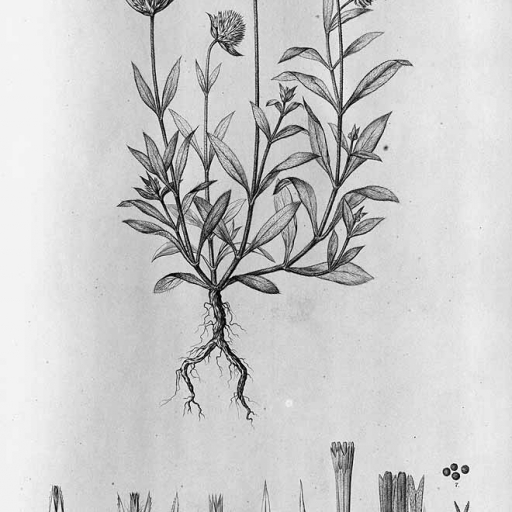
Plant Overview
Often called the Prostrate Gomphrena or "Gomphrena Weed," this hardy South American native is a master of survival. While many gardeners view it as a stubborn intruder in the lawn, its tiny, papery white blooms have a unique charm, looking like miniature cotton clouds scattered across the grass. It is a resilient pioneer species, often the first to colonize bare or "tired" patches of earth.
🔍 How to Identify
- ☁️ Flower Heads: Distinctive white, cylindrical spikes that look like papery clusters or tiny, elongated cotton balls at the ends of the stems.
- 🌱 Growth Habit: It features a "prostrate" growth pattern, meaning it creeps along the ground to form dense, flat mats that can easily survive the blades of a lawnmower.
- 🌿 Fuzzy Foliage: The elliptical leaves and reddish stems are covered in fine, silky white hairs, giving the entire plant a soft, slightly silvery appearance.
🏡 In Your Garden
- 🏜️ Tough as Nails: This plant thrives in "problem areas"—think compacted soil, sidewalk cracks, or sandy patches where nothing else grows. Its presence often indicates that the soil is quite dry or poor in nutrients.
- ⚓ The Taproot Challenge: If you decide to remove it, beware: it possesses a deep, sturdy taproot. Simply pulling the leaves won't work; you must dig deep to ensure the root is removed, or it will bounce back within weeks.
⚠️ Safety & Toxicity
- ✅ General Safety: Gomphrena celosioides is generally considered non-toxic to humans and common household pets like cats and dogs.
- 🐾 Physical Irritant: While not chemically poisonous, the dried flower heads can become quite stiff and "scratchy." They are known to get stuck in long pet fur or cause mild irritation to sensitive paws.
✨ Fun Fact
In various cultures across South America and Africa, this "weed" is harvested for traditional medicine. It has been used in folk remedies to treat everything from skin infections to respiratory issues, thanks to its natural antimicrobial properties!

Detailed Care Instructions
To grow Gomphrena celosioides plants, follow these steps:
- Climate: Ensure you live in a suitable climate for growing Gomphrena celosioides. This plant thrives in warm and tropical climates but can also tolerate cooler temperatures.
- Soil: Provide well-draining soil rich in organic matter. Gomphrena celosioides prefers slightly acidic to neutral pH levels (6.0-7.0).
- Sunlight: Place the plant in a sunny location that receives at least 6-8 hours of direct sunlight daily. These plants require abundant light for optimal growth.
- Watering: Water the plant regularly, keeping the soil moist but not waterlogged. Allow the soil to dry slightly between waterings. Avoid overwatering, as it can lead to root rot.
- Fertilizer: Apply a balanced, slow-release fertilizer every 4-6 weeks during the growing season to promote healthy growth. Follow the manufacturer's instructions for application rates.
- Pruning: Regularly pinch back the growing tips to encourage bushier growth. This helps the plant produce more blooms.
- Propagation: Gomphrena celosioides can be propagated through seeds or stem cuttings. If using seeds, sow them in a seed tray filled with moist soil and cover lightly. Keep the tray in a warm location and provide adequate moisture until the seeds germinate. If using stem cuttings, take 4-6 inch long cuttings from a healthy plant and root them in a rooting hormone-treated potting mix.
- Pests and diseases: Monitor your plants for any signs of pests or diseases, such as aphids or powdery mildew. Treat them promptly using organic or chemical remedies, if necessary.
By following these guidelines, you should be able to successfully grow Gomphrena celosioides plants. Remember to provide proper care and attention to ensure healthy growth and abundant blooms.
To water this plant, it is best to use a watering can or hose with a gentle spray nozzle. Before watering, check the soil to see if it feels dry to the touch. If the soil is dry, slowly pour water around the base of the plant until the soil is saturated. Take care not to overwater the plant, as this can lead to root rot. Allow the soil to dry out slightly between waterings. It is important to water the plant consistently, but also to avoid getting water on the leaves, as this can increase the risk of fungal diseases.
For optimal growth and blooming, fertilize this plant during the growing season with a balanced fertilizer that includes nitrogen, phosphorus, and potassium. Apply the fertilizer every 4-6 weeks, following the manufacturer's instructions for the appropriate amount per plant. Water the plant thoroughly after fertilizing to help distribute the nutrients throughout the soil. Avoid fertilizing during the dormant season or during periods of drought or extreme heat, as this may cause stress to the plant.
For Gomphrena Celosioides plant, it is recommended to use a well-draining soil that is rich in organic matter. The soil should have a pH level between 6.0 and 7.5. The plant prefers a soil that is slightly acidic to neutral. A mixture of sandy loam and peat moss can be a good option for this plant. The soil should also have good water retention capability and should not get too dry or too wet. It is advisable to add compost to the soil to provide the plant with the necessary nutrients it requires to grow healthy and strong. In terms of fertilization, it is best to use a balanced fertilizer that contains equal amounts of nitrogen, phosphorus, and potassium. The plant should be fertilized every 4-6 weeks during the growing season. Lastly, it is important to ensure that the soil is free from any pests or diseases that can harm the plant.
To propagate this plant, take a stem cutting that is between 4 to 6 inches long from the parent plant. Choose a stem that is healthy and without any signs of disease or damage. Using a sterilized pair of pruning shears, make a clean cut below a node (the point where a leaf attaches to the stem). Remove any leaves on the lower half of the stem to prevent excessive moisture loss.
Next, prepare a small container with moist, well-draining soil. Dip the cut end of the stem in rooting hormone powder and insert it into the soil. Firmly press the soil around the stem to ensure good contact. Water the soil lightly to settle it around the stem.
Cover the container with a clear plastic bag or plastic wrap to create a mini greenhouse environment. This will help to retain moisture and promote faster root development. Place the container in a warm, bright location, but out of direct sunlight.
After a few weeks, check for the development of new roots by gently tugging on the stem. If the plant resists the pull, then roots have formed and the plastic covering can be removed. Gradually introduce the plant to brighter light and start to water it more regularly.
Once the Gomphrena Celosioides plant is well established, it can be transplanted into a larger container or directly into the garden.








