Plant Overview
Known as the "African Wild Cotton," Gossypium anomalum is a rugged, desert-dwelling ancestor of the cotton used to make your favorite t-shirts. Native to the arid regions of Africa and the Arabian Peninsula, this plant is a master of survival, thriving in sun-baked environments where most other plants would wither. While it doesn't produce the massive fluffy bolls we see in industrial fields, its delicate, hibiscus-like flowers make it a hidden gem for dry-climate enthusiasts.
🔍 How to Identify
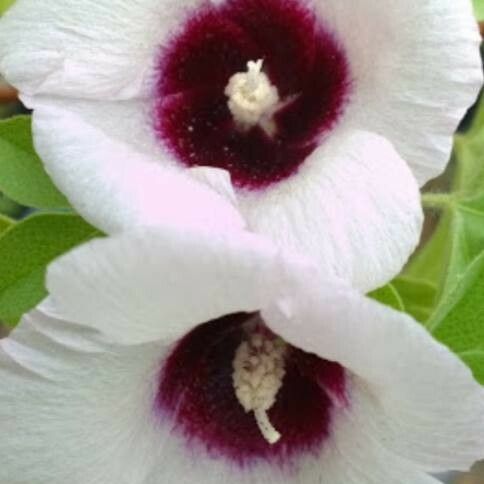
- 🌸 The "Eye" of the Flower: The blossoms are typically a soft pale yellow or creamy white, featuring a dramatic, dark purple or burgundy splash at the base of each petal.
- 🍃 Lobed Foliage: The leaves are deeply divided into three to five narrow lobes and are often covered in fine, velvety hairs that help the plant retain moisture.
- 🧶 Wild Bolls: Unlike commercial cotton, the seed pods (bolls) are small and produce very short, brownish lint that looks more like felt than soft cotton balls.
🏡 In Your Garden
- 🏜️ The "Dry-Feet" Specialist: This plant has a powerful taproot designed to seek water deep underground. It hates "wet feet" and will suffer quickly in heavy, waterlogged clay; always prioritize sandy or rocky, well-draining soil.
- ☀️ Sun Worshipper: To see those stunning nectar-rich flowers, you must provide full, unobstructed sunlight. In shady spots, the plant becomes "leggy" and refuses to bloom.
- ✂️ Pruning for Shape: In its natural habitat, it grows as a sparse, woody shrub. In a garden setting, light pruning after the flowering season encourages a bushier, more attractive form.
⚠️ Safety & Toxicity
- ✅ Generally Safe: Gossypium anomalum is not considered high-risk for casual contact.
- 🐾 Livestock Note: Like many wild cotton species, the plant contains gossypol. While humans and common pets are rarely affected by touching it, the seeds should not be ingested in large quantities by animals, as gossypol can be toxic to monogastric (single-stomach) creatures.
✨ Fun Fact
This wild plant is considered a "genetic gold mine" by scientists. Because it has survived for millennia in harsh deserts, it carries natural resistance to many pests and diseases that plague modern cotton crops, and it is frequently used in lab research to create hardier versions of the clothes we wear!

Detailed Care Instructions
Gossypium Anomalum requires regular watering, especially during the growing season. It is important to water deeply but infrequently, as it does not tolerate soggy soil. When watering, it is best to water at the base of the plant, rather than from overhead, to prevent water from sitting on the leaves, which can lead to fungal diseases. The amount of water needed will depend on factors such as the weather, soil type and the stage of growth. It is recommended to check the soil moisture level regularly by sticking a finger into the soil about an inch deep. If the soil feels dry at this level, it is time to water. The plant should not be allowed to completely dry out, but also avoid overwatering as it can lead to root rot.
The best soil for Gossypium Anomalum plant is a well-draining soil mix with a slightly acidic pH level. The soil should be rich in organic matter and have good aeration to allow for healthy root growth. It should be moist, but well-drained to avoid waterlogging or excessive dryness. Adding sand or perlite to the soil mix can help improve drainage. Soil fertility should also be considered, as Gossypium Anomalum requires sufficient nutrients for healthy growth and fruit production. A balanced fertilizer with a higher potassium content is recommended for good plant development and resistance to disease. It is also important to avoid using heavy fertilizers or excess nutrients, as this could damage the plant or affect fruit quality.








