Plant Overview
Known widely as the "Chewstick" or "Chawstick," Gouania lupuloides is a vigorous woody vine that weaves through the coastal forests of Florida, Mexico, and the Caribbean. Its most famous claim to fame is its historical use as a natural toothbrush; the stems contain saponins that create a soapy lather when chewed. This resilient climber is a master of adaptation, turning any fence or nearby tree into a lush, leafy vertical tapestry.
🔍 How to Identify
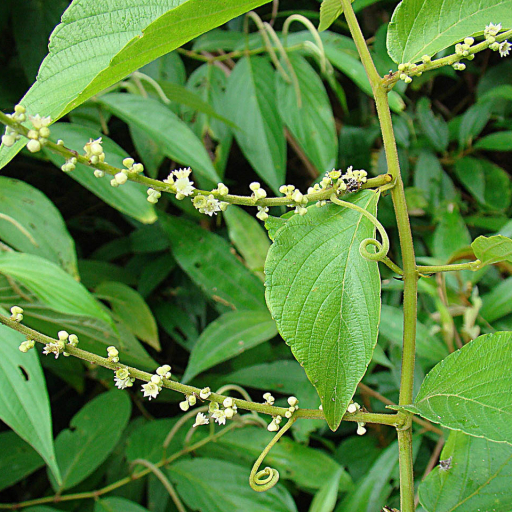
- 🌿 Growth Habit: A climbing or sprawling woody shrub that uses thin, coiled tendrils to "hook" onto surfaces and hoist itself upward.
- 🍃 The Leaves: Features alternate, oval-shaped leaves with slightly serrated (toothed) edges and a smooth, glossy texture on the upper surface.
- 🕊️ Flowers & Fruit: It produces elongated spikes of tiny, greenish-white flowers that eventually turn into distinctive three-winged fruits, which are designed to catch the wind for seed dispersal.
🏡 In Your Garden
- 🏗️ Vertical Ambition: If you are growing this in a home landscape, it requires a sturdy trellis or a "sacrificial" tree. It grows fast and can quickly overwhelm delicate ornamental plants if not pruned regularly.
- 🌊 Coastal Resilience: This plant is exceptionally salt-tolerant. It is a fantastic choice for seaside gardens where salt spray and sandy soil often make gardening a challenge.
⚠️ Safety & Toxicity
- ✅ Generally Safe: Gouania lupuloides is not considered toxic to humans. In fact, it has a long history of ethnobotanical use in the Caribbean for oral hygiene and traditional beverages.
- 🐶 Pet Precaution: While not listed on major toxic plant databases for pets, the high saponin content (the "soapy" compounds) might cause mild digestive upset if a dog or cat decides to use it as a chew toy.
✨ Fun Fact
🍺 The Original Bittering Agent: Long before modern commercial hops were widely available in the Caribbean, the bitter stems of the Chewstick were used to provide the signature "bite" in traditional ginger beers and local ales!

Detailed Care Instructions
To grow Gouania Lupuloides, also known as hopseed bush, you can follow these steps:
- Choose the right location: Gouania Lupuloides thrives in full sun to partial shade. Select a spot in your garden that receives at least 6-8 hours of sunlight per day. It can tolerate a variety of soil types, but well-draining soil is preferred.
- Prepare the soil: If your soil is heavy or clayey, you can improve its drainage by adding organic matter like compost or peat moss. Mix it well with the existing soil to create a loose and fertile medium.
- Planting: Dig a hole that is twice the size of the plant's root ball. Carefully remove the plant from its container, ensuring that the roots are intact. Place the plant in the hole and backfill it with the prepared soil. Gently pat down the soil around the plant to secure it in place.
- Watering: After planting, water the Gouania Lupuloides thoroughly to settle the soil and encourage root establishment. Maintain regular watering during the growing season, ensuring that the soil remains evenly moist but not waterlogged. However, once established, Gouania Lupuloides is relatively drought-tolerant, so you can reduce watering frequency.
- Mulching: Apply a layer of organic mulch around the base of the plant to help retain moisture, suppress weed growth, and protect the roots from temperature fluctuations. Leave a small space around the stem to prevent rot.
- Pruning: Gouania Lupuloides generally retains its natural shape and doesn't require heavy pruning. However, you can lightly prune it in late winter or early spring to remove any damaged or dead branches and promote bushier growth.
- Fertilizing: Fertilize Gouania Lupuloides once a year in early spring with a slow-release, balanced fertilizer. Follow the instructions on the fertilizer packaging for the appropriate dosage.
- Pests and diseases: Gouania Lupuloides is relatively resistant to pests and diseases. However, keep an eye out for common garden pests like aphids or spider mites. If necessary, treat them with organic or chemical insecticides according to the instructions.
By following these steps, you should be able to successfully grow Gouania Lupuloides in your garden. Remember to provide adequate care, and your plant will thrive and bring beauty to your landscape.

Place in a window with dappled sun or a spot in the middle of a room. Or directly in a window facing west or east.
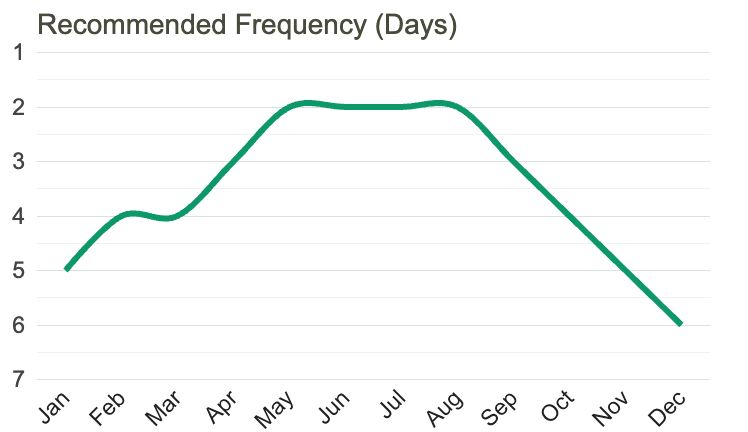
Gouania Lupuloides plant requires frequent watering during the growing season, typically from spring through fall. As a rule of thumb, the plant should be watered once a week, or more often if the soil feels dry to the touch. When watering, it's crucial to make sure the soil is thoroughly soaked, but not waterlogged. Overwatering can lead to root rot, which can eventually kill the plant. It's also essential to water the soil directly and avoid getting water on the foliage, which can encourage disease and pest problems. During the winter months, watering frequency should be reduced, and the soil should be allowed to dry out slightly between waterings.
To fertilize this plant, mix a balanced fertilizer into the soil at the base of the plant. Use a slow-release fertilizer for best results. Apply the fertilizer once in the spring and again in midsummer to keep the plant healthy and blooming. Be sure to follow the instructions on the fertilizer package for proper dosage. Avoid fertilizing the plant in late summer or fall, as this may encourage new growth that will be susceptible to frost damage.
The best soil to use for the specific plant in question would be a well-draining soil mix that is rich in organic matter. The soil should have a slightly acidic pH level, somewhere between 6.0 and 6.5. It is important to ensure that the soil remains moist but not waterlogged, as this can lead to root rot. The use of a slow-release fertilizer can also help to ensure that the plant receives the necessary nutrients to promote healthy growth. Additionally, the plant prefers to be situated in an area that receives partial to full sun, making it an ideal choice for a garden or outdoor space.
Propagation of this plant can be achieved through stem cutting. Choose a healthy and mature plant, then select a stem that has at least three leaf nodes. Ideally, the stem should be about six inches in length. Use sharp and sterilized pruning shears or scissors to avoid damaging the stem.
Next, remove the lower leaves on the stem, leaving only the top one or two leaves. The lower part of the stem should then be dipped into rooting hormone powder to increase the chances of successful rooting.
Prepare the soil by using a well-draining mix that includes perlite, vermiculite, and peat moss. Plant the cutting, making sure that the soil comes into contact with the wounded part of the stem. Water the newly planted cutting thoroughly and place it in a bright and shaded area.
Keep the soil moist and mist the cutting frequently to prevent it from drying out. It may take several weeks for the cutting to form roots. Look out for any new growth or signs of root development. After a few months, the plant should have developed enough roots to be transplanted into a larger pot or garden bed.








