Plant Overview
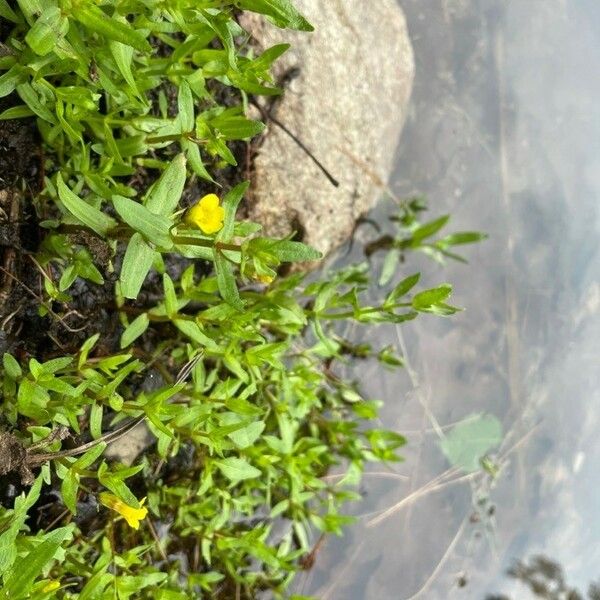
The Golden Hedge-hyssop, or "Golden-pert," is a petite, sun-loving perennial that acts as a bright carpet for the muddy margins of lakes and ponds. Native to North America, this charming wildflower is a specialist of the shoreline, often found where the land meets the water. In historical herbalism, members of the Gratiola genus were sometimes referred to as the "Grace of God" because of their purported medicinal uses, though today they are prized mostly for their cheery yellow blooms.
🔍 How to Identify
- 🌼 The Flowers: Look for small, trumpet-shaped blossoms that are a vibrant lemon-yellow. They usually have five petals fused into a tube with a fuzzy "beard" inside.
- 🍃 The Leaves: The leaves are narrow, lance-shaped, and grow in opposite pairs. They are "sessile," meaning they clasp the stem directly without a stalk.
- 🌱 Growth Habit: This is a low-growing plant, rarely reaching more than 4-10 inches in height. It often spreads via underground rhizomes to form dense, golden mats.
🏡 In Your Garden
- 💧 The "Wet Feet" Rule: Golden Hedge-hyssop is an obligate wetland plant. It doesn't just like water; it needs it. It is perfect for the "marginal" zone of a backyard pond or a consistently soggy bog garden.
- ☀️ Sun Seeker: While it can handle partial shade, it produces the most dramatic floral display when given full sun. It is a great choice for stabilizing sandy or muddy banks where other groundcovers might struggle with the moisture.
⚠️ Safety & Toxicity
- 🧪 Status: Potentially Toxic if Ingested.
- 🐾 Details: Like many members of the Plantaginaceae family, Golden Hedge-hyssop contains bitter compounds (cucurbitacins). While it isn't considered "deadly," it can cause significant digestive upset, nausea, or vomiting if eaten by pets, livestock, or children. It is best treated as an ornamental rather than a medicinal plant.
✨ Fun Fact
The Golden Hedge-hyssop is a bit of a biological "scuba diver." If water levels rise suddenly, the plant can actually survive and even continue growing entirely submerged for a period of time, waiting for the water to recede so it can bloom in the open air again.

Detailed Care Instructions
To successfully grow Gratiola Aurea, also known as Golden Hedge Hyssop, you can follow these steps:
- Climate and location: Gratiola Aurea grows well in full or partial sun and prefers moist to wet soil conditions. It is native to wetland areas, so it requires consistently moist soil. Ensure you choose a suitable location with good drainage.
- Soil preparation: Prepare the soil by removing any weeds or grasses in the chosen area. Gratiola Aurea prefers loamy soil but can tolerate various soil types. If the soil is heavy clay, you can improve drainage by adding organic matter such as compost or peat moss.
- Planting: Plant the Gratiola Aurea seedlings or seeds in the prepared soil. If starting from seeds, sow them directly into the garden bed at a depth of about ¼ inch and water gently. If using seedlings, dig holes slightly larger than the plant's root ball and place them in the holes, gently firming the soil around them. Leave sufficient spacing between plants to allow for optimal growth.
- Watering: Gratiola Aurea needs consistently moist soil, so regular watering is crucial, particularly during dry periods or in the absence of rainfall. Water deeply, ensuring the plant's roots receive enough moisture. However, be careful not to overwater and create waterlogged conditions.
- Mulching: Apply a layer of organic mulch around the plants to help retain moisture, suppress weed growth, and regulate soil temperature. Use materials like straw, shredded leaves, or bark chips, and ensure the mulch is spread evenly around the plant, leaving a small gap around the stem to prevent rotting.
- Fertilization: Gratiola Aurea generally does not require regular fertilization. However, incorporating some well-balanced organic fertilizer into the soil during the initial planting stage can provide a nutrient boost. Avoid excessive use of nitrogen-rich fertilizers, as this may stimulate foliage growth rather than flower production.
- Pruning: Deadhead spent flowers regularly to encourage continuous blooming throughout the growing season. Additionally, prune the plant lightly in early spring to promote compact growth and encourage the development of more flower buds.
- Pests and diseases: Gratiola Aurea is generally resistant to pests and diseases. However, occasional problems may arise, such as aphid infestations or fungal diseases. Inspect the plant regularly for any signs of pest or disease damage and take appropriate measures, such as using organic insecticides or fungicides if necessary.
By following these guidelines, you can successfully grow Gratiola Aurea and enjoy its beautiful yellow blooms in your garden.

Place in a bright room that is sun drenched almost all day. Or directly in a south-facing window.

Gratiola Aurea is a plant that requires a specific watering routine to ensure its optimal growth and health.
When watering the Gratiola Aurea plant, it is important to consider its watering needs based on the specific growing conditions. Gratiola Aurea prefers moist soil but not overly saturated or waterlogged conditions.
To determine when to water the plant, it is crucial to regularly check the moisture level of the soil. One way to do this is by inserting a finger into the soil about an inch or two deep. If the soil feels dry at this depth, it is an indication that it is time to water the plant.
When watering, it is essential to water evenly and thoroughly, making sure that water reaches the entire root zone. This encourages deep root growth and prevents the plant from becoming shallow-rooted, which can make it more susceptible to drying out.
To water the Gratiola Aurea plant, you can use methods like watering cans or a hose with a soft shower nozzle to avoid damaging the plant. It is advisable to apply water directly to the base of the plant, targeting the soil rather than the foliage.
While watering, observe the plant and its response to the moisture. Look out for signs of overwatering, such as yellowing or wilting leaves, which may indicate that the soil is staying overly wet for extended periods. Adjust the watering frequency accordingly to maintain appropriate moisture levels in the soil.
Another factor to consider when watering Gratiola Aurea is the surrounding environment and climate conditions. Higher temperatures or dry air may increase the plant's water requirements, so adjust the watering frequency accordingly.
In summary, carefully monitoring the moisture level of the soil and providing regular, even watering while avoiding waterlogging will help maintain the health and well-being of the Gratiola Aurea plant.
To fertilize the Gratiola Aurea plant, follow these instructions:
- Choose a balanced, water-soluble fertilizer that is specifically formulated for flowering plants. Ensure that the fertilizer contains equal amounts of nitrogen, phosphorous, and potassium (NPK ratio of 10-10-10 or similar).
- Dilute the fertilizer according to the manufacturer's instructions. Typically, you will need to mix a certain amount of fertilizer with water in a watering can or sprayer.
- Water the Gratiola Aurea plant thoroughly before applying the fertilizer. This will help prevent any potential root burn.
- Apply the diluted fertilizer to the base of the plant, taking care not to let it touch the foliage. Slowly pour the fertilizer solution around the root system, ensuring even distribution.
- Avoid over-fertilizing the plant, as this can lead to nutrient burn or excessive foliage growth at the expense of flower production. It's generally recommended to fertilize no more than once every two to four weeks during the growing season.
- Monitor the plant for any signs of nutrient deficiency, such as yellowing leaves or poor growth. If necessary, adjust your fertilization schedule to provide additional nutrients.
- After fertilizing, thoroughly water the plant again to help distribute the nutrients and prevent the roots from drying out.
Remember to always follow the specific instructions provided with your chosen fertilizer, as the application rates and frequency may vary. Additionally, it's important to consider the specific needs of each individual plant, so tailor your fertilization regime accordingly.
Gratiola aurea, a perennial flowering plant, thrives in a specific type of soil that provides the necessary conditions for its growth and health. When cultivating this plant, it is essential to consider the following soil characteristics:
- Texture: Gratiola aurea prefers a well-draining soil, which allows excess water to flow away and prevent waterlogging. It thrives in a soil with a loamy texture, which provides a suitable balance of sand, silt, and clay particles.
- pH Level: This plant generally prefers a slightly acidic to neutral soil pH range of 6.0 to 7.0. Ensuring the soil pH is within this range helps to facilitate proper nutrient absorption and overall plant vigor.
- Organic Content: Gratiola aurea appreciates a soil high in organic matter. Amending the soil with compost or well-rotted manure prior to planting can supply the plant with essential nutrients while improving the soil structure and promoting beneficial microbial activity.
- Nutrient Availability: The soil should be rich in essential nutrients such as nitrogen, phosphorus, and potassium. Incorporating a balanced slow-release fertilizer specifically formulated for flowering plants can help provide adequate nutrition throughout the growing season.
- Moisture Retention: While Gratiola aurea prefers well-draining soil, it also benefits from soil that retains some moisture. Adding organic matter can assist in moisture retention, preventing the soil from drying out too quickly and helping the plant withstand periods of drought.
Overall, it is important to create a balanced soil environment for Gratiola aurea that balances drainage capability, fertility, and moisture retention. By considering these soil requirements, you can help ensure optimal growth and a thriving plant.
Gratiola aurea, commonly known as yellow hedge hyssop or golden hedge hyssop, is a perennial herbaceous plant native to North America. It belongs to the Plantaginaceae family and is known for its vibrant yellow flowers and rich green foliage.
To propagate Gratiola aurea, you can follow these steps:
- Select a healthy and mature Gratiola aurea plant from which you want to take cuttings for propagation. Look for a plant that is disease-free and has vigorous growth.
- Choose a suitable time for propagation. The best time for propagating Gratiola aurea is during spring or early summer when the plant is actively growing and the weather is mild.
- Prepare a clean and sterile pair of pruning shears or scissors. Ensure that the tools are sharp to make clean cuts, which will promote faster rooting.
- Identify the most suitable stems for taking cuttings. Look for stems that are young, flexible, and pest-free. Avoid using overly woody stems or stems with signs of damage or disease.
- Measure approximately 4 to 6 inches from the tip of the selected stem and make a clean diagonal cut just below a leaf node. A leaf node is a point where a leaf emerges from the stem.
- Remove the lower leaves from the bottom 2 inches of the cutting, leaving only a few small leaves near the top. This will help reduce moisture loss and focus the plant's energy on root development.
- Prepare a well-draining container with a suitable potting mix. A mix made of equal parts perlite or sand and peat or coco coir is ideal. Moisten the potting mix, ensuring it is damp but not waterlogged.
- Dip the cut end of the Gratiola aurea cutting into a rooting hormone powder or gel. This can help promote root development and increase the success rate of propagation, but it is optional.
- Make a hole in the potting mix using a pencil or your finger and gently insert the cut end of the cutting into the hole. Press the potting mix around the base of the stem to hold it securely in place.
- Place the potted cutting in a warm and bright location, avoiding direct sunlight. Maintain a consistent level of moisture in the potting mix by lightly misting it or covering the container with a clear plastic bag to create a mini greenhouse effect.
- Check the cutting regularly for signs of root development. This may take several weeks. Once roots are well-established, gently tug on the plant to ensure it has taken hold in the potting mix.
- Transplant the rooted cutting into a larger container or directly into a well-prepared garden bed. Ensure it receives adequate sunlight, regular watering, and the appropriate spacing for its mature size.
By following these steps, you can successfully propagate Gratiola aurea and enjoy the beautiful yellow flowers and foliage of this stunning plant.








