Plant Overview
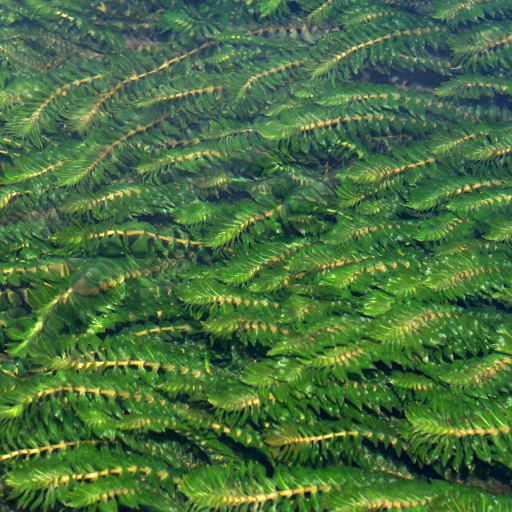
Known as the Opposite-leaved Pondweed, Groenlandia densa is a botanical loner—the only species within its entire genus. This elegant aquatic perennial forms lush, emerald-green thickets beneath the water's surface, creating a miniature underwater forest. Historically, it was a common sight in crystal-clear chalk streams across Europe, where it served as a vital sanctuary for fish fry and delicate aquatic insects.
🔍 How to Identify
- 🌿 Opposite Leaves: Unlike the common Pondweeds (Potamogeton) which have alternating leaves, this plant is defined by leaves arranged in pairs directly across from each other along the stem.
- 💎 Translucent Texture: The foliage is thin, wavy, and almost see-through, appearing like stained glass when sunlight filters through the water.
- 📐 Recurved Shape: The leaves typically curve backward or downward, giving the stems a distinctive "plumed" or "shaggy" appearance compared to straighter aquatic weeds.
🏡 In Your Garden & Pond
- 💧 The "Canary" of the Pond: This species is highly sensitive to pollution and stagnant conditions. It thrives only in clean, oxygen-rich water, making it an excellent natural indicator of your pond's overall health.
- 🏔️ Cool Temperament: While many pond plants love the heat, Groenlandia densa prefers cool, moving water. It may "melt" or go dormant if water temperatures rise too high during a summer heatwave.
- 🐟 Habitat Hero: Because it grows so densely, it provides the perfect hiding spot for tadpoles and small fish to escape predators.
⚠️ Safety & Toxicity
- ✅ Non-Toxic: This plant is completely safe for pets, livestock, and humans. It is a favorite snack for certain species of water birds and herbivorous fish.
- 🚫 Invasive Potential: While it is a protected and rare species in some parts of the UK and Europe, it should never be discarded into wild waterways. Always compost excess pond trimmings to prevent unintended spread into local ecosystems.
✨ Fun Fact
The name Groenlandia is a bit of a botanical prank—this plant is not native to Greenland, nor does it grow there. It was named by the famous botanist Linnaeus, but the "Greenland" reference remains a historical mystery, as the plant prefers much more temperate climates!

Detailed Care Instructions
To grow Groenlandia Densa (also known as Rotala indica or Indian toothcup) plant, you can follow these steps:
- Acquisition: Purchase or obtain Rotala indica plant from a reputable nursery or an aquarium store. Ensure that the plant is healthy with vibrant green leaves.
- Water conditions: Groenlandia Densa is an aquatic plant, and it requires specific water conditions for optimal growth. Maintain a temperature of around 72-82°F (22-28°C) in the aquarium. The water should be slightly acidic to neutral (pH 6.0-7.5). Use a good quality aquarium water test kit to monitor the water parameters regularly.
- Lighting: Provide the plant with moderate to high light intensity. Groenlandia Densa requires sufficient light for photosynthesis. Use full-spectrum aquarium lights or specially designed LED lights for aquatic plants. Keep the lights on for around 10-12 hours per day.
- Substrate: The plant needs a nutrient-rich substrate to grow well. Use aquarium soil or a substrate specifically designed for aquatic plants. This will provide essential nutrients for healthy growth.
- Planting: Carefully plant the Groenlandia Densa stems in the substrate by gently pushing them in. Make sure to space the stems adequately to allow enough light and water flow between the plants.
- Fertilization: Consider using a liquid fertilizer or root tabs specifically formulated for aquarium plants. These will provide essential micronutrients and macronutrients to support healthy growth.
- CO2 injection (optional): Groenlandia Densa benefits from supplementing carbon dioxide (CO2) in the aquarium water. Consider using a CO2 injection system to provide additional CO2 for the plant's growth. However, this step is optional and may not be necessary for the plant to grow, especially in low-tech setups.
- Water maintenance: Regularly maintain the aquarium water by performing water changes (around 20-30%) weekly. This will ensure that any accumulated toxins or excess nutrients are removed, preventing algae growth and promoting plant health.
- Pruning: Groenlandia Densa grows quickly and may need pruning to maintain its desired shape and prevent overcrowding. Prune any excessive growth or yellowing leaves regularly to promote new growth.
With proper care, Groenlandia Densa can grow and thrive in your aquarium, adding beauty and natural habitat for your aquatic pets.

Place in a bright room that is sun drenched almost all day. Or directly in a south-facing window.

Groenlandia Densa is a submerged aquatic plant that requires water to grow. The plant should be placed in an aquarium or pond with sufficient water depth, as it can grow up to several feet long. When watering the plant, it is important to ensure that the water is clean and free from pollutants, as these can harm the plant and hinder its growth. The frequency of water changes will depend on the size of the aquarium, but should generally be done once every one to two weeks. The water should also be well-aerated, as this will help to promote healthy root growth. Fertilizer can be added to the water to provide the nutrients that the plant needs to grow, but care should be taken not to over-fertilize, as this can lead to algae growth and other problems. Overall, Groenlandia Densa requires consistent monitoring and maintenance to ensure that it thrives in its aquatic environment.
To fertilize this plant, you should use a balanced liquid fertilizer once a month during the growing season. Dilute the fertilizer to half strength and apply it to the soil around the plant, being careful not to get any on the leaves. Make sure the soil is moist before fertilizing, and do not fertilize during the winter months.
The ideal soil for the Groenlandia Densa plant should be well-draining and nutrient-rich. The soil pH should be slightly acidic to neutral, around 6.0-7.5, to promote healthy growth. A mixture of loam, sand, and peat moss can provide the necessary drainage and nutrition for this plant. Avoid using heavy clay soils as it can retain excess water, leading to root rot. Additionally, incorporating organic matter like compost or humus can enhance the soil structure and promote healthy microbial activity. It is advisable to check the soil moisture regularly and water the plant only when the soil is slightly dry to the touch.
To propagate this plant, start by taking a healthy stem cutting from the parent plant. Use clean, sharp pruning shears to make a cut just below a node, which is where leaves attach to the stem. The cutting should be 4-6 inches long and have at least one set of leaves.
Remove the bottom set of leaves from the cutting and dip the cut end into rooting hormone powder. This will encourage root growth. Plant the cutting in moist potting soil, making sure at least one node is buried beneath the soil surface.
Place the cutting in a warm, bright location but out of direct sunlight. Keep the soil moist but not soggy, and mist the cutting periodically to increase humidity. After a few weeks, the cutting should start to develop roots. Once the roots are well-developed, the new plant can be transplanted into a larger container or directly into the garden.








