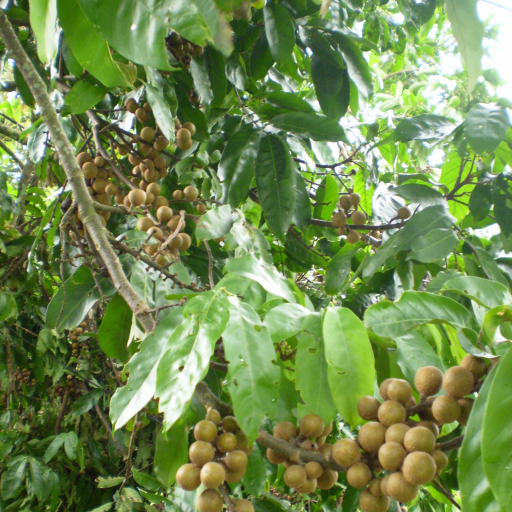
Plant Overview
Known as the American Muskwood or Carrapeta, this tropical giant is a cornerstone of the Amazon and Caribbean forests. It earns its nickname from the heavy, musky fragrance released by its wood and bark. While it is a massive canopy tree in the wild, it is often admired by hobbyists for its lush, feathered foliage and its incredible role in supporting tropical biodiversity.
🔍 How to Identify
- 🍃 Leaf Structure: Features large, glossy green leaves arranged in a "pinnate" (feather-like) pattern. A unique trait is that the leaf tips can continue to grow new leaflets even after the leaf has matured.
- 🥥 The Fruit: It produces rounded, woody capsules that turn a leathery reddish-brown. When they ripen, they split open to reveal striking, fleshy seeds coated in a brilliant orange-red skin.
- 🪵 The Bark: The trunk is typically straight with greyish-brown bark that may peel in thin flakes, often hiding the "musky" scented wood beneath.
🏡 In Your Garden
- 🌳 Space & Scale: This is a large-scale tree, not a container plant. It requires deep, fertile soil and plenty of vertical space, making it better suited for large estates or reforestation projects than small suburban yards.
- 🐦 A Bird's Buffet: If you have the space to grow one, expect a flurry of activity. The oily, bright seeds are a primary food source for many tropical birds, who act as the tree's main seed dispersers.
- 🌧️ Climate Needs: It is a child of the tropics. It thrives in high-humidity environments and does not tolerate frost. It prefers "wet feet" over drought, often found growing near riverbanks in the wild.
⚠️ Safety & Toxicity
- 🚫 Status: Toxic if ingested.
- 🐾 Details: The seeds and bark contain various alkaloids and saponins. While birds eat the fleshy coating of the seeds, the seeds themselves and the bark can cause severe vomiting and distress in humans and household pets if swallowed.
✨ Fun Fact
The Guarea guidonia is a botanical oddity because of its "ever-growing" leaves. Most plants grow a leaf to a set size and stop, but the leaves of the Muskwood have a bud at the tip that can stay active for months, continuously adding new leaflets to the end of the existing leaf!

Detailed Care Instructions
To grow the Guarea Guidonia plant, also known as the West Indian Cedar, you can follow these steps:
- Climate and Location: Guarea Guidonia is a tropical tree that thrives in warm and humid climates. It requires a minimum temperature of 60°F (16°C) and is ideally suited for USDA hardiness zones 10-11. Choose a location with full sun or partial shade.
- Soil: The plant prefers well-draining soil with a slightly acidic to neutral pH level. Prepare the soil by mixing organic matter, such as compost or peat moss, to improve fertility and drainage.
- Planting: Start by obtaining Guarea Guidonia seeds or seedlings from a reputable nursery or seed supplier. Prepare the planting hole to be twice as wide and deep as the root ball or seedling container. Gently remove the plant from its container or sow the seeds directly into the hole. Backfill with soil and firmly press around the base.
- Watering: Provide regular and consistent watering to keep the soil moderately moist, but not waterlogged. Water deeply whenever the top inch of soil feels dry. Be careful not to let the soil dry out completely.
- Fertilization: Guarea Guidonia generally doesn't require frequent fertilization. However, you can apply a slow-release balanced fertilizer in spring and mid-summer to promote healthy growth. Follow the instructions on the fertilizer package for the correct application rates.
- Pruning: Prune the plant to remove any dead or damaged branches. Regular pruning can help maintain a desirable shape and size. It's best to prune during the dormant season in late winter or early spring.
- Mulching: Apply a layer of organic mulch, such as wood chips or bark, around the base of the plant to conserve moisture, suppress weed growth, and moderate soil temperature.
- Protection: In colder climates, provide protection, such as covering the plant with a frost blanket, during freezing temperatures.
- Pest and Disease Control: Monitor the plant for common pests like aphids, mealybugs, and scale insects. Use appropriate insecticidal soaps or horticultural oil, following label instructions. Regularly inspect the leaves for signs of diseases like leaf spots or powdery mildew. If necessary, apply fungicides or seek advice from a local plant specialist.
- Patience: Guarea Guidonia is a slow-growing tree, so be patient while it establishes and grows. It may take several years to reach its full potential height, which can range from 20 to 60 feet (6 to 18 meters).
Remember to check local regulations before planting Guarea Guidonia, as it may be considered invasive in some regions.

1. First, ensure that the soil surrounding the plant is moist before watering it.
2. Water the plant at the base, avoiding its leaves and flowers, as this could cause damage.
3. Use a watering can or hose with a gentle flow setting to avoid overwatering and drowning the plant.
4. Water the plant deeply and infrequently, allowing the soil to dry out slightly between watering sessions.
5. Consider the plant's natural habitat and climate, as this can impact its water needs. Adjust the frequency and amount of watering accordingly.
To fertilize this plant, apply a balanced, slow-release fertilizer in the early spring before new growth emerges. Use a fertilizer with equal amounts of nitrogen, phosphorus, and potassium and apply according to the package instructions. Avoid over-fertilizing as this can lead to burning or damage to the roots. Water the plant thoroughly after fertilizing.
The Guarea Guidonia plant grows well in well-draining soils that are rich in organic matter and nutrients. The pH of the soil should be slightly acidic to neutral, with a range of 5.5 to 7.5. It requires moist soil but not overly wet, so maintaining proper drainage is essential in preventing root rot and other issues. The soil should also be loose enough to allow for proper root establishment and development. Adding compost or organic matter is recommended for improving soil quality, maintaining moisture levels, and promoting healthy plant growth. It is also recommended to avoid using heavy clay soils, as they can lead to poor drainage and waterlogged conditions.
To propagate this plant, take a stem cutting that is approximately 6 inches long and remove the leaves from the bottom 2 inches of the stem. Dip the cut end of the stem in rooting hormone and place it in a pot with well-draining soil. Keep the soil moist and in a warm, humid location until the cutting has rooted and new growth appears. Once the new plant has grown several inches, it can be transplanted into a larger container or outdoors in a suitable location. It is important to note that this plant may take several months to root properly, so patience is key.








