Plant Overview
Known affectionately as the "Poor Man’s Umbrella" (Sombrilla de Pobre), Gunnera insignis looks like a living relic from the Jurassic era. Native to the misty cloud forests of Central America, this plant is famous for its massive, architectural foliage that locals once used to shield themselves from sudden tropical downpours. It creates a prehistoric atmosphere in any landscape, turning a simple garden corner into a lost world.
🔍 How to Identify
- ☂️ Gigantic Leaves: The leaves are the star of the show, reaching up to six feet across. They are roughly heart-shaped with deeply lobed edges and a sandpaper-like texture.
- 🌵 Prickly Stems: The thick, fleshy petioles (leaf stalks) are often a striking reddish-pink and are covered in small, soft-yet-sharp spines.
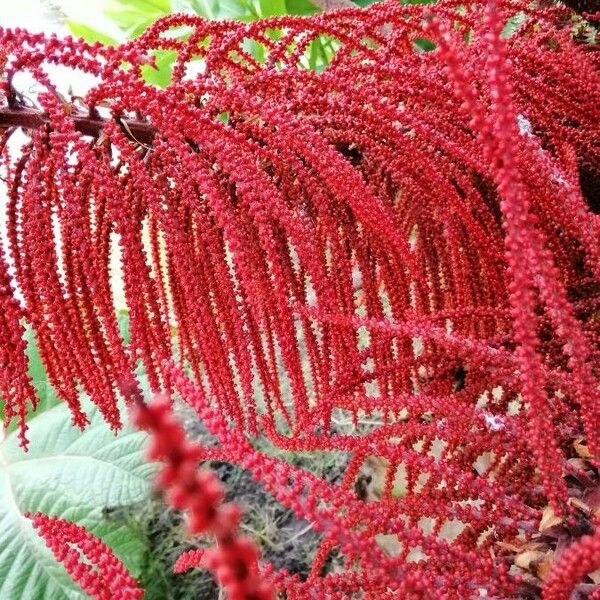
- 🌽 Club-like Blooms: Instead of traditional petals, it produces a massive, upright, conical inflorescence that looks like a reddish-brown cob or club emerging from the center of the plant.
🏡 In Your Garden
- 💧 The "Wet Feet" Rule: This plant is semi-aquatic at heart. It thrives near ponds or in boggy areas where the soil never dries out. If the soil goes dry, those magnificent leaves will wilt and brown almost instantly.
- ☁️ Cloud Forest Vibes: Unlike many tropical plants, Gunnera insignis dislikes extreme heat. It prefers the "eternal spring" climate—cool, damp air and dappled sunlight. In hot climates, it must be shielded from the afternoon sun to prevent leaf scorch.
- 📐 Space Requirements: Give it room to breathe! This is not a plant for a small pot. Its wide-spreading habit means it can easily take over a pathway or crowd out smaller neighbors.
⚠️ Safety & Toxicity
- 🟢 Non-Toxic: Gunnera insignis is not known to be chemically poisonous to humans, dogs, or cats.
- 🌵 Mechanical Irritation: While not toxic, the stems and the undersides of the leaves are covered in prickly spines. These can cause scratches or skin irritation if handled without gloves. It is best placed away from high-traffic areas where children might run into it.
✨ Fun Fact
Gunnera insignis has a "secret superpower": it is the only known flowering plant that hosts a symbiotic relationship with nitrogen-fixing cyanobacteria (Nostoc) inside its own cells. This allows the plant to "create its own fertilizer" and thrive in the volcanic, nutrient-poor soils of the Central American highlands!

Detailed Care Instructions
To grow Gunnera insignis, also known as giant rhubarb or dinosaur food, follow these steps:
- Climate: Gunnera insignis grows best in cool, moist, and shaded areas. It can tolerate temperatures of 20-25°C (68-77°F) during the summer but needs cooler temperatures between 8-15°C (46-59°F) during the winter. It is ideal for USDA hardiness zones 7-10.
- Soil: Choose a location with well-draining, fertile soil rich in organic matter. Amend the soil with compost or well-rotted manure to improve its fertility and moisture-holding capacity.
- Planting: Plant Gunnera insignis in spring or autumn. Dig a hole deep enough to accommodate the plant's root ball. Place the root ball in the hole and backfill with soil. Pat the soil gently to remove any air pockets. Ensure the crown of the plant is level with or slightly above the ground surface.
- Watering: Gunnera insignis requires consistent moisture. Regularly water to keep the soil evenly moist, especially during dry spells or hot weather. However, avoid overwatering as it can cause rotting.
- Mulching: Apply a thick layer of organic mulch, such as wood chips or leaf litter, around the base of the plant. Mulching helps conserve moisture, suppresses weeds, and protects the shallow root system during winter.
- Fertilizing: Feed Gunnera insignis with a balanced, slow-release fertilizer in early spring. Follow the instructions on the fertilizer packaging for the correct dosage.
- Pruning: In late autumn or early winter, after the first frost, cut back the leaves to improve the plant's hardiness during winter. This also helps prevent excessive water loss through transpiration.
- Protection: Providing adequate winter protection is crucial in colder regions. Create a mound of soil or apply a thick layer of straw around the plant's crown. This will insulate the roots from freezing temperatures.
- Pests and diseases: Gunnera insignis is relatively pest and disease-resistant. However, it may occasionally suffer from slug or snail damage. Use organic slug and snail control methods if necessary.
- Propagation: Gunnera insignis can be propagated from seeds or divided by carefully separating the rhizomes. Sow seeds in a seed tray with a moist, well-draining seed-starting mix and keep them warm and moist until germination. Divide established plants in early spring before the new growth emerges.
Remember to check local regulations as Gunnera insignis can be invasive in some areas.

1. Determine the water requirements of the plant based on its natural habitat and growing conditions.
2. Choose a watering method that suits the plant's needs, such as watering deeply and infrequently or watering lightly and more frequently.
3. Use a well-draining soil mix to ensure that excess water doesn't accumulate in the roots.
4. Water the plant at the base, avoiding getting the leaves wet as this can lead to disease.
5. Monitor the soil moisture regularly, and adjust the watering schedule as needed based on the soil's dryness.
6. During hot and dry weather, increase the frequency of watering to prevent the plant from drying out.
7. Avoid overwatering the plant as this can lead to root rot and other issues.
8. Consider using rainwater or distilled water, as some water sources can contain harmful chemicals or minerals that can damage the plant.
9. Lastly, observe the plant's growth and health to ensure that it is thriving under the watering conditions provided.
To fertilize this specific plant, use a balanced fertilizer such as 10-10-10 during the growing season. Apply the fertilizer in early spring, early summer, and again in mid-summer. Use a slow-release fertilizer to avoid damaging the roots. Spread the fertilizer evenly over the soil and water it well to help it penetrate the soil. Avoid over-fertilizing this plant as it can lead to excessive growth and weaken the plant.
The ideal soil for Gunnera Insignis plant is rich in organic matter, well-draining, and high in moisture retention. The pH of the soil should be slightly acidic to neutral, with a range of 5.5 to 7.0. The soil should also be deep, as the plant has a large taproot that can reach up to 1 meter deep. To promote healthy growth, it is recommended to mix the soil with compost or well-rotted manure. Additionally, it is important to maintain the soil's moisture level by watering the plants regularly, especially during periods of drought. Finally, adding a layer of mulch around the plants can help to retain soil moisture and prevent weeds from growing.
Gunnera Insignis is propagated by dividing the rhizomes of the parent plant. To do this, carefully lift the parent plant out of the ground and gently separate the offshoots from the main plant. Each offshoot should have its own set of roots and leaves. Plant each offshoot in its own hole that is deep enough to cover the roots but leave the crown of the plant exposed. Water well and keep the soil moist until new growth appears. This can be done in spring or fall.








