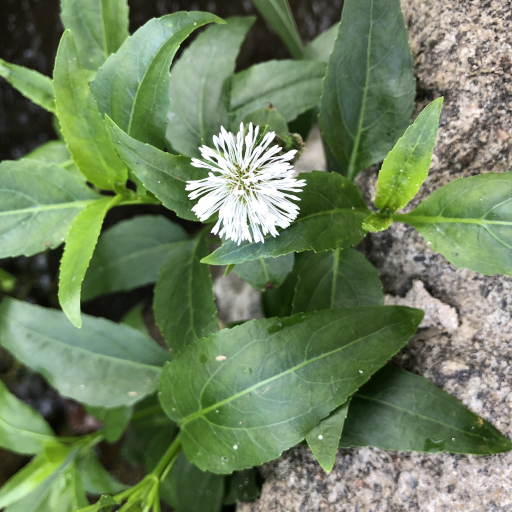
Plant Overview
Often called the Senegal Tea Plant, this lush, semi-aquatic beauty hails from South America. While it might look like a harmless, leafy addition to a pond or aquarium, it is known in the botanical world as a "green marathoner" due to its incredible growth speed. In many regions, it has transitioned from a popular ornamental plant to a notorious invader, capable of turning a clear stream into a dense green carpet in just a few seasons.
🔍 How to Identify
- 🍃 Jagged Leaves: The bright green leaves grow in opposite pairs and feature distinct, saw-toothed (serrated) edges that give the plant a crisp, sharp look.
- 🎋 Hollow Stems: The stems are thick, ribbed, and hollow, which allows the plant to float effortlessly on the water's surface while its roots stay submerged.
- ☁️ Pom-Pom Blooms: During the warmer months, it produces clusters of small, white, spherical flowers that resemble tiny buttons or fluffy pom-poms.
🏡 In Your Garden
- 💧 Water Lover: This plant doesn't just like water; it thrives in it. It prefers "wet feet," meaning it is best suited for the edges of ponds, marshy areas, or as a floating specimen in large aquariums.
- 🚀 Fragment Power: One of the reasons it is so hard to manage is that a tiny broken piece of stem can drift away and start a completely new colony. If you are growing it, ensure it is contained and never let clippings enter natural waterways.
- ☀️ Sun Seeker: It will grow in partial shade, but it truly takes off in full sun, where its leaves become more vibrant and its growth becomes nearly unstoppable.
⚠️ Safety & Toxicity
- 🌿 Low Toxicity: The Senegal Tea Plant is generally considered non-toxic to humans and common household pets like dogs and cats.
- 🚫 Ecological Hazard: The real "safety" concern is environmental. It is a highly invasive species in many parts of the world (especially Australia and New Zealand). It can choke out native plants and kill off aquatic life by depleting oxygen in the water. Always check local regulations before planting.
✨ Fun Fact
The Senegal Tea Plant is such a fast grower that under perfect conditions, it can increase its biomass by nearly 15 centimeters (about 6 inches) in a single week! This "superpower" makes it a favorite for nutrient export in managed tanks but a nightmare for park rangers.

Detailed Care Instructions
To grow Gymnocoronis Spilanthoides, also known as Giant Red Rotala or Toothcup, you can follow these steps:
- Planting: Choose a suitable location in your aquarium or pond. Gymnocoronis Spilanthoides thrives in a well-lit area with moderate water movement.
- Substrate: Provide a nutrient-rich substrate like aquatic soil or a specialized aquarium planting substrate. This will supply the necessary nutrients for the plant's growth.
- Water conditions: Gymnocoronis Spilanthoides prefers slightly acidic to neutral water conditions with a pH range of 6.5-7.5. Maintain a water temperature between 70°F to 82°F (21°C to 28°C).
- Lighting: Adequate lighting is crucial for the plant's health and growth. Provide moderate to high-intensity lighting for 10-12 hours a day. Use fluorescent tubes or LED lights specifically designed for aquatic plant growth.
- CO2 injection: Supplementing carbon dioxide (CO2) in the aquarium can accelerate the growth of Gymnocoronis Spilanthoides. You can use a CO2 injection system for this purpose, or opt for liquid CO2 additives if you prefer a simpler method.
- Pruning and propagation: Regularly trim and prune Gymnocoronis Spilanthoides to maintain its desired shape. It can be propagated by taking cuttings and planting them in the substrate.
- Fertilization: Provide regular fertilization using a liquid aquarium plant fertilizer or root tabs to ensure the plant receives essential nutrients.
- Water quality: Maintain good water quality by performing regular water changes and monitoring the levels of ammonia, nitrite, and nitrate. Stable water parameters are crucial for the plant's health.
- Algae control: Gymnocoronis Spilanthoides can be susceptible to algae growth. To prevent excessive algae, maintain a proper balance of lighting, CO2, and nutrient levels.
- Careful handling: Gymnocoronis Spilanthoides is a delicate plant, so handle it with care during planting and maintenance activities to avoid damaging the stems or leaves.
Following these guidelines should help you successfully grow Gymnocoronis Spilanthoides in your aquarium or pond.

Place in a bright room that is sun drenched almost all day. Or directly in a south-facing window.

To properly water this type of plant, it is important to consider the environment in which it is growing. Factors such as the temperature, humidity, and light levels will all play a role in how often and how much water the plant needs.
The first step in watering the plant is to check the soil moisture level. This can be done by sticking your finger about an inch into the soil and feeling for moisture. If the soil feels dry to the touch, it is time to water.
When watering, it is important to avoid getting water on the leaves or foliage of the plant, as this can lead to fungal growth or damage to the plant. Instead, water the soil slowly and evenly, allowing the water to soak in before adding more.
It is also important not to over-water the plant, as this can lead to root rot or other issues. Allow the soil to dry out slightly in between watering, and pay attention to any signs of over-watering, such as yellowing leaves or a mushy stem.
Overall, the key to successfully watering this plant is to pay close attention to its individual needs and to provide water in a way that keeps the plant healthy and thriving.
To fertilize this plant, start by choosing a high-quality balanced fertilizer that has equal amounts of nitrogen, phosphorous, and potassium. Begin fertilization once the plant starts actively growing, usually in the spring. Apply the fertilizer every two weeks during the growing season, being careful not to over-fertilize which can damage the plant. Dilute the fertilizer according to the instructions on the label and apply it to the soil around the base of the plant. Water thoroughly after fertilization to help nutrients penetrate the soil and reach the plant's roots.
For Gymnocoronis Spilanthoides plant, it is recommended to use soil that is well-draining and rich in nutrients. The soil should have a pH range of 6.0-7.5, which is slightly acidic to neutral. It is also important to ensure that the soil has good aeration to prevent waterlogging, which can lead to root rot. Adding organic matter such as compost or peat moss can help improve the soil's fertility and moisture retention. Additionally, a layer of mulch on top of the soil can help regulate soil temperature and moisture levels. It is important to avoid using heavy soils that do not drain easily, as this can lead to poor plant growth and ultimately, plant death. Overall, the ideal soil for Gymnocoronis Spilanthoides plant is a well-balanced, nutrient-rich, and well-draining soil that provides the necessary support for healthy growth.
One method of propagating this plant is by taking stem cuttings. First, select a healthy plant with several stems. Using sterile pruning shears, cut a stem from the plant that is 4 to 6 inches long and has several leaves. Remove the bottom leaves from the stem, leaving only two or three leaves at the top. Dip the cut end of the stem in rooting hormone powder to encourage root growth.
Next, prepare a pot with well-draining soil and make a hole in the soil with a pencil or similar object. Insert the stem cutting into the hole and gently firm the soil around it. Water the cutting lightly and cover the pot with a clear plastic bag to create a mini greenhouse environment.
Place the pot in a bright, but indirect light location and keep the soil moist, but not soggy. Check the cutting every few days for any signs of wilt or mold. After a month or two, the cutting should have developed roots and can be transplanted into a larger pot or your desired location in the garden.








