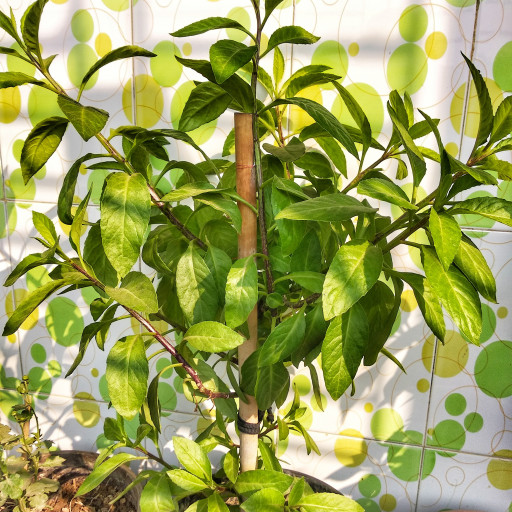
Plant Overview
Often hailed as the "Longevity Spinach" or "Sambung Nyawa," this vibrant green perennial is a staple in Southeast Asian home gardens. It has earned a reputation as a "miracle leaf" in traditional medicine, where it is frequently used to support metabolic health. While it is technically a scrambling vine, most hobbyists grow it as a lush, leafy bush or a cascading hanging plant.
🔍 How to Identify
- 🍃 The Leaves: Fleshy, smooth, and lance-shaped with slightly serrated (toothed) edges. Unlike its famous cousin, the Purple Passion plant, Gynura procumbens is a bright, solid green on both the top and bottom.
- 🌱 Growth Habit: It is a "scrambler" by nature. Without support, the stems will trail along the ground or spill over the sides of a pot, but it can be trained to climb a small trellis.
- 🌼 The Blooms: On rare occasions, it produces small, thistle-like clusters of orange or yellow flowers. These flowers have a distinct, somewhat musky scent that not everyone finds pleasant!
🏡 In Your Garden
- 💧 The "Droop" Signal: This plant is excellent at communicating; if it gets too thirsty, the leaves will limp and droop significantly. It prefers consistently moist soil but hates "wet feet," so ensure your pot has excellent drainage.
- ☀️ Filtered Light is Key: While it loves brightness, direct mid-day sun can scorch the tender foliage. It performs best in "dappled" sunlight—think of the light filtering through a sheer curtain or a larger tree canopy.
⚠️ Safety & Toxicity
- 🥗 Status: Generally considered safe and edible for humans. It is commonly eaten raw in salads, blended into smoothies, or sautéed like spinach.
- 🐾 Pets & Kids: It is widely recognized as non-toxic. However, because it is rich in certain alkaloids used for medicinal purposes, it's always wise to prevent pets from grazing on it excessively to avoid any potential stomach upset.
✨ Fun Fact
In Indonesia, the name "Sambung Nyawa" literally translates to "Extension of Life." This name stems from the ancient folkloric belief that regularly consuming the leaves could help a person live well into their hundreds by "binding" their life force.

Detailed Care Instructions
| Humidity | Normal |
| Lighting | Full Sun |
| Difficulty | Medium |
| Hibernation | Cold Period |
| Temperature | Min 18°C |
| Hardiness Zones | 9B - 11 |
To grow Gynura Procumbens plant, also known as Longevity Spinach or Okinawa Spinach, follow these steps:
- Purchase Seeds or Cuttings: You can either buy Gynura Procumbens seeds online or find a nursery that sells the plant or a cutting. If you choose to propagate from a cutting, make sure it has at least two nodes and remove any lower leaves.
- Soil and Pot Selection: Gynura Procumbens prefers well-draining soil. You can mix equal parts of regular potting soil, coco coir, and perlite to create a suitable growing medium. Choose a pot with drainage holes to avoid waterlogging.
- Planting: If using seeds, plant them about ¼ inch deep in the potting mix and lightly cover them with soil. Water the soil gently to keep it moist but not soggy. If using cuttings, dip the cut end into rooting hormone and insert it into the soil, then water thoroughly.
- Light and Temperature: Gynura Procumbens thrives in bright indirect sunlight. Place the pot in a location that receives 4-6 hours of sunlight per day. The plant prefers a temperature range between 60-85°F (15-29°C), so keep it in a warm environment.
- Watering: Water the plant regularly, ensuring the soil remains consistently moist. However, avoid overwatering as it can lead to root rot. Aim to keep the soil slightly damp, not completely dry or waterlogged, by checking the top inch of soil regularly.
- Fertilization: Gynura Procumbens is a low-maintenance plant, but you can fertilize it once a month during the growing season with a balanced, water-soluble fertilizer diluted to half its recommended strength.
- Pruning: To encourage bushier growth, pinch or prune the top of the plant regularly. This will help it branch out and become more compact.
- Pests and Diseases: Gynura Procumbens is generally resistant to pests and diseases. However, check the plant regularly for common pests like aphids or spider mites. If you spot any infestation, treat it with an appropriate insecticidal soap or neem oil.
- Harvesting: The leaves of Gynura Procumbens can be harvested when the plant has developed enough foliage, usually after 2-3 months. To harvest, snip the outer leaves near the stem, allowing the plant to continue growing.
Remember to be patient as Gynura Procumbens can have a slow initial growth rate. With proper care, the plant will flourish and provide you with a continuous supply of nutritious leaves.

Place in a window with dappled sun or a spot in the middle of a room. Or directly in a window facing west or east.

To water this plant, first determine if the soil is dry to the touch. If the top inch of soil feels dry, it is time to water. Use a watering can or hose with a gentle flow to avoid damaging the delicate leaves. Water until the soil is moist but not waterlogged. Allow excess water to drain away and empty the saucer beneath the pot. Watering this plant approximately once a week is recommended, but adjust frequency as needed depending on climate and humidity levels.
To fertilize this plant, use a balanced fertilizer with equal amounts of nitrogen, phosphorus, and potassium. Mix the fertilizer with water according to the manufacturer's instructions and apply it to the soil around the base of the plant. Avoid getting the fertilizer on the leaves or stems as this can cause burning. Fertilize every two weeks during the growing season and reduce or stop fertilization during the plant's dormant period. Always water the plant thoroughly before and after fertilizing.
The Gynura Procumbens plant prefers well-draining soil with adequate moisture levels. The soil should be a mixture of organic matter and a good quality potting mix. The pH level should be slightly acidic, ranging from 5.5 to 6.5. This type of soil provides the plant with the necessary nutrients to grow and thrive. It is important to avoid using heavy, clay soils or soils that are too dry, as they can affect the plant's growth and health. Additionally, using fertilizers during the growing season can help to maintain optimal soil conditions and promote healthy growth. Overall, the soil used for the Gynura Procumbens plant should be rich in nutrients, well-draining, and adequately moist to ensure its successful growth and development.
To propagate this plant, take a cutting from a healthy stem with at least three leaves. Use a sharp, sterile cutting tool to prevent damage to the plant. Remove the leaves from the bottom third of the cutting and dip it in rooting hormone. Place the cutting in a soilless mix of perlite and vermiculite and water well. Keep the cutting moist and in a bright, indirect light until roots form in 2-4 weeks. Once roots have formed, transplant the new plant into a pot with well-draining soil.
Common pests of the longevity spinach include Spider mites, aphids, thrips, whiteflies. Make a habit of checking your longevity spinach frequently for pests so that any infestations can be caught and managed early.








