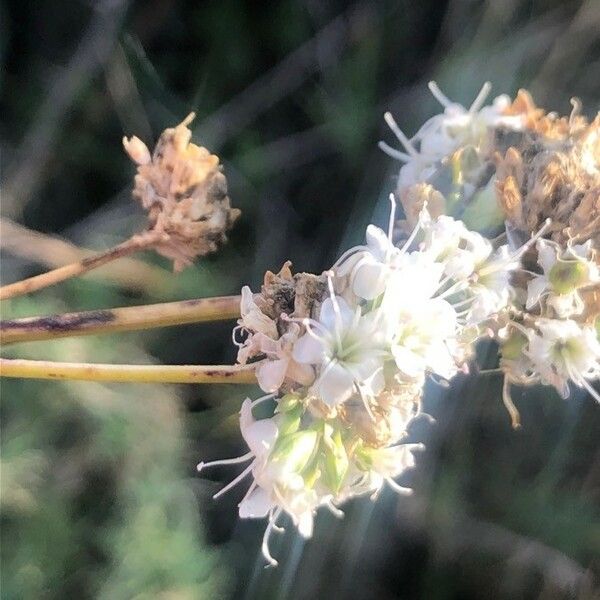
Plant Overview
Known as the "Lather-Maker of the Spanish Plains," Gypsophila struthium is a hardy survivor that turns rocky, gypsum-rich landscapes into clouds of delicate white blooms. Long before synthetic detergents were invented, Spanish villagers harvested this plant’s roots to wash their finest wools and linens, earning it a permanent place in Mediterranean folklore.
🔍 How to Identify
- 🌸 Bloom Style: Tiny, five-petaled white or pale pink flowers grow in dense, airy clusters (cymes), creating a "Baby’s Breath" effect that looks like a mist over the ground.
- 🌿 Foliage: The leaves are narrow, fleshy, and needle-like, usually appearing in a dusty blue-green (glaucous) hue to reflect intense sunlight.
- 🪵 Growth Habit: It is a "subshrub" with a woody base and stiff, upright stems that help it withstand the high winds of open Iberian plateaus.
🏡 In Your Garden
- ☀️ The Gypsum Specialist: This plant is a "gypsophile," meaning it naturally craves calcium-rich, alkaline soils. In a home garden, it will struggle in heavy clay or acidic peat; it needs gritty, well-draining soil to mimic its rocky home.
- 💧 Deep Taproot: Because it develops a long, singular taproot to find water deep underground, it is incredibly drought-tolerant but hates being transplanted. Choose its "forever home" carefully, as moving it often results in shock.
⚠️ Safety & Toxicity
- 🧼 Saponin Presence: The plant contains high concentrations of saponins—the natural chemicals that create soap suds. While historically useful for cleaning, these can be mildly toxic if eaten.
- 🐾 Pets & Skin: Ingestion may cause stomach upset, drooling, or vomiting in cats and dogs. Some gardeners with sensitive skin might experience mild irritation after handling the roots or broken stems, so gloves are recommended during pruning.
✨ Fun Fact
In the 18th and 19th centuries, the roots of the Spanish Soapwort were a valuable export; they were considered so superior for cleaning delicate textiles that they were used across Europe to wash royal tapestries and high-end woolens.

Detailed Care Instructions
To grow Gypsophila Struthium, also known as annual baby's breath, you can follow these steps:
- Choose a location: Gypsophila Struthium thrives in full sun, so select a spot that receives at least 6-8 hours of direct sunlight each day. Ensure the soil is well-drained, as the plant does not tolerate damp or waterlogged conditions.
- Prepare the soil: Prior to planting, loosen the soil using a garden fork or tiller. Remove any weeds, rocks, or debris and mix in organic matter, such as compost or well-rotted manure, to improve soil fertility and drainage.
- Planting: Moisten the soil before planting the Gypsophila Struthium seeds. Scatter the seeds evenly over the prepared soil, then lightly press them down to ensure good seed-to-soil contact. Space the seeds about 6-12 inches apart.
- Watering: After planting, water the soil thoroughly. Be careful not to overwater as this can lead to root rot. Maintain the soil evenly moist until the seedlings emerge, which usually takes around 10-14 days.
- Thinning: Once the seedlings are 2-3 inches tall, thin them out to maintain a spacing of about 12 inches between plants. Thin by carefully removing the excess seedlings, leaving only the healthiest and strongest ones.
- Mulching: Apply a layer of organic mulch, like straw or wood chips, around the base of the plants to retain moisture, suppress weed growth, and regulate soil temperature.
- Fertilizing: Gypsophila Struthium generally does not require much fertilization. However, if the soil is poor, you can apply a balanced, slow-release fertilizer at the beginning of the growing season, following the package instructions.
- Maintenance: Regularly check for pests, such as aphids or mites, and treat if necessary using organic methods or insecticidal soap. Remove any weeds that may compete with the plants for nutrients and water.
- Deadheading: To encourage prolonged blooming, deadhead the spent flowers by cutting them back to the base of the stem. This will redirect the plant's energy towards producing more flowers.
- Harvesting: Gypsophila Struthium produces delicate, airy flowers that can be harvested for decorative purposes. Cut the stems just as the flowers begin to open and immediately place them in water to keep them fresh.
By following these steps, you should be able to successfully grow Gypsophila Struthium and enjoy its beautiful blooms throughout the growing season.
To ensure proper hydration for the Gypsophila Struthium plant, follow these steps:
- Find a suitable watering container: Choose a watering can or a hose with a gentle spray nozzle that provides a fine mist to avoid damaging the delicate plant.
- Check the soil moisture level: Use your finger to gently test the soil's moisture level. Insert it about an inch deep into the soil near the plant's base. If it feels dry to the touch, it's time to water.
- Watering frequency: Generally, Gypsophila Struthium plants prefer moderate watering. The frequency may vary based on environmental conditions such as temperature and humidity. Water whenever the soil begins to dry out, but be cautious not to overwater, as excessive moisture can lead to root rot.
- Watering technique: Position the watering container close to the base of the plant to avoid wetting the foliage excessively. Slowly pour water onto the soil, allowing it to soak in gradually. Avoid pouring water too quickly, which can result in runoff and inadequate absorption by the plant's roots.
- Water amount: Provide enough water to moisten the soil thoroughly, but aim to avoid creating waterlogged conditions. The exact amount will depend on various factors, including the plant's size, stage of growth, and the weather conditions.
- Ensure proper drainage: Confirm that the pot or planting area has adequate drainage holes. If water accumulates at the bottom, consider adjusting the pot or amending the soil to improve drainage and prevent waterlogging.
- Observe the plant's response: Monitor the plant closely after watering. If you notice signs of water stress, such as drooping leaves or extreme wilting, it may indicate underwatering. Adjust the watering schedule accordingly to meet the plant's needs.
- Environmental considerations: Consider the plant's surroundings when determining watering needs. Factors such as air temperature, sunlight exposure, humidity levels, and wind can influence the plant's water requirements. For instance, plants in hot, dry climates may require more frequent watering compared to those in cooler, more humid environments.
Remember, each plant's water needs may differ. It is essential to assess the specific requirements of the Gypsophila Struthium plant and adjust watering practices accordingly for optimal growth and health.
- Begin fertilizing Gypsophila Struthium plant in early spring, once new growth emerges.
- Use a balanced, water-soluble fertilizer with equal amounts of nitrogen, phosphorus, and potassium.
- Dilute the fertilizer according to the instructions provided on the packaging, typically 1 tablespoon per gallon of water.
- Apply the diluted fertilizer to the soil around the base of the plant, taking care not to splash it on the leaves.
- Water the plant immediately after fertilizing to help the nutrients seep into the soil.
- Repeat fertilization every four to six weeks during the growing season.
- Avoid over-fertilizing the Gypsophila Struthium plant, as this can lead to excessive foliage growth and weaker blooms.
- During the winter months, reduce or stop fertilization as the plant enters its dormant phase.
- Monitor the plant's health and adjust the fertilization schedule or dosage if signs of nutrient deficiencies or excesses occur.
- Always follow the specific fertilizer instructions and consult with a gardening expert for personalized advice on feeding Gypsophila Struthium.
Gypsophila Struthium, also known by its common names, is a delicate and elegant plant that requires specific soil conditions to thrive. The ideal soil type for Gypsophila Struthium is well-draining and sandy. It should have excellent drainage properties to prevent waterlogging, as excessive moisture can lead to root rot and other issues.
The pH level of the soil should be slightly acidic to neutral, ranging from 6.0 to 7.0. This range promotes healthy nutrient absorption and overall plant growth. It is advisable to conduct a soil test to determine the pH level and make necessary amendments if required.
In terms of texture, the soil for Gypsophila Struthium should be light and loose. This allows the roots to penetrate easily, ensuring better water absorption and nutrient uptake. A sandy soil composition is beneficial as it provides sufficient aeration and prevents compaction.
It is important to amend the soil with organic matter, such as compost, well-rotted manure, or leaf mold. These additions enhance the soil structure, improve nutrient content, and promote microbial activity, which aids in overall plant health.
Furthermore, Gypsophila Struthium prefers a soil that is moderately fertile. While excessive fertility may result in excessive foliage growth instead of flower production, poor fertility can cause stunted growth and weak plants. Regularly adding balanced fertilizer or organic amendments can help maintain the necessary nutrient levels for optimal growth.
Overall, providing a well-draining, slightly acidic to neutral, sandy soil enriched with organic matter is fundamental for successful cultivation of Gypsophila Struthium. This ensures that the plant receives the necessary nutrients, moisture, and oxygen for robust growth and abundant flowering.
To propagate Gypsophila Struthium plant, follow these detailed steps:
- Select a mature and healthy plant as the parent plant for propagation. Ensure that it is free from diseases, pests, and any other issues.
- Prepare a clean and sharp garden pruner or a pair of scissors. Make sure they are sterilized by wiping them with rubbing alcohol or dipping them in boiling water to prevent the spread of diseases.
- Identify suitable stems for propagation. Look for young, green, and flexible stems rather than old and woody ones. These stems should be free from any flowers or buds.
- Cut the selected stem from the parent plant just below a leaf node (where leaves emerge) using the pruner or scissors. Make a clean-cut at an angle to increase the surface area for rooting.
- Remove any leaves on the lower half of the stem, leaving a few at the top to support the cutting.
- Prepare a suitable rooting medium for the cuttings. This can be a mixture of well-draining soil or a combination of perlite and peat moss to provide good aeration and moisture retention.
- Moisten the rooting medium slightly to provide the right environment for root development.
- Dip the cut end of the stem into a rooting hormone powder or gel, which can enhance the chances of successful rooting.
- Make a planting hole in the rooting medium using a pencil or any other suitable tool.
- Insert the prepared stem into the planting hole and gently press the soil around it to ensure good contact.
- Repeat the above steps for multiple cuttings, leaving enough space between each cutting to avoid overcrowding.
- Place the cuttings in an area with indirect bright light or under grow lights. Avoid exposing them to direct sunlight as it can cause stress and burn the delicate cuttings.
- Maintain a warm and humid environment around the cuttings. You can cover them with a clear plastic bag or place them in a propagator to maintain the necessary humidity levels.
- Water the cuttings carefully to keep the rooting medium moist but not waterlogged. Avoid overwatering as it can lead to rotting.
- Check the cuttings periodically for any signs of rooting. This process may take several weeks to months, depending on the conditions and plant species.
- Once the roots have developed, carefully transplant the rooted cuttings into individual pots with well-draining soil.
- Continue caring for the propagated plants by providing them with adequate light, water, and nutrients as they grow.
By following these detailed steps, you can propagate Gypsophila Struthium plant successfully and expand your collection.








