Plant Overview
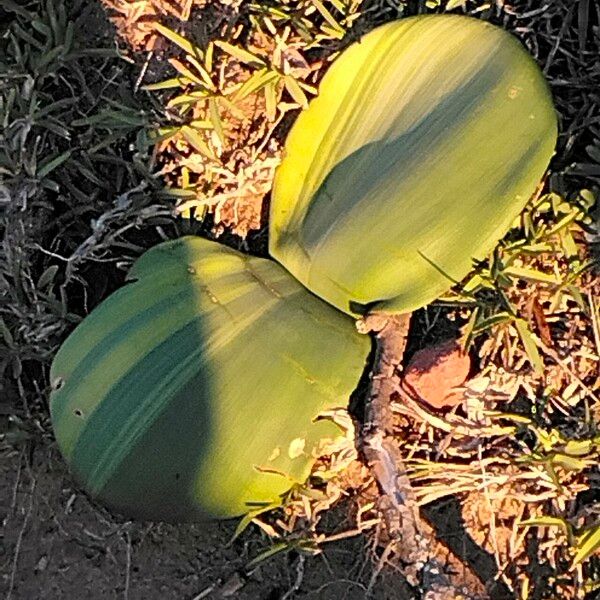
Known as the Blood Lily or the Rooikwas, Haemanthus sanguineus is a botanical showstopper from the rocky slopes of South Africa. This bulbous plant is famous for its dramatic, paintbrush-like crimson flowers that emerge suddenly from the bare earth, earning it the nickname "April Fool" in its native region because it blooms just as the dry season ends. It is a master of timing, waiting for the first hints of autumn to put on a fiery display.
🔍 How to Identify
- 🖌️ The Flower: A dense, rounded cluster of tiny star-shaped flowers with protruding stamens, making the entire head look like a bright red shaving brush dipped in pollen.
- 🍃 The Leaves: Usually, only two large, leathery leaves appear after the flower has faded. They are tongue-shaped, often pressed flat against the ground, and can grow quite large and fleshy.
- 🎋 The Stem: The flowering stalk is thick, sturdy, and a deep maroon or speckled red, standing about 10–30 cm tall without any foliage to distract from its color.
🏡 In Your Garden
- 💤 Summer Dormancy: This plant follows a strict "sleep schedule." It disappears completely during the heat of summer. If you grow it in a pot, resist the urge to water it when the leaves die back, or the bulb will rot.
- 🔥 The Fire Trigger: In the wild, these plants are often "smoke-stimulated." They evolved to bloom most spectacularly after summer bushfires, using the cleared land and ash-enriched soil to show off their vibrant red hues.
- 🏜️ Gritty Soil: Because it originates from rocky fynbos and mountainsides, it demands perfect drainage. It hates "wet feet" and thrives in a sandy, gritty mix that mimics its South African home.
⚠️ Safety & Toxicity
- 🚫 Status: Toxic if ingested.
- 🐾 Details: Like many members of the Amaryllis family, the bulb contains lycorine and other alkaloids. Keep this plant away from curious pets (cats and dogs) and toddlers, as ingestion can cause vomiting, salivation, and digestive distress.
✨ Fun Fact
The Blood Lily is a favorite of the Mountain Pride Butterfly. These butterflies are specifically attracted to the color red, and they serve as the plant's primary pollinators, hopping from one "brush" to the next in search of nectar!

Detailed Care Instructions

Place in a bright room that is sun drenched almost all day. Or directly in a south-facing window.

When the top few inches of soil dry out, water your plants. If the top few inches of soil are still moist, do not water your plant. Wait a few days, then poke your finger into the soil to see if anything has changed. Overwatering poses a disease risk, such as the development of fungal diseases in the roots. These plants have adaptations in there leaves that allow them to survive in low water supply.







