Plant Overview
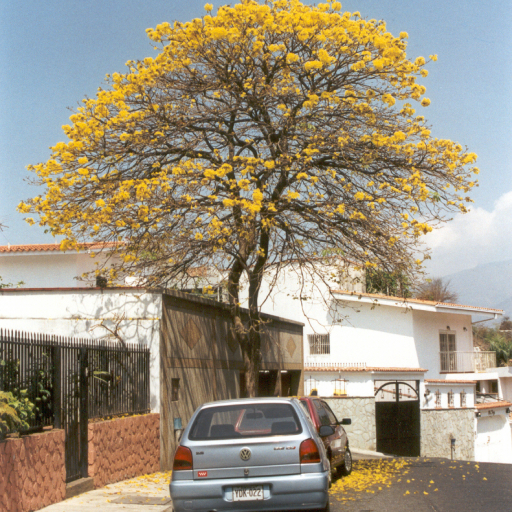
Often called the "Araguaney" or the Golden Trumpet Tree, this species is nature’s way of celebrating the arrival of spring or the end of a dry season. It is most famous for its dramatic "striptease"—it sheds every single leaf to make room for a massive, breathtaking crown of pure gold flowers. In its native South America, it stands as a national symbol of resilience and radiant beauty.
🔍 How to Identify
- 🎺 The Blooms: Clusters of bright, lemon-yellow flowers shaped like trumpets or bells, often appearing before the new leaves emerge.
- 🖐️ The Leaves: Opposite, palmate leaves (shaped like a hand) typically consisting of five leaflets with a slightly fuzzy texture when young.
- 👵 The Bark: Thick, grayish-brown bark that develops deep, vertical fissures and ridges as the tree matures.
🏡 In Your Garden
- ☀️ Sun Worshipper: This tree requires full, direct sunlight to fuel its spectacular floral show; in shade, it will become leggy and produce fewer blooms.
- 💧 Drought Strategy: It is highly drought-tolerant once established, but it prefers a "tough love" approach—well-draining soil is a must, as "wet feet" can lead to root rot.
- 🌳 Deep Foundations: Because it develops a strong, deep taproot, it is notoriously difficult to transplant once it has settled in. Choose its "forever home" in your garden carefully.
⚠️ Safety & Toxicity
- 🛡️ Generally Safe: The Golden Trumpet Tree is not considered significantly toxic to humans or common household pets.
- 🧴 Skin Sensitivity: While not poisonous, the sap or the fine hairs on new growth can cause mild skin irritation or "contact dermatitis" in sensitive individuals or professional gardeners.
- 🚫 Seed Pods: While not deadly, it is best to keep children from playing with or ingesting the long, bean-like seed pods that appear after flowering.
✨ Fun Fact
The Handroanthus chrysanthus is the National Tree of Venezuela. Its wood is so incredibly dense and heavy that it is sometimes called "Ironwood"; in the past, it was so sturdy that it was even used to make the axles of oxcarts!

Detailed Care Instructions
To grow Handroanthus chrysanthus plants, also known as Yellow Trumpet Trees or Golden Trumpet Trees, you can follow these steps:
- Climate: Handroanthus chrysanthus plants thrive in tropical or subtropical regions. They prefer full sun and warm temperatures.
- Soil: The plant prefers well-draining soil that retains some moisture. It is important to provide good drainage as the roots can rot in waterlogged soil. A sandy loam soil mixed with organic matter works well.
- Planting: Select a suitable location that receives full sun. Dig a hole twice as wide and deep as the plant's root ball. Place the plant in the hole, backfill it with soil, and gently tamp it down to remove air pockets.
- Watering: Young plants require regular watering. Water deeply at planting and then keep the soil moderately moist but not waterlogged. Once established, they can tolerate drought well.
- Fertilizer: Apply a well-balanced slow-release fertilizer during the growing season, following the package instructions. This will provide essential nutrients to help the plant grow.
- Pruning: Prune the tree in late winter or early spring to remove dead or damaged branches and to shape it. Regular pruning will help maintain a compact and attractive shape.
- Mulching: Apply a layer of organic mulch, like wood chips or compost, around the base of the plant. This will help retain soil moisture, suppress weed growth, and provide nutrients as it breaks down.
- Support: Handroanthus chrysanthus trees may require staking when young to help them establish a sturdy trunk. Use stakes and tie the tree gently using soft materials to avoid damaging the bark.
- Pest and disease control: Monitor the plant regularly for pests like aphids or scales, as well as any signs of diseases such as leaf spots or root rot. Treat any issues promptly with appropriate measures such as insecticidal soap or fungicides if necessary.
- Propagation: Handroanthus chrysanthus trees can be propagated from seeds or cuttings. Seeds should be sown in a well-drained soil mix, kept warm and moist. Cuttings can be taken from semi-hardwood branches and rooted in a rooting hormone and well-draining planting medium.
Remember, Handroanthus chrysanthus plants can take several years to reach their full potential, so patience is key. Enjoy their beautiful yellow trumpet-shaped flowers and their ability to attract hummingbirds to your garden!

Place in a bright room that is sun drenched almost all day. Or directly in a south-facing window.

Watering the Handroanthus Chrysanthus plant involves providing it with an adequate amount of water, based on its individual needs and environmental conditions. To do this, you should first determine the plant's specific water requirements. This may involve researching its natural habitat and typical growing conditions, as well as consulting with a gardening professional or plant specialist.
Once you have a good understanding of the plant's water needs, you can begin to establish a watering routine. This may involve regularly checking the moisture level of the soil, and adjusting watering frequency and amount accordingly. Generally, the Handroanthus Chrysanthus plant prefers moist, well-draining soil, and may require more frequent watering during periods of hot, dry weather.
When watering the Handroanthus Chrysanthus plant, it is important to avoid over-watering, which can lead to root rot and other plant health problems. To prevent this, you should ensure that the soil is allowed to dry out slightly between watering sessions, and that excess water is allowed to drain away from the roots.
Overall, successful watering of the Handroanthus Chrysanthus plant will involve careful attention to its specific needs and environmental conditions, as well as a commitment to providing it with adequate water while avoiding over-watering.
- Choose a well-draining pot or prepare a garden bed with loose soil for your Handroanthus Chrysanthus plant.
- Before planting, mix a slow-release fertilizer into the soil according to the package instructions. This will provide nutrients to the plant over time.
- Water the plant thoroughly before applying any fertilizers.
- For potted Handroanthus Chrysanthus plants, use a water-soluble fertilizer with a balanced NPK ratio (such as 10-10-10) once a month during the growing season. Dilute the fertilizer according to the package instructions and apply it to moist soil.
- For garden beds, scatter a balanced granular fertilizer (such as 10-10-10) around the base of the plant, avoiding direct contact with the stems. Gently work the granules into the top layer of soil using a garden fork or rake.
- Water the plant thoroughly after applying fertilizers to help the nutrients reach the roots.
- Monitor the foliage for any signs of nutrient deficiencies, such as yellowing or stunted growth. If detected, adjust the fertilizer application accordingly.
- During the winter months or when the plant is dormant, reduce or stop fertilizing as Handroanthus Chrysanthus may require a rest period.
- Always follow the manufacturer's instructions for the specific fertilizers you use and adjust the fertilizing routine based on the overall health and growth of your Handroanthus Chrysanthus plant.
The Handroanthus Chrysanthus plant prefers a specific type of soil that is well-draining and rich in nutrients. The ideal soil for this plant is a mixture of loam, sandy soil, and peat moss, with a pH level of 5.5 to 6.5.
Loam soil provides a good balance of sand, silt, and clay, making it ideal for water and nutrient retention. Sandy soil, on the other hand, allows for good drainage and helps to prevent waterlogging. Peat moss is also essential as it helps to aerate the soil and promote healthy root growth.
It is important to note that the soil should be free of any chemicals or pesticides that may harm the plant. It is recommended that you use organic fertilizer or compost to maintain the health of the soil and promote strong growth.
Overall, providing the right type of soil is crucial to the success of growing Handroanthus Chrysanthus plant and ensuring that it thrives in its environment.
To propagate this plant, you will need to take stem cuttings from a healthy and mature plant. Select a stem that is at least 4 inches long and contains several nodes. Then, use a clean and sharp knife to make a clean cut just below a leaf node.
Remove the lower leaves on the stem, leaving only a few leaves at the top. Dip the cut end of the stem in rooting hormone powder to encourage root growth.
Fill a small container with a well-draining potting mix and make a small hole in the soil. Insert the stem cutting into the hole and gently press the soil around it.
Water the cutting well and cover the container with a plastic bag or a clear plastic dome to create a humid environment. Place the container in a warm and bright location, but out of direct sunlight.
After a few weeks, new roots should start to form. Once the cutting has established roots, you can transplant it into a larger pot with fresh potting soil. Gradually introduce the plant to more light and decrease the humidity by removing the plastic cover over time.
With proper care and maintenance, your new Handroanthus Chrysanthus plant will grow into a mature and healthy specimen.








