Plant Overview
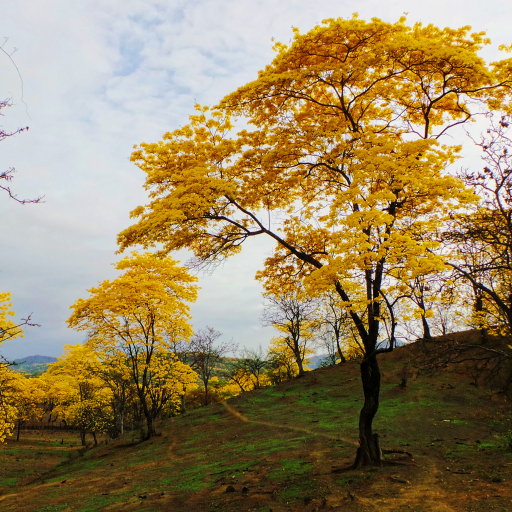
Known as the "Yellow Giant" of the tropical forest, the Guayacán is famous for its breathtaking, synchronized blooming events that transform entire landscapes into a sea of gold. Found natively from Mexico through Central America and into the Amazon, this tree is revered not only for its beauty but for its "iron-like" wood, which is among the hardest and heaviest in the world. In many cultures, its flowering is a celestial signal that the rainy season has arrived.
🔍 How to Identify
- 🌼 The Bloom: Large, trumpet-shaped flowers of a brilliant, pure yellow. They often appear all at once on bare branches, creating a "solid gold" canopy before the leaves return.
- 🖐️ Leaf Shape: Features palmately compound leaves (shaped like a hand) with five to seven leaflets that radiate from a single point.
- 🪵 The Bark: Mature trees have thick, grayish-brown bark with deep vertical fissures, reflecting their rugged and long-lived nature.
🏡 In Your Garden
- 🌳 Space Requirements: This is a majestic canopy tree that can reach towering heights. Because of its size and expansive root system, it should never be planted close to house foundations, sidewalks, or underground pipes.
- 💧 Drought Strategy: The Guayacán is a master of survival; it often drops its leaves during the peak of the dry season to conserve energy, only to burst into flower at the first hint of moisture.
- ☀️ Sun Seeker: To witness that iconic golden explosion, the tree requires full, unobstructed sunlight. It will struggle and produce fewer flowers if shaded by taller structures or trees.
⚠️ Safety & Toxicity
- ✅ General Safety: The Guayacán is considered non-toxic to humans, dogs, and cats. It is a popular choice for public parks and large residential estates because it lacks thorns or poisonous sap.
- 🪵 Dust Irritation: While the living tree is safe, the sawdust from its extremely dense wood can cause respiratory or skin irritation for woodworkers due to the high concentration of natural oils and lapachol.
✨ Fun Fact
The wood of the Guayacán is so incredibly dense and heavy that it does not float; if you toss a seasoned block of this "Ironwood" into a river, it will sink straight to the bottom like a stone!

Detailed Care Instructions
| Humidity | High |
| Lighting | Full Sun |
| Difficulty | Medium |
| Hibernation | Cold Period |
| Temperature | 26°C - 29°C |
Handroanthus guayacan, commonly known as the yellow trumpet tree or guayacan, is a tropical tree native to Central and South America. It is admired for its striking yellow flowers and hard, durable wood. If you're looking to grow this tree, here are some steps and considerations:
1. Climate and Location
- Hardiness Zone: Handroanthus guayacan thrives in USDA hardiness zones 10-11.
- Sunlight: Select a location that receives full sunlight (at least 6 hours of direct sunlight daily).
- Space: This tree can grow quite large, so ensure you have adequate space to accommodate its mature size.
2. Soil Requirements
- Soil Type: Prefers well-drained sandy or loamy soils. It is tolerant of poor soil conditions but flourishes in rich, moist soils.
- pH Level: Aim for a slightly acidic to neutral pH (around 6.0 to 7.0).
3. Propagation
- Seeds: You can grow Handroanthus guayacan from seeds. Soak the seeds in water for 24 hours before planting to improve germination rates.
- Planting: Plant the seeds in a seed tray or pot about 1 inch deep. Keep the soil moist but not waterlogged.
- Transplanting: Once seedlings are large enough to handle and have a few sets of true leaves, they can be transplanted to larger pots or directly into the ground.
4. Watering
- Keep the soil consistently moist, especially during the initial growth phase. Once established, the tree is drought-tolerant, but regular watering will encourage better growth and flowering.
5. Fertilization
- Use a balanced fertilizer in the spring as the new growth begins. Organic options like compost can also be beneficial.
6. Pruning
- Light pruning may be necessary to maintain shape and remove any dead or damaged branches. Prune during the dormant season to avoid disrupting the flowering cycle.
7. Pest and Disease Management
- Keep an eye out for common pests such as scale insects or aphids. Use organic insecticidal soap or neem oil if infestations occur.
- Proper watering and well-drained soil can help prevent root rot and other fungal diseases.
8. Flowering and Fragrance
- Handroanthus guayacan typically blooms in the dry season, producing clusters of bright yellow flowers. The flowers are attractive to bees and other pollinators.
9. Harvesting Wood
- If you grow this tree for its wood, be aware that the tree grows slowly and its wood is very dense. Be sure to check local regulations regarding harvesting.
10. Special Considerations
- Check local regulations regarding the planting of non-native species, as Handroanthus guayacan may be considered invasive in some regions.
- Be aware of the overall size of the tree; it can grow quite large and may require space away from buildings and power lines.
Conclusion
With the right care and conditions, Handroanthus guayacan can be a beautiful addition to your landscape, providing shade, beauty, and wildlife habitat. Make sure to monitor its growth and adjust care as necessary based on its specific needs.

Place in a bright room that is sun drenched almost all day. Or directly in a south-facing window.

Watering the Handroanthus guayacan requires an understanding of its specific needs in relation to its environment, soil type, and growth stage. Here are some detailed guidelines:
1. Soil Moisture Monitoring: Before watering, check the moisture level in the soil. Insert your finger about 1-2 inches into the soil. If it feels dry at this depth, it's time to water.
2. Frequency: The frequency of watering can vary based on the season and climate. In hotter months, you may need to water more frequently, while in cooler months, the plant will require less water. Typically, watering once a week is sufficient, but adjust based on your observations.
3. Watering Technique: Water the plant deeply rather than lightly. This means applying enough water to saturate the root zone, encouraging deeper root growth. It is better to water less frequently but deeply than to water lightly more often.
4. Watering Time: The best time to water is early in the morning or late in the afternoon. This helps minimize water loss due to evaporation and allows the plant to take in moisture during the cooler parts of the day.
5. Drainage: Ensure that the potting mix or planting site has proper drainage. The plant does not tolerate standing water, which can lead to root rot. If grown in a container, ensure there are drainage holes at the bottom.
6. Rain Considerations: If the plant is in an area that receives regular rainfall, consider the rain amounts and adjust your watering schedule accordingly. Overwatering can be detrimental if the ground is already saturated.
7. Signs of Underwatering or Overwatering: Be attentive to the plant's appearance. Signs of underwatering include wilting, yellowing leaves, or dropping leaves. Overwatering signs include yellowing leaves, leaf drop, or a mushy root system.
By keeping these guidelines in mind, you can effectively manage the watering needs of the Handroanthus guayacan, supporting its growth and health.
To effectively fertilize Handroanthus guayacan, follow these guidelines:
- Timing: Fertilize during the growing season, which typically extends from spring to early summer. This is when the plant is most active and can utilize nutrients effectively.
- Fertilizer Type: Use a balanced fertilizer with an N-P-K ratio of around 10-10-10 or a slow-release fertilizer designed for flowering plants. This will provide a well-rounded nutrient supply.
- Application Rate: Follow the manufacturer's instructions for the appropriate application rate based on the size of the plant. A general guideline is to use approximately 1 tablespoon of granular fertilizer per foot of plant height.
- Soil Preparation: Before applying fertilizer, ensure the soil is moist. This helps facilitate nutrient absorption and reduces the risk of root burn.
- Method of Application:
- For granular fertilizers, spread evenly around the base of the plant, keeping the fertilizer a few inches away from the trunk to protect the roots.
- If using liquid fertilizers, dilute according to the instructions and apply at the base, ensuring the solution penetrates the soil.
- For granular fertilizers, spread evenly around the base of the plant, keeping the fertilizer a few inches away from the trunk to protect the roots.
- Watering: After fertilizing, water the plant thoroughly to help dissolve the fertilizer and promote nutrient uptake.
- Frequency: Fertilize every 4-6 weeks during the growing season. Reduce or stop fertilization in late summer and fall as the plant enters dormancy.
- Signs of Nutrient Deficiency: Monitor your plant for signs of nutrient deficiencies, such as yellowing leaves or stunted growth, and adjust your fertilization regimen as needed.
- Soil Testing: Consider conducting a soil test to determine the nutrient levels in your soil, which can help tailor your fertilization practices.
By following these steps, you can promote healthy growth and flowering in your Handroanthus guayacan.
The Handroanthus guayacan plant thrives best in well-draining soil. A mix that promotes good aeration and moisture retention is ideal. Here are the key characteristics to consider when selecting soil for this plant:
- Texture: Use a sandy loam or loamy soil, which combines sand, silt, and clay in a balanced ratio. This texture allows for adequate drainage while retaining some moisture.
- pH Level: A slightly acidic to neutral pH level (around 6.0 to 7.0) is preferred. You can amend the soil with organic matter or use peat moss to adjust the pH if necessary.
- Organic Matter: Incorporating organic material such as compost or well-rotted manure improves soil fertility, structure, and drainage. It also supports beneficial microbial activity.
- Drainage: Ensure the soil drainage is excellent to prevent waterlogging, as excessive moisture can lead to root rot and other health issues. You can add perlite or coarse sand to improve drainage if needed.
- Nutrient Content: Although this plant can tolerate nutrient-poor conditions, supplementing the soil with a balanced fertilizer can encourage healthy growth and flowering during the growing season.
- Mulching: Consider using a layer of mulch on top of the soil to retain moisture, regulate temperature, and suppress weeds.
By providing a growing medium that meets these criteria, the plant will have a higher chance of thriving and reaching its full potential.
Propagating Handroanthus guayacan can be achieved through several methods, with seed propagation being the most common approach. Here is a detailed guide on how to propagate this plant:
Seed Propagation
- Seed Collection:
- Collect seeds from mature pods that have dried on the tree.
- Ensure that the seeds are fully ripe, which typically occurs in late summer to early fall.
- Collect seeds from mature pods that have dried on the tree.
- Seed Preparation:
- Clean the seeds to remove any remaining pod material.
- Soak seeds in water for 24 hours to promote germination, as this can help soften the seed coat.
- Clean the seeds to remove any remaining pod material.
- Sowing:
- Use a well-draining potting mix, ideally a blend of peat, perlite, and compost.
- Plant seeds about 1-2 cm deep in the soil. Ensure they are spaced adequately to allow for their growth.
- Water the soil gently after planting to moisten it without over-saturating.
- Use a well-draining potting mix, ideally a blend of peat, perlite, and compost.
- Germination Environment:
- Place the pots in a warm location with indirect sunlight.
- Maintain a temperature range of 24-30°C (75-86°F) to encourage germination.
- Covering the pots with plastic wrap or a humidity dome can help retain moisture.
- Place the pots in a warm location with indirect sunlight.
- Care After Germination:
- Once seedlings emerge (usually within a couple of weeks), remove any covering to prevent mold or excessive moisture.
- Keep the soil consistently moist but not soggy, ensuring good drainage to avoid root rot.
- Once seedlings emerge (usually within a couple of weeks), remove any covering to prevent mold or excessive moisture.
- Transplanting:
- When seedlings reach about 10-15 cm in height and have developed a few sets of true leaves, they can be transplanted into larger pots or directly into the ground, depending on your climate and season.
- Be careful to handle the roots gently to avoid damage during transplanting.
Vegetative Propagation (Cuttings)
While seed propagation is the most prevalent method, vegetative propagation through cuttings can also be performed, although it may be less reliable.
- When seedlings reach about 10-15 cm in height and have developed a few sets of true leaves, they can be transplanted into larger pots or directly into the ground, depending on your climate and season.
- Cutting Selection:
- Choose healthy, semi-hardwood cuttings from young branches during the growing season (spring to early summer).
- Each cutting should be about 15-20 cm long and have at least a few nodes.
- Choose healthy, semi-hardwood cuttings from young branches during the growing season (spring to early summer).
- Preparation:
- Remove the lower leaves to expose the nodes, which are where roots will develop.
- Optionally, dip the cut end in rooting hormone to enhance root development.
- Remove the lower leaves to expose the nodes, which are where roots will develop.
- Planting Cuttings:
- Insert the cuttings into a well-draining potting mix, burying the cut end about 5-10 cm deep.
- Water the cuttings lightly after planting.
- Insert the cuttings into a well-draining potting mix, burying the cut end about 5-10 cm deep.
- Humidity and Light:
- Cover the cuttings with a plastic bag or a humidity dome to maintain moisture.
- Place them in a location with bright but indirect light. High humidity will help reduce water loss.
- Cover the cuttings with a plastic bag or a humidity dome to maintain moisture.
- Root Development:
- Roots should begin to form in a few weeks. Check for root development by gently tugging on the cutting.
- Once well-rooted (typically after 4-6 weeks), remove the humidity cover gradually to acclimate the plant to normal conditions.
- Roots should begin to form in a few weeks. Check for root development by gently tugging on the cutting.
- Transplanting:
- When cuttings are sufficiently rooted and growth is evident, transplant them into larger pots or in the ground.
Care and Maintenance
- When cuttings are sufficiently rooted and growth is evident, transplant them into larger pots or in the ground.
- Ensure that the growing environment provides ample light, warmth, and humidity for successful establishment.
- Monitor moisture levels, allowing the soil to dry slightly between waterings but not completely.
- Fertilize lightly with a balanced, slow-release fertilizer once growth is noticeable in seedlings or cuttings.
By following these methods, you can successfully propagate Handroanthus guayacan for your gardening needs.








