Plant Overview
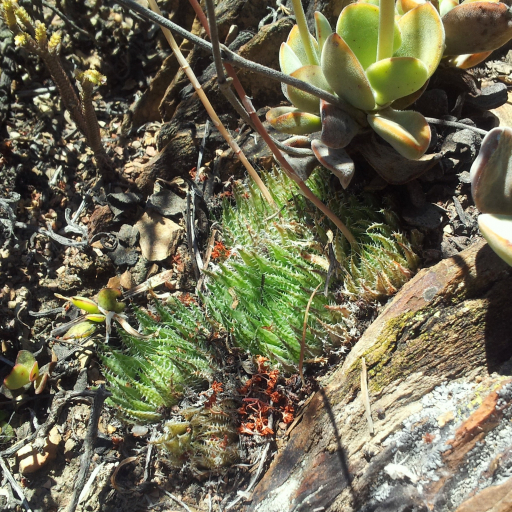
Often called the Herbaceous Haworthia, this petite South African gem looks more like a delicate piece of botanical lace than a rugged desert survivor. It is famous for its intricate, bristly appearance, which gives it a soft, fuzzy look from a distance—though it is actually quite firm to the touch. In the wild, it often grows tucked into the crevices of rocky outcrops, playing a game of hide-and-seek with the sun.
🔍 How to Identify
- 🌵 The Rosette: It forms a tight, spherical clump of many small, pointed leaves that curve inward, often reaching no more than 3 inches in diameter.
- ✨ Lace-like Bristles: The leaf margins and surfaces are covered in tiny, translucent white teeth or "tubercles" that catch the light, making the plant look like it’s covered in frost.
- 🎨 Color Palette: While predominantly a bright, yellowish-green, the leaves can take on deep bronze or reddish hues when exposed to significant sunlight or cooler temperatures.
🏡 In Your Garden
- 🪨 Rocky Roots: Because it originates from the Breede River Valley, this plant craves "gritty" soil. It hates "wet feet," so adding extra perlite or pumice to your potting mix is essential to mimic its rocky home.
- 🌤️ Light Shifting: Unlike some succulents that demand blazing sun, Haworthia herbacea prefers bright, filtered light. If the leaves start looking excessively dark or reddish, it’s telling you it’s getting a bit too much sun and would appreciate some shade.
- 🌱 Slow & Steady: This is a slow-growing species that rewards patient gardeners by producing small "offsets" or pups around the base, eventually forming a beautiful, mounded colony.
⚠️ Safety & Toxicity
- ✅ Status: Non-toxic and generally safe.
- 🐾 Details: This plant is considered safe for cats, dogs, and horses. While it isn't poisonous, the bristly texture might cause minor mouth irritation if a curious pet decides to take a bite, so it’s still best kept on a high shelf.
✨ Fun Fact
The species name herbacea comes from the Latin word for "grass-like." This is a bit of a botanical joke, as the plant is a thick-leaved succulent, but its yellowish color and "hairy" bristles help it blend perfectly into the dry grasses of its native habitat to avoid being eaten by hungry animals!

Detailed Care Instructions
To grow Haworthia herbacea plants, follow these steps:
- Choose the right pot: Select a small pot that has drainage holes to ensure proper water drainage. Haworthia plants do well in shallow pots as they have a shallow root system.
- Soil: Use a well-draining soil mix specifically formulated for succulents. You can either buy a pre-made mix or prepare your own by combining potting soil, coarse sand, and perlite in equal parts.
- Planting: Gently remove the plant from its nursery container and loosen the root ball. Place the plant in the new pot, ensuring the roots are spread out without being cramped. Add soil around the plant, leaving about 1 to 2 centimeters (0.4-0.8 inches) of space at the top for watering.
- Placement: Haworthia herbacea plants thrive in bright, indirect sunlight. Place them near a window that receives moderate to bright light, but avoid exposing them to direct sunlight for long durations as it can scorch their leaves. Generally, morning sunlight or filtered sunlight is beneficial.
- Watering: Allow the soil to dry out completely between waterings. Haworthia plants are succulents and can store water in their leaves, so they are tolerant of drought. Over-watering can lead to root rot, so it's best to water them sparingly. In the summer, water once every 2-3 weeks, while in the winter, reduce watering to once every 3-4 weeks.
- Temperature and humidity: Haworthia herbacea plants prefer temperatures between 65°F to 85°F (18°C-29°C). They can tolerate slightly cooler temperatures in winter but should be protected from frost. They do well in average indoor humidity levels, making them suitable for most homes.
- Fertilizer: Apply a diluted, balanced, water-soluble fertilizer specifically formulated for succulents once a month during the growing season (spring and summer). Follow the instructions on the fertilizer package for proper dosage.
- Propagation: Haworthia herbacea plants can be propagated through offsets or leaf cuttings. Offsets are small plants that grow at the base of the mother plant. Carefully separate them from the main plant and replant them in their own pots. Leaf cuttings can be taken from healthy leaves and placed on a well-draining soil mix. After a few weeks, new roots and leaves will develop.
- Maintenance: Remove any dead or withered leaves and regularly check for pests such as mealybugs or spider mites. If detected, treat promptly with an appropriate insecticide.
With proper care and suitable growing conditions, your Haworthia herbacea plant should thrive and grow well.

Place in a window with dappled sun or a spot in the middle of a room. Or directly in a window facing west or east.

To properly water this plant, first thoroughly moisten the soil. Wait until the top layer of soil has completely dried out before watering again. It is important not to overwater as this can lead to root rot. When watering, pour water directly onto the soil, avoiding the foliage. Ensure there are drainage holes at the bottom of the pot to allow excess water to escape. During the winter months, the plant may require less frequent watering as it enters a dormant period.
To fertilize Haworthia Herbacea, apply a balanced liquid fertilizer at half strength once every two weeks during the growing season which is from spring through summer. Never apply fertilizer to dry soil, always water the plant thoroughly before fertilizing. Also, avoid fertilizing during the dormant period which is during fall and winter.
The best soil for Haworthia Herbacea plant is a well-draining soil mixture that contains a combination of perlite, sand, and potting soil. The perlite aids in drainage, while the potting soil holds in moisture and nutrients. The sand provides structure and aeration to prevent soil compaction. Adding crushed charcoal to the soil mix can help with soil acidity and aid in drainage. It is important to avoid using heavy soils or soils that retain too much moisture as this can lead to root rot.
To propagate this plant, you will need to carefully remove one or more of its small offshoots from the main plant using a sterilized knife or sharp scissors. Before cutting, ensure that the offshoots have developed their own root system.
Once removed, let the cuttings dry for a few days to allow the wound to heal and prevent rotting. When the cuttings are dry, place them in well-draining soil in a small pot or container. Ensure that the soil is moist, but not saturated.
Place the pot in a bright location, but make sure it is not getting direct sunlight. It is essential to keep the soil lightly moist until the roots have formed, usually occurring within two to three weeks.
During this time, do not overwater as this will cause rotting. After two to three weeks, you can gradually reduce the amount of water and treat your new plant like an adult plant.
Once the propagated plant is mature enough, it may begin to produce offshoots, and you can repeat the propagation process.
Common pests of the haworthia herbacea include Mealybugs, thrips. Make a habit of checking your haworthia herbacea frequently for pests so that any infestations can be caught and managed early.








