Plant Overview
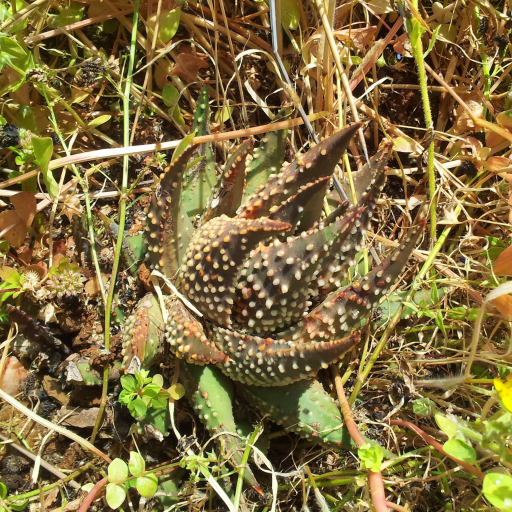
Often called the Pearl Plant or Miniature Aloe, Haworthia pumila is a slow-growing architectural gem from the Western Cape of South Africa. It looks less like a living organism and more like a piece of hand-painted ceramic art, adorned with tiny white beads. While it shares a resemblance to Aloe, its hard, shell-like texture and resilience make it one of the most durable succulents for a modern home.
🔍 How to Identify
- 🐚 The "Pearls": The most striking feature is the raised, warty white tubercles (bumps) that cover the dark green leaves, looking like tiny scattered pearls or a dusting of stars.
- 📐 Rosette Form: It grows in a tight, upright rosette shape. Unlike some flat succulents, these leaves reach upward, eventually forming a stately clump.
- 🗡️ Leaf Texture: The leaves are thick, triangular, and incredibly rigid to the touch, tapering to a sharp point that gives the plant a rugged, prehistoric appearance.
🏡 In Your Garden
- ☀️ Sun Dappling: In the wild, this plant often hides under the "skirt" of larger shrubs. In your home, it prefers bright, indirect light; if the leaves start to turn reddish or bronze, it's a signal that it's getting a bit too much direct sun "stress."
- 🏜️ The "Dry Feet" Rule: This plant has a relatively shallow root system that is highly prone to rot if kept damp. It thrives on neglect—only water when the soil feels completely like a desert from top to bottom.
- ⏳ Slow Motion Growth: This is a "set it and forget it" plant. It grows very slowly, meaning it won't outgrow its favorite decorative pot for many years, making it perfect for small desks or windowsills.
⚠️ Safety & Toxicity
- 🐾 Non-Toxic: Good news for pet owners! Haworthia pumila is generally considered non-toxic to cats, dogs, and horses.
- 🌵 Physical Touch: While not poisonous, the leaf tips are quite stiff and pointy. Place it somewhere it won't be accidentally bumped by passersby or curious toddlers to avoid minor pokes.
✨ Fun Fact
Despite its modest size in a pot, Haworthia pumila is actually a "giant" in its family! It is one of the largest species in the Haworthia group, and in its native habitat, some individual plants have been known to survive for over 40 years.

Detailed Care Instructions
To successfully grow Haworthia pumila (also known as the "pearl plant"), follow these steps:
- Select a suitable container: Ensure that the pot has drainage holes to prevent waterlogging. Use a shallow pot with well-draining soil.
- Soil and planting: Use a mix of cactus or succulent soil combined with perlite or pumice to create a well-draining environment. Plant the Haworthia pumila in the prepared pot, ensuring the roots are covered by soil but not buried too deep.
- Light requirements: Place the plant in a location with bright, indirect light. Haworthia pumila prefers bright light but not direct sunlight, as it can cause burns on the leaves.
- Watering: Allow the soil to dry out between waterings. During the active growing season (spring and summer), water the plant thoroughly but infrequently, ensuring excess water drains away. Reduce watering during the winter months when the plant enters a dormant period.
- Temperature and humidity: Haworthia pumila prefers average to warm temperatures, generally around 70-80°F (21-27°C). It can tolerate slightly cooler temperatures but needs to be protected from frost. The plant prefers low to moderate humidity.
- Fertilization: Fertilize sparingly during the growing season using a balanced, diluted succulent fertilizer. Follow the product instructions for proper dosage.
- Propagation: Haworthia pumila can be propagated through offsets or leaf cuttings. When propagating through offsets, remove the offset from the mother plant carefully and plant it in a separate container. For leaf cuttings, gently remove a healthy leaf, allow it to dry for a few days, and plant it shallowly in well-draining soil.
- Maintenance: Remove any dead or withered leaves to maintain the plant's appearance and prevent pest or disease issues. Occasionally, inspect for pests such as mealybugs or spider mites and take appropriate measures if needed.
- Repotting: Every two to three years, repot the Haworthia pumila into a slightly larger container with fresh soil. This allows the plant to have enough space and refreshes the soil for optimal growth.
By following these steps, you can successfully grow and care for Haworthia pumila.

Place in a window with dappled sun or a spot in the middle of a room. Or directly in a window facing west or east.

To water this plant, it is important to first assess the soil moisture level by checking the top inch of soil. If the soil feels dry, it is time to water. Use a watering can with a narrow spout to water the soil directly around the base of the plant, being careful not to get water on the leaves. Allow the water to soak into the soil before checking the drainage tray underneath the pot to make sure there is no excess water. Avoid letting the soil completely dry out between waterings, but also make sure not to overwater as this can lead to root rot. The frequency of watering will depend on the environment in which the plant is growing, but in general, it is better to underwater than overwater.
To fertilize the Haworthia Pumila plant, mix a balanced fertilizer with water and apply it to the soil once every month during the growing season. Use a dilution rate of one-quarter to half strength, and be sure not to apply the fertilizer directly to the plant's leaves or base. Water the plant thoroughly after fertilizing, but avoid overwatering, as this can lead to root rot. Additionally, pay attention to the plant's growth and health, and adjust the fertilizing schedule as necessary.
Haworthia Pumila is a succulent plant that requires well-draining soil. A soil mixture that is suitable for Haworthia Pumila should consist of a combination of sandy and porous soil. The soil should not hold onto moisture for too long as this can cause root rot.
An ideal soil mixture for Haworthia Pumila should consist of gritty sand, perlite, and loam. The addition of grit helps to improve drainage, while perlite helps to aerate the soil. Loam is a type of soil that retains the right amount of moisture but also drains quickly.
The soil mixture should also be slightly acidic and have a pH range of 6.0 to 7.0. When planting Haworthia Pumila, it is important to ensure that the plant's roots are not buried too deep in the soil. The root ball should be at the same level as the soil surface.
It is important to note that Haworthia Pumila is a slow-growing plant and does not require frequent re-potting. It is recommended to re-pot the plant every 2 to 3 years. When re-potting, it is important to use fresh soil and a pot that is only slightly larger than the previous one.
Propagation of this plant is relatively simple and can be achieved through various methods. One method involves taking offsets, which are small plantlets that grow at the base of the parent plant. These offsets can be gently removed and planted in their own pot with well-draining soil. Another method involves leaf cuttings, where a healthy leaf is cut from the plant and left to dry out for a few days. The cut end of the leaf can then be dipped in rooting hormone and planted in well-draining soil, where it will eventually develop roots and grow into a new plant. Finally, some species of this plant can also be propagated through seeds, which can be collected and planted in a similar manner to other types of succulent seeds. It is important to ensure that the soil and planting conditions remain moist but not too wet during the propagation process. With proper care and attention, this plant can be easily propagated and grown into a beautiful addition to any succulent collection.
Common pests of the miniature aloe include Mealybugs, thrips. Make a habit of checking your miniature aloe frequently for pests so that any infestations can be caught and managed early.








