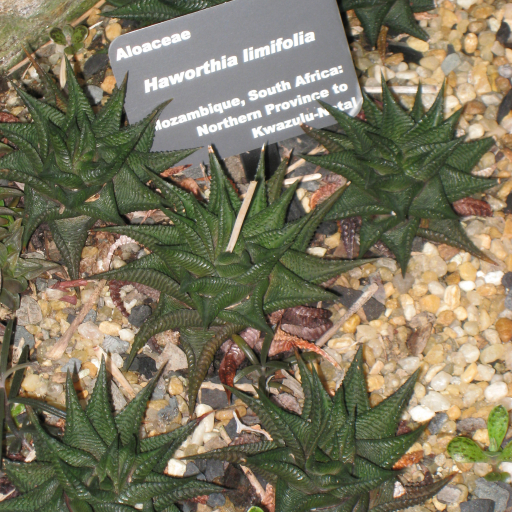
Plant Overview
Often called the Fairy Washboard, this architectural gem looks like it was meticulously 3D-printed rather than grown in nature. Native to the rocky slopes of Southern Africa, it is one of the hardiest and most distinctive succulents for indoor collectors. Its symmetrical rosettes and tactile ridges make it a centerpiece that thrives even when slightly neglected.
🔍 How to Identify
- 🌊 Washboard Ridges: The most striking feature is the raised, horizontal lines (tubercles) that run across the leaves, mimicking the texture of an old-fashioned washboard.
- 🌀 Spiral Rosette: The leaves grow in a tight, symmetrical rosette that often develops a subtle spiral pattern as the plant matures.
- 📐 Triangular Foliage: Each leaf is broad at the base and tapers to a sharp, firm point, typically displaying a deep, matte green color.
🏡 In Your Garden
- ⛅ Indirect Light Specialist: Unlike many desert succulents that crave scorching sun, the Fairy Washboard prefers bright, filtered light. It is perfect for east-facing windows; too much direct afternoon sun can "sunburn" the leaves, turning them a stressed reddish-brown.
- 🌵 Drought Defense: Because it stores a massive amount of moisture in its thick leaves, it hates "wet feet." You should only water when the soil is bone-dry all the way through. It prefers a gritty, sandy mix because its roots need constant airflow to prevent fungal rot.
⚠️ Safety & Toxicity
- 🐾 Pet Friendly: Great news for animal lovers! Haworthiopsis limifolia is considered non-toxic to both cats and dogs.
- 👶 Child Safe: It lacks the dangerous sharp spines of a cactus or the irritating milky sap found in Euphorbias, making it a very safe "first plant" for a child's bedroom.
✨ Fun Fact
🌊 In South Africa, traditional healers and locals have historically used this plant as a protective charm. It was often grown on the roofs of huts or placed near entrances, as it was believed to protect the household from lightning strikes and ward off spiritual intruders.

Detailed Care Instructions
To grow a Haworthiopsis Limifolia plant, follow these steps:
- Choose a small, well-draining pot with a drainage hole at the bottom. Haworthiopsis Limifolia plants prefer to be slightly root-bound, so choose a pot that is slightly smaller than the current size of the plant.
- Use a well-draining succulent or cactus potting mix. You can also create your own mix by combining regular potting soil with coarse sand or perlite.
- Gently remove the plant from its current pot, being careful not to damage the roots. If the plant is root-bound, you can gently tease apart the roots to encourage new growth.
- Place the plant in the new pot, making sure it is centered and upright. Fill in the remaining space with the potting mix, gently patting it down around the plant.
- Place the pot in a location with bright, indirect sunlight. Haworthiopsis Limifolia plants prefer bright light but can get burned if exposed to too much direct sunlight.
- Water the plant thoroughly, allowing the excess water to drain out of the bottom of the pot. Haworthiopsis Limifolia plants are succulents and do not like to sit in soggy soil, so make sure the soil dries out between waterings. Watering once every 2-3 weeks is usually sufficient, but adjust based on the specific needs of your plant and the environmental conditions.
- Provide a temperature range of 60-75°F (15-24°C). Haworthiopsis Limifolia plants can tolerate slightly cooler temperatures, but avoid exposing them to temperatures below 50°F (10°C) for extended periods.
- Fertilize the plant sparingly during the growing season (spring and summer) with a balanced, diluted succulent fertilizer. Follow the instructions on the fertilizer packaging for proper dilution rates.
- Regularly inspect and remove any dead or yellowing leaves from the plant to promote healthy growth.
- Propagate new plants by carefully removing and replanting offsets (baby plants that grow from the base of the parent plant) or by leaf cuttings. This can be done during the spring or summer months when the plant is actively growing.
By following these steps, you can successfully grow and care for a Haworthiopsis Limifolia plant.

Place in a bright room that is sun drenched almost all day. Or directly in a south-facing window.

To water this plant, first ensure that the soil is completely dry before watering. This can be determined by inserting a finger into the soil to a depth of at least one inch. If the soil feels moist, wait a few days before checking again.
When it is time to water, thoroughly saturate the soil until water begins to drain out of the bottom of the pot. Discard any excess water that accumulates in the saucer or tray under the pot.
Avoid getting water on the leaves, as this can cause damage or promote fungal growth. Instead, water the soil directly using a watering can with a long, narrow spout or a small pitcher.
During the growing season (spring and summer), water more frequently, generally every 1-2 weeks depending on the humidity and temperature of your environment. In the dormant season (fall and winter), reduce watering to about once a month or when the soil has completely dried out.
It is important not to overwater this plant, as it is susceptible to root rot. It is better to underwater and allow the soil to dry out between waterings than to constantly keep the soil moist.
To fertilize this plant, begin by choosing a balanced water-soluble fertilizer with equal amounts of nitrogen, phosphorus, and potassium. Dilute the fertilizer to half the recommended strength and apply it once every two weeks during the growing season, which is typically spring and summer. Be sure to water the soil thoroughly before and after fertilizing to ensure that the fertilizer is evenly distributed and the plant is not harmed. Avoid over-fertilizing as it can lead to toxic buildup of nutrients in the soil. Additionally, fertilize only when the plant is actively growing and avoid fertilizing it during the dormant season.
The ideal soil for the plant should be well-draining and slightly acidic. A mixture of sand, perlite, and potting soil is recommended, with a pH level of 6.0 to 6.5. The soil should be allowed to dry out completely before watering again, as the plant is susceptible to root rot. A soil with good ventilation and aeration is important for the plant's health. It is also recommended to add some organic fertilizer to the soil every 6 months to provide necessary nutrients.
To propagate this plant, you can use stem or leaf cuttings. Begin by selecting healthy stems or leaves from the mother plant. Make sure to use a sharp and sterile knife or scissors to make your cuts. For stem cuttings, cut a portion of the stem that is about 3-4 inches long. For leaf cuttings, choose a mature, healthy leaf and carefully remove it from the plant by gently twisting it at the base.
After you've obtained your cuttings, leave them out in a warm, dry location for a few days to allow them to callus over. This helps to prevent rot when you plant them. Once they have callused, you can plant them in a well-draining soil mix. Make a small hole in the soil and plant the cutting so that it is buried about an inch or so deep.
Water the newly planted cuttings sparingly to avoid overwatering. Keep them in a bright, indirect light location and avoid placing them in direct sunlight as this can scorch the leaves. Keep your new cuttings in a warm location, ideally around 70-80°F (21-27°C).
With proper care, your Haworthiopsis Limifolia cuttings should begin to root and produce new growth in a few weeks to a few months. Once they have established roots and new growth, you can treat them like mature plants and move them to their permanent potting location.
Common pests of the fairies washboard include Mealybugs, thrips. Make a habit of checking your fairies washboard frequently for pests so that any infestations can be caught and managed early.








