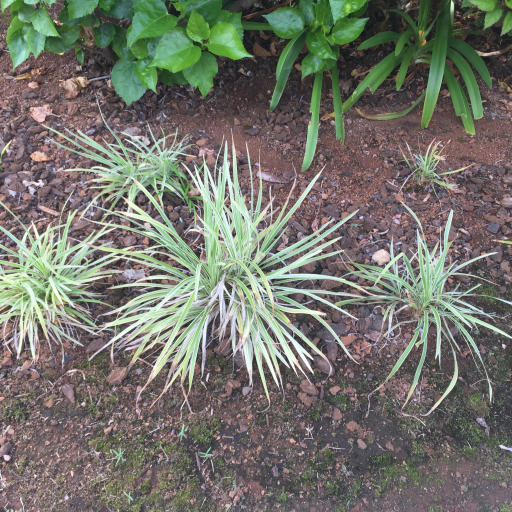
Plant Overview
Commonly known as Guapilla or the False Agave, this terrestrial bromeliad is the "tough guy" of the pineapple family. Found clinging to rocky cliffs in Texas and Mexico, it looks more like a desert survivor than a tropical houseplant. In its native regions, it has a long history of use, with its tough fibers once woven into cordage and its juices fermented into traditional drinks.
🔍 How to Identify
- ⚔️ Serrated Leaves: It features long, stiff, succulent-like leaves that are heavily armed with sharp, recurved "teeth" along the margins, acting like a natural barbed-wire fence.
- 🌟 Rosette Growth: The plant grows in a ground-hugging, starburst pattern. Over time, it creates dense, impenetrable colonies as it spreads through underground offsets.
- ☁️ Silvery Undersides: While the tops of the leaves are typically a bright lime green, the undersides often have a scurfy, silvery coating that helps the plant reflect intense desert heat.
🏡 In Your Garden
- 🪨 The Drainage Expert: Because it naturally grows in limestone crevices, it thrives in gritty, fast-draining soil. It is virtually "unkillable" by drought but will rot quickly if its roots stay damp for too long.
- ☀️ Sun Seeker: To maintain its compact, aggressive shape and vibrant color, it needs direct sunlight. In shaded spots, the leaves become long, floppy, and lose their distinctive silver sheen.
⚠️ Safety & Toxicity
- 🌵 Status: Physical Hazard: While Hechtia glomerata is not known to be chemically toxic to humans or pets, its spines are incredibly sharp and hooked.
- 🧤 Details: Handle with Care: Always wear heavy-duty leather gloves when repotting or weeding near this plant. It is best placed at the back of a garden bed or in a restricted area where children or pets won't accidentally brush against it.
✨ Fun Fact
Hechtia species are dioecious, meaning an individual plant is either strictly male or strictly female. If you want to see the small, white flowers produce seeds, you would need a "partner" plant of the opposite sex nearby!

Detailed Care Instructions
To grow Hechtia glomerata, follow these steps:
- Choose a suitable location: Hechtia glomerata thrives in bright, indirect sunlight, so find a location that provides partial shade or filtered light. Avoid direct sunlight, as it can scorch the plant.
- Soil preparation: Ensure the soil is well-draining to avoid waterlogging, as Hechtia glomerata prefers a dry to moderately moist environment. Mix organic matter, such as compost or peat moss, into the soil to improve drainage and fertility.
- Planting: Dig a hole slightly larger than the root ball of the Hechtia glomerata plant. Place the plant in the hole and cover the roots with the amended soil. Firmly pat down the soil around the plant to secure it in place.
- Watering: Water the newly planted Hechtia glomerata thoroughly, allowing the water to reach the roots deeply. Then, wait until the top inch of soil dries out before water again. Avoid overwatering, as this can lead to root rot.
- Fertilization: Hechtia glomerata does not require frequent fertilization. If desired, you can apply a slow-release, balanced fertilizer once or twice a year during the growing season. Dilute the fertilizer according to the package instructions and apply it around the base of the plant.
- Maintenance: Regularly remove any dead or decaying leaves from the plant to maintain its appearance and prevent pest issues. Protect the Hechtia glomerata from freezing temperatures by covering it or bringing it indoors during winter if you live in a cold climate.
- Propagation: You can propagate Hechtia glomerata by dividing its offsets, which are small plants that grow around the base. Carefully remove the offsets and plant them in separate containers or suitable locations in the garden.
By following these steps and providing appropriate care, your Hechtia glomerata plant should grow and thrive.

Place in a bright room that is sun drenched almost all day. Or directly in a south-facing window.

To properly water the plant, it is important to take note of its soil, position, and environment. First, ensure that the soil is well-draining and not waterlogged as it may cause root rot. Secondly, place the plant in a location with bright, indirect light and good air circulation. Lastly, water the plant thoroughly, allowing the water to run through the soil and drain before placing it back in its spot. It is recommended to wait until the soil is mostly dry to the touch before watering again to avoid overwatering.
To fertilize this plant, use a balanced, water-soluble fertilizer with equal amounts of nitrogen, phosphorus, and potassium. Apply the fertilizer once every two months during the growing season, which is typically from spring to fall. Be sure to dilute the fertilizer to half strength before applying it, and apply it directly to the soil around the base of the plant. Avoid getting the fertilizer on the leaves or stems of the plant. Water the plant thoroughly after fertilizing.
The ideal soil for the plant in question should be well-draining and moderately fertile. A mix of sand, pumice, and organic matter such as peat moss or coconut coir is recommended. The pH level of the soil should be slightly acidic to neutral, between 5.5 and 7.0. The plant prefers a soil that is on the drier side, so water should be applied sparingly and only when the soil is completely dry. Additionally, the plant should be grown in a pot with drainage holes to prevent waterlogging and root rot.
To propagate this plant, you will need to carefully remove offsets from the main plant. Look for small clusters of growth that have formed at the base of the plant. Use a sharp, sterile knife or shears to cut these offsets away from the main plant. Be sure to leave some roots attached to the offset.
Prepare a well-draining potting mix and plant the offset in a small container. Keep the soil lightly moist and place the container in a warm, brightly lit location. Avoid direct sunlight, as this can burn the young plant.
With proper care, the offset should develop roots and begin to grow. You can continue to care for the plant in its small container or transplant it to a larger pot or into the garden once it has developed a strong root system.








