Plant Overview
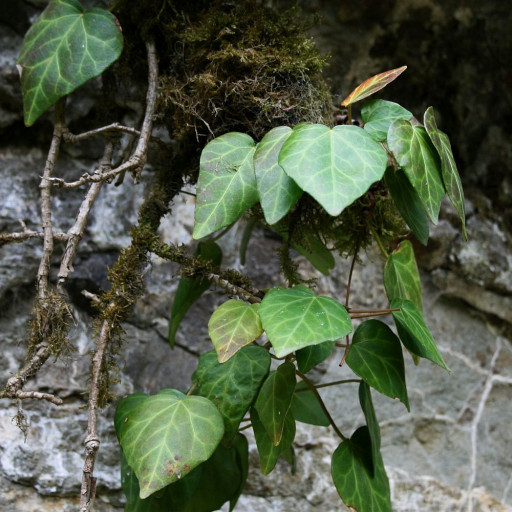
Often called "Bullock's Heart Ivy" for its massive, heart-shaped foliage, Hedera colchica is the undisputed giant of the ivy family. Native to the moist forests of the Caucasus and Iran, this evergreen climber brings a lush, almost tropical drama to temperate gardens. It is the perfect choice for gardeners who find English Ivy too "fidgety" and want a bold, leathery texture that can cover a wall in record time.
🔍 How to Identify
- 🍃 Colossal Leaves: The most striking feature is the size; leaves can grow up to 8 inches (20 cm) long, making them significantly larger than those of common ivy.
- 🧤 Leathery Texture: The foliage is remarkably thick, waxy, and tough to the touch, which helps the plant withstand dry air better than its relatives.
- 👃 Spicy Scent: A unique "ID" trick: if you crush a leaf, it releases a distinct, pleasant aroma often described as smelling like celery or black pepper.
🏡 In Your Garden
- 🧱 A Natural Insulator: Because the leaves are so large and overlap like shingles, this ivy creates a thick "blanket" on walls that can actually help provide a bit of thermal insulation for your home.
- 🌑 The Shade Solution: It is a champion of low-light areas. While it can handle some sun, it truly thrives in those tricky, dark corners of the garden where grass or flowers refuse to grow.
- ✂️ Self-Attaching: It uses tiny "aerial roots" to glue itself to surfaces. While this makes it a great climber, be mindful of using it on old or crumbling masonry, as it will find and exploit every crack.
⚠️ Safety & Toxicity
- 🐾 Toxic to Pets: Like all members of the Hedera genus, the leaves and berries contain triterpenoid saponins. If ingested by dogs or cats, it can cause drooling, vomiting, and abdominal pain.
- 🧤 Skin Irritant: The sap can cause "contact dermatitis" (an itchy red rash) in sensitive individuals. It is highly recommended to wear gardening gloves when pruning or handling large amounts of the plant.
✨ Fun Fact
Unlike many other vines that simply "climb," the Persian Ivy is known for its incredible longevity. In its native habitat in the Middle East, individual vines have been known to live for several centuries, eventually developing thick, woody trunks that resemble small trees!

Detailed Care Instructions
| Humidity | Normal |
| Lighting | Part Sun |
| Toxicity | Poisonous |
| Difficulty | Medium |
| Hardiness Zones | 6 - 10 |
To grow Hedera colchica (Persian Ivy), you can follow these steps:
- Choose the right location: Select a spot that receives partial shade to full shade. Persian Ivy can tolerate some sunlight but prefers indirect light.
- Soil preparation: Ensure the soil is well-draining, fertile, and slightly acidic to neutral pH. Add organic matter like compost to improve drainage and soil nutrition.
- Planting time: It is best to plant Hedera colchica in the spring or fall when the temperatures are moderate.
- Planting procedure: Dig a hole that is slightly larger than the root ball of the plant. Place the plant in the hole and backfill with soil, ensuring that the top of the root ball is level with the soil surface. Water thoroughly after planting.
- Watering: Keep the soil consistently moist, but not waterlogged, especially during the first growing season. Allow the top inch of soil to dry out between watering. Once established, Persian Ivy is quite drought-tolerant.
- Mulching: Apply a layer of organic mulch around the base of the plant to help retain moisture and suppress weed growth.
- Pruning: Hedera colchica can become quite vigorous, so regular pruning is necessary to maintain its shape and prevent overgrowth. Prune in early spring before new growth emerges.
- Fertilizing: Persian Ivy generally doesn't require much fertilization. However, you can use a slow-release balanced fertilizer in early spring or a liquid fertilizer every four to six weeks during the growing season to promote healthy growth.
- Support system: Depending on how you'd like to grow the plant, you may need to provide a trellis, arbor, or other support structure for the ivy to climb. Alternatively, you can let it spread along the ground as a ground cover.
- Pests and diseases: Hedera colchica is generally quite resistant to pests and diseases. However, keep an eye out for aphids, spider mites, or scale insects. Treat any infestations with an appropriate insecticide or horticultural oil.
Remember, Hedera colchica is known for its vigorous growth, so it's a good idea to plant it where it has adequate space to spread or provide regular maintenance to keep its growth in check.

Place in a window with dappled sun or a spot in the middle of a room. Or directly in a window facing west or east.

To water this plant, first check the moisture level of the soil by sticking your finger about an inch deep into the topsoil. If it is dry, it is time to water. Use room temperature or lukewarm water, pouring it slowly and evenly over the soil until it reaches the roots. Avoid overwatering and ensure adequate drainage to prevent the roots from becoming waterlogged. Depending on environmental conditions, the plant may need watering once or twice a week, or even less frequently.
- Choose a balanced, slow-release fertilizer.
- Apply the fertilizer in the spring or early summer.
- Use a granular or liquid fertilizer according to the instructions on the package.
- Water the soil well before and after fertilizing.
- Avoid applying too much fertilizer, as this can damage the plant.
- Repeat the process once or twice a year, depending on the plant's growth and health.
The ideal type of soil for Hedera Colchica is a well-draining, loamy soil that is rich in organic matter. It should be moist but not waterlogged, with a pH that is slightly acidic to neutral. The soil should have good structure to ensure adequate aeration and allow the plant's roots to spread and develop properly. A thick layer of mulch around the base of the plant can help retain moisture and prevent weeds from competing with the plant. It is best to avoid using heavy soils that are prone to waterlogging, as this can lead to root rot and other fungal diseases that can be harmful to the plant.
One method of propagation for this plant is by taking stem cuttings. In early to mid-summer, select a healthy stem from the parent plant that is about four to six inches long and has several leaves. Use a sharp, clean pair of scissors or pruning shears to make a clean cut just below a node.
Remove the leaves from the bottom half of the stem, leaving a few leaves at the top. Dip the cut end in rooting hormone and plant in a well-draining potting mix. Water thoroughly and cover with a plastic bag or dome to create a humid environment. Keep the cutting in indirect light and mist the leaves regularly.
After a few weeks, check for roots by gently tugging on the stem. If it resists, roots have formed and the plant can be transferred to a larger container or planted in the ground.
Common pests of the persian ivy include Spider mites, fungus gnats, thrips. Make a habit of checking your persian ivy frequently for pests so that any infestations can be caught and managed early.








