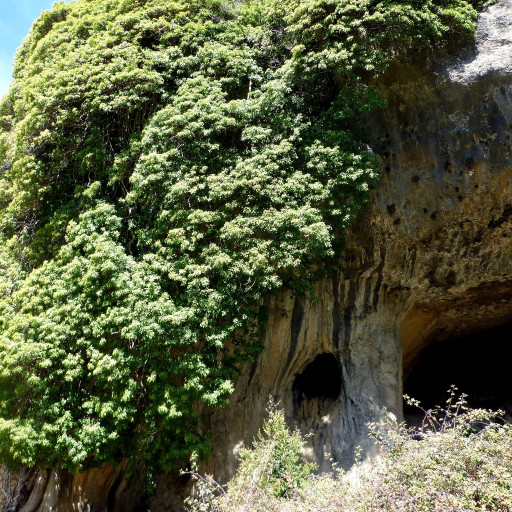
Plant Overview
Often called the "English Ivy" or "Common Ivy," this evergreen climber is a staple of romantic cottage aesthetics and ancient legends. In Greek mythology, it was the plant of Dionysus, symbolizing eternal life and fidelity because of its ability to stay green through the harshest winters. While it looks charming draped over old stone walls, it is a powerhouse of resilience that can transform a garden into a lush, emerald sanctuary.
🔍 How to Identify
- 🍃 Leaf Transformation: Interestingly, the plant has two leaf phases. The juvenile leaves are the classic 3-to-5-lobed "star" shape, while the mature, flowering stems produce oval, unlobed leaves.
- 🧗 Aerial Rootlets: Look for small, fuzzy, root-like structures along the stems. These act like tiny "claws" or glue, allowing the plant to scale vertical surfaces like brick or bark without needing a trellis.
- 🌑 Dark Berries: In late winter, mature plants produce clusters of small, bitter, dark-purple or black berries. While toxic to humans, they are a vital calorie source for birds when other food is scarce.
🏡 In Your Garden
- 🏠 Masonry Nuance: While ivy provides natural insulation, it uses its "holdfasts" to climb. On modern, sound brickwork, it is usually fine, but on old, crumbling mortar, the roots can dig deep and cause structural damage. It is often safest to let it trail as ground cover or climb a sturdy wooden fence.
- 🌫️ Indoor Air Purifier: Hedera Helix is famous for its appearance in NASA clean air studies. It is particularly effective at filtering mold spores and common household toxins from the air, making it a favorite for bathrooms and kitchens.
- ✂️ Vigor Control: There is an old saying: "The first year it sleeps, the second year it creeps, the third year it leaps." Once established, English Ivy is highly invasive in some regions. Regular pruning is necessary to prevent it from suffocating other garden plants or climbing too high into the tree canopy.
⚠️ Safety & Toxicity
- 🐾 Toxic to Pets: English Ivy contains triterpenoid saponins. If cats, dogs, or horses ingest the leaves, they may experience severe drooling, abdominal pain, and vomiting.
- 🧤 Skin Irritation: The sap of the plant can cause "allergic contact dermatitis" (a red, itchy rash) in sensitive individuals. It is highly recommended to wear gloves and long sleeves when doing heavy pruning.
✨ Fun Fact
English Ivy is "heliotropic," but in a unique way! While the leaves turn toward the light, the growing tips of the climbing stems actually grow away from the light (negative phototropism) to help the plant find dark cracks and crevices to cling to!

Detailed Care Instructions
Outdoors, English ivy needs little to no care for it to thrive. Indoors, you'll need to pay a bit more attention to the plant.
How fast does English ivy grow?
Since English ivy is aggressive, it can grow rapidly. It establishes quickly outdoors (within months). English ivy grows slower indoors and can take at least a year to establish itself before it has a growth spurt.
Can English ivy grow indoors?
English ivy can be grown indoors, where it thrives with relatively cool nights and frequent misting to maintain humidity. However, it is generally considered to be a finicky houseplant, despite its being a common offering at garden centers.
| Soil Ph | 6.0 To 7.8 |
| Humidity | High |
| Invasive | Weed |
| Lighting | Shade |
| Toxicity | Poisonous |
| Soil Type | Rich Soil With Plenty Of Organic Material |
| Difficulty | Medium |
| Plant Type | Perennial Woody Evergreen Vine |
| Hibernation | Cold Period |
| Mature Size | 6 To 8 Inches High; Up To 15 Feet Long As A Vine |
| Native Area | Northern Europe And Western Asia |
| Temperature | 10°C - 20°C |
| Sun Exposure | Filtered Sun Or Partial Shade |
| Hardiness Zones | 4-8 |
To grow Hedera helix, commonly known as English ivy, follow these steps:
- Choose a suitable location: Hedera helix can be grown both indoors and outdoors. If growing indoors, choose a spot with bright indirect sunlight. If growing outdoors, choose a shaded or partially shaded area.
- Soil preparation: English ivy prefers well-draining soil. Prepare the soil by incorporating organic matter like compost to improve fertility and drainage.
- Planting: Plant the ivy at a depth that covers the roots but does not bury the stem. Space the plants about 12 to 18 inches apart if planting multiple ivy plants.
- Watering: Keep the soil consistently moist but not waterlogged. Water the plant thoroughly when the top inch of soil feels dry. Be careful not to overwater, as this can lead to root rot.
- Fertilizing: Use a balanced, slow-release fertilizer in the spring or early summer to promote healthy growth. Follow the instructions on the fertilizer packaging for proper application rates.
- Pruning: Regular pruning helps to maintain the desired shape and control growth. Trim back any excessive growth or remove dead, damaged, or diseased leaves or stems.
- Training and support: If growing ivy as a climbing plant, provide a trellis or support structure for the ivy to climb. Guide the tendrils of the ivy towards the support until it starts attaching and climbing on its own.
- Pests and diseases: Keep an eye out for pests like aphids, spider mites, and mealybugs. Treat any infestations promptly with an appropriate insecticide or by using natural methods such as spraying with a mixture of water and mild soap. Avoid overwatering to prevent root rot.
- Propagation: Hedera helix can be propagated through stem cuttings. Take a 4-6 inch cutting from a healthy ivy plant, remove the lower leaves, and place it in a pot with moist soil. Keep the soil consistently moist and provide bright indirect light until roots develop.
Remember, English ivy can be invasive, especially in some regions, so be mindful of planting it in areas where it may spread uncontrollably.

Place in a window with dappled sun or a spot in the middle of a room. Or directly in a window facing west or east.

To water this plant, you must first take note of its soil moisture. Check the top inch of soil regularly to see if it has dried out. If it feels dry to the touch, then it's time to water. Use a watering can or hose to slowly pour water into the soil until it is fully saturated. Ensure that the water drains out of the pot's bottom before returning it to its place. It's important not to overwater the plant as this can cause root rot. Finally, ensure that the plant is not exposed to direct sunlight during the watering process.
To fertilize this plant, use a balanced, water-soluble fertilizer once a month during the growing season, from spring to fall. Follow the instructions on the fertilizer package for the correct dosage and mix it with water according to the directions. Water the plant thoroughly before and after fertilizing to avoid stressing the plant. Avoid fertilizing during winter, as the plant is in a dormant phase and does not require extra nutrients.
When selecting soil for this particular plant species, it is recommended to choose a soil that is well-draining but also not too porous. Soil that is too porous can lead to soil erosion and water loss, while soil that is too heavy and poorly-draining can lead to root rot and other plant diseases.
Ideally, the soil should be composed of a mixture of organic and inorganic materials, such as peat moss, coarse sand, perlite, and vermiculite. This will help to promote healthy root growth and prevent waterlogging. Additionally, it is important to ensure that the soil you choose does not contain any harmful chemicals or substances that may be toxic to the plant or the environment.
Overall, the key to selecting the right soil for this plant species is to strike a balance between drainage and moisture retention, and to choose a soil that is free of harmful substances. With the right soil and proper care, this plant can thrive and bring beauty to any indoor or outdoor space.
There are a few ways to propagate this plant. One common method is by taking stem cuttings. Choose a healthy, mature stem and cut it with a clean, sharp knife just below a node (where leaves attach). Remove the leaves from the lower part of the stem, leaving only a few at the top. Dip the cut end in rooting hormone powder (optional) and plant it in moist, well-draining soil. Keep the soil moist and warm (around 70°F) and in a bright but not direct light. Roots should form in a few weeks.
Another method is by layering. Choose a healthy, low-hanging stem and bend it down to the ground, burying a portion of the stem in soil. Pin it down with a stake or a rock. Keep the buried stem moist and in a few months, roots should form. Once roots have formed, cut the stem from the parent plant and transplant the new plant.
Lastly, this plant can also be propagated by division. Carefully remove the plant from its pot or garden bed and separate the stems into smaller clumps, ensuring that each clump has roots and leaves. Plant the clumps in their new containers or garden beds and keep them moist and in a bright but not direct light until they establish themselves.
Common pests of the english ivy include Spider mites, fungus gnats, thrips. Make a habit of checking your english ivy frequently for pests so that any infestations can be caught and managed early.








