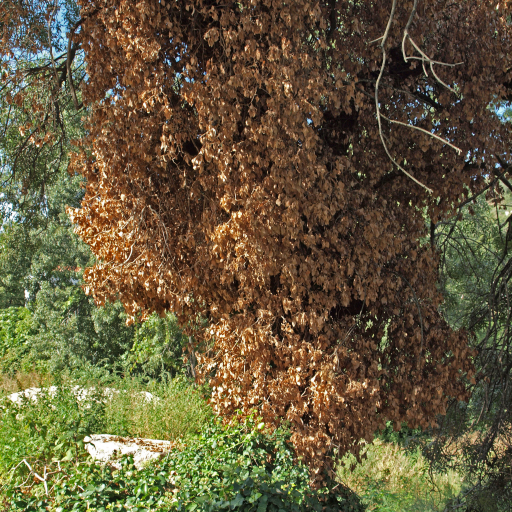
Plant Overview
Often called the "Mediterranean Ivy," Hedera iberica is the lush, resilient cousin of the common garden ivy. Native to the damp, ancient woodlands of Spain and Portugal, this evergreen climber is prized for its ability to transform bare walls into living emerald tapestries. It carries an air of the wild Atlantic forests, bringing a touch of rugged Iberian beauty to any home or garden.
🔍 How to Identify
- 🍃 Leathery Foliage: The leaves are remarkably thick and "coriaceous" (leathery), featuring a deep, glossy green color that looks polished even in the shade.
- 🩸 Reddish Stems: One of its most striking features is the reddish or purplish tint found on young stems and leaf stalks, which distinguishes it from the pale green stems of many common ivies.
- 📐 Shape Shifter: It displays "heterophylly," meaning it has two leaf types. Juvenile leaves are wide with 3–5 shallow lobes, while adult flowering stems produce narrow, unlobed, diamond-shaped leaves.
🏡 In Your Garden
- 🧗 The Climbing Architect: This plant uses specialized adventitious roots to "glue" itself to surfaces. Because it is a vigorous grower, it is perfect for vertical greenery, but it requires regular pruning to ensure it doesn't overwhelm smaller garden structures.
- 💧 Microclimate Preference: Unlike the common English Ivy, the Iberian variety thrives best in areas with high air humidity. It is particularly well-suited for coastal gardens or "well-watered" shady corners where other plants might struggle with dampness.
⚠️ Safety & Toxicity
- 🚫 Toxic Status: All parts of the plant, especially the bitter-tasting berries and the leaves, contain polyacetylene compounds and saponins that are toxic if ingested.
- 🐾 Pets & Kids: Keep this plant away from curious nibblers. Ingestion can cause severe stomach upset, drooling, and vomiting in cats, dogs, and humans.
- 🧤 Skin Irritation: The sap can cause "contact dermatitis" (an itchy, red rash) for those with sensitive skin. It is always best to wear gloves when pruning or handling large amounts of the vine.
✨ Fun Fact
🧬 An Ancient Survivor: Hedera iberica is considered a "relict" species. This means it is a biological "living fossil" from the subtropical forests that covered the Mediterranean basin millions of years ago, long before the last Ice Age changed the region's climate!

Detailed Care Instructions
| Humidity | Dry |
| Lighting | Part Sun |
| Difficulty | Medium |
| Hibernation | Cold Period |
| Hardiness Zones | 6 - 10 |
To grow Hedera iberica, also known as Iberian ivy, you can follow these steps:
- Choose a suitable location: Hedera iberica thrives in well-draining soil and prefers a partially shaded area. It can tolerate full sun but may require extra care in hot climates.
- Prepare the soil: Ensure the soil is rich and fertile with good organic matter. If the soil is heavy clay, amend it with compost to improve drainage.
- Planting: Dig a hole slightly larger than the root ball of the plant. Place the plant in the hole, ensuring the top of the soil from the pot is level with the surrounding soil. Backfill the hole with soil and gently firm it around the plant.
- Watering: Maintain consistent moisture during the plant's establishment phase. Water deeply when the top inch of the soil feels dry, but avoid waterlogging the plant.
- Mulching: Apply a layer of organic mulch around the plant to help retain moisture, suppress weeds, and insulate the roots.
- Pruning: Trim the plant as needed to control its growth and shape. Prune away any dead, damaged, or overcrowded branches to encourage new growth.
- Fertilizing: Feed the plant with a balanced, slow-release fertilizer in spring and early summer to promote healthy growth. Follow the manufacturer's instructions for application rates.
- Pests and diseases: Keep an eye out for common ivy pests, such as aphids and spider mites. Control them using insecticidal soaps or horticultural oils if necessary. Monitor for any signs of diseases like leaf spot or powdery mildew and promptly address them with appropriate treatments.
- Training and support: If desired, provide a trellis, fence, or other support structure for the ivy to grow on. This can help control its direction and prevent it from spreading too widely.
- Ongoing care: Regularly check on the plant to ensure it is healthy and free from any issues. Monitor watering needs, prune as necessary, and monitor for signs of stress or disease.
Remember, Hedera iberica can be an aggressive grower, so it's important to monitor its growth and prevent it from overtaking other vegetation or structures in your garden.
To water this plant, fill a watering can with room temperature water. Pour the water slowly at the base of the plant, making sure not to splash any water on the leaves. Water the plant thoroughly, until you see water draining out of the bottom of the pot. Allow the soil to dry out slightly before watering again, as overwatering can lead to root rot. Pay attention to the plant's leaves, as they may wilt or turn brown if the plant is not receiving enough water. In hot or dry weather, the plant may require more frequent watering.
To fertilize this plant, first ensure that the soil is moist. Then, use a balanced fertilizer with equal parts nitrogen, phosphorus, and potassium. Apply the fertilizer to the soil around the base of the plant, being careful not to spill it on the leaves or stem. Water the plant after fertilizing to help the nutrients penetrate the soil. Repeat the fertilizing process every 2-4 weeks during the growing season, but avoid fertilizing in the winter.
The ideal soil for Hedera Iberica plant is a well-draining, slightly acidic soil with good water retention. It should be rich in organic matter and nutrients, such as compost or well-aged manure. The soil should be firm but not compacted, as compacted soils can inhibit root growth and water uptake. The pH level of the soil should be between 5.5 and 6.5. It is important to avoid using heavy or clay soils, as these can become waterlogged and cause root rot in the plant. Additionally, the soil should be kept consistently moist, but not waterlogged, to ensure healthy growth.
To propagate this plant, you will need to take cuttings from the stem or runners of the mother plant. First, select a healthy stem or runner with several leaves attached. Then, using a clean and sharp knife or pair of scissors, cut the stem or runner just below a leaf node.
Next, remove the lower leaves from the cutting, leaving only a few leaves at the top. This will help the cutting conserve energy and reduce the risk of transplant shock. Dip the bottom of the cutting in rooting hormone, which will encourage root growth.
Place the cutting in a pot filled with well-draining soil, and water it thoroughly. Cover the pot with a plastic bag or dome to create a humid environment. Keep the cutting in indirect light and maintain a consistent temperature of around 70-80°F (21-27°C).
Check the cutting regularly and mist it as needed to keep it moist. After several weeks, the cutting should start to show signs of growth, indicating that roots have formed. At this point, you can remove the plastic cover and begin to acclimate the new plant to its environment.
Once the new plant has established itself in its pot, it can be transplanted into a larger container or into the ground. Good luck!








