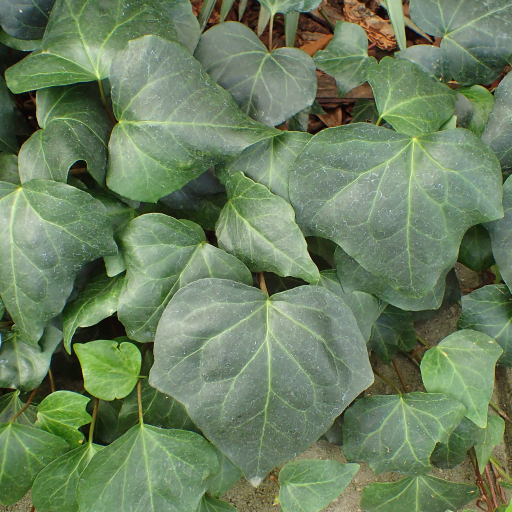
Plant Overview
Affectionately known as English Ivy or the "Green Architect," the Hedera genus is a symbol of endurance and eternal life. From ancient Greek wreaths to the hallowed walls of "Ivy League" universities, these climbing evergreens have draped themselves across human history for centuries. Whether they are spilling out of a hanging basket or scaling a brick chimney, they bring a classic, woodland elegance to any space.
🔍 How to Identify
- 🍃 Lobed Foliage: Most young Hedera species feature iconic, 3-to-5-lobed leaves with a waxy texture and prominent, often lighter-colored veins that create a marble-like pattern.
- 🧗 Aerial Rootlets: Unlike many vines that use tendrils to twist, Ivy uses tiny, glue-like rootlets along its stems to physically "cement" itself to bark, stone, or wood.
- 🌿 Dimorphic Growth: The plant changes its look as it ages; while young plants trail and climb with lobed leaves, mature "adult" branches grow horizontally, produce unlobed oval leaves, and eventually sprout clusters of small, greenish flowers.
🏡 In Your Garden
- 🧱 The Vertical Advantage: Ivy is a master of the vertical plane, but it requires regular pruning. If left unchecked, its "cementing" roots can damage old mortar or siding, and it can grow heavy enough to hide structural issues in trees.
- 🌥️ Shade Tolerance: This is one of the few plants that thrives in deep shade where grass or flowers fail. It prefers cool, moist soil; if the soil stays too soggy, however, it is prone to bacterial leaf spot.
- ✂️ Pruning Nuance: Because it is such a vigorous grower, it responds well to "haircuts." Regular trimming keeps the foliage dense and prevents it from becoming a "ladder" for pests like spider mites or snails to reach higher areas of your home.
⚠️ Safety & Toxicity
- 🚫 Toxic Status: All parts of the Hedera plant are considered toxic to humans and pets if ingested.
- 🐶 Pet Warning: Ingestion by cats or dogs can cause vomiting, abdominal pain, hypersalivation, and diarrhea due to triterpenoid saponins.
- 🖐️ Skin Irritant: The sap contains falcarinol, which can cause "allergic contact dermatitis" (a red, itchy rash) in sensitive individuals. It is always best to wear gloves when pruning.
✨ Fun Fact
In ancient Rome, Ivy was dedicated to Bacchus, the god of wine. Revelers believed that wearing a crown of Ivy would prevent intoxication and "cool the head" during a long night of festivities!

Detailed Care Instructions
To grow a Hedera (ivy) plant, you can follow these steps:
- Choose the right location: Hedera plants prefer bright, indirect sunlight but can also tolerate partial shade. Pick a location with well-draining soil.
- Prepare the soil: Ensure the soil is well-draining and has organic matter like compost mixed in. Ivy plants aren't too picky about soil pH but tend to prefer slightly acidic to neutral conditions.
- Planting: If you have a potted Ivy, choose a pot with drainage holes and fill it with the prepared soil. Carefully transplant the ivy into the pot, ensuring the base of the plant is level with the soil surface. If planting outdoors, dig a hole slightly larger than the root ball and place the plant in the hole, backfilling it with soil.
- Watering: Water the plant regularly, ensuring the soil stays evenly moist but not waterlogged. Ivy plants tolerate drought once established but prefer consistent moisture.
- Fertilizing: Apply a balanced or slow-release fertilizer in spring and summer to provide nutrients for healthy growth. Follow the instructions on the fertilizer packaging for application rates.
- Pruning: Ivy plants benefit from occasional pruning to control their size and shape. Trim back any leggy or overgrown vines to encourage bushier growth.
- Trellis or support: If growing an ivy variety that climbs, provide a trellis, arbor, or other support for the plant to climb on. Secure the vine to the support using soft ties or twine.
- Propagation: Ivy plants can be propagated through stem cuttings. Take a 4-6 inch cutting from a healthy stem and remove the lower leaves. Dip the cut end in rooting hormone and plant it in a well-draining potting mix. Keep the soil moist until roots develop.
- Pest control: Monitor your plant for common pests like aphids, spider mites, or mealybugs. Treat any infestations with organic or chemical pest control methods as appropriate.
- Overwintering: Most ivy plants are hardy and can withstand cold temperatures. However, in extreme cold conditions, you can cover the plant with a frost cloth to provide some protection.
Remember to research the specific care requirements for the particular species or variety of Hedera plant you have, as they may have slight variations in their needs.

Place in a dark room with little light, like a dark bedroom or a spot far away from a window or directly in a north-facing window.

Watering instructions for this particular plant would involve providing it with adequate moisture to enable it to grow and thrive. This can be achieved by carefully assessing the plant's soil moisture levels and watering accordingly.
To avoid over-watering, it is important to allow the top inch of soil to dry out slightly between watering. This can be done by checking the soil with a finger or moisture meter.
When watering, it is recommended to use room temperature water and to avoid wetting the plant's leaves. Water should be added slowly and carefully to the base of the plant until excess water begins to seep out of the bottom.
During the growing season, this plant may require more frequent watering, especially in warm or dry conditions. However, during the winter months, it may be necessary to reduce watering to prevent the soil from becoming overly wet.
In summary, watering this plant requires careful attention to soil moisture levels and a consistent, but not excessive, supply of water.
For best results, fertilize this plant during the growing season from spring to fall. Use a balanced, water-soluble fertilizer diluted to half strength and apply every two weeks. Be careful not to over-fertilize, as this can cause the plant's leaves to become dull and dark. Avoid fertilizing during the winter months, as the plant is in a dormant state and does not need additional nutrients.
For Hedera plants, it is recommended to use well-draining soil that is rich in organic matter. The soil should have a pH level between 6.0 and 7.5. It should be moist but not waterlogged, as waterlogged soil can lead to root rot and other diseases. Additionally, it is important to avoid using soil that has high levels of salt or clay, as this can negatively affect the plant's growth. When growing Hedera plants, it is also important to ensure good drainage, proper air circulation, and adequate sunlight.
To propagate this plant, you will need to take stem cuttings from a mature plant. Look for a healthy stem that is at least 4-6 inches long and has several leaves. With a sharp, clean pair of scissors or pruning shears, cut the stem at a 45-degree angle just below a leaf node. Remove any leaves from the bottom 2 inches of the stem.
Dip the cut end of the stem in rooting hormone powder to promote root growth. Then, plant the stem in a well-draining soil mix, burying the bottom 2 inches of the stem. Water the soil thoroughly, and cover the cutting with a plastic bag or clear container to create a humid environment.
Place the cutting in a bright, indirect light, but avoid direct sunlight. Check the soil regularly and water as needed to keep it moist but not waterlogged. After a few weeks, check for new growth and root development by gently tugging on the stem. If you feel resistance, roots have formed, and the cutting can be transferred to a larger pot with regular potting soil.







