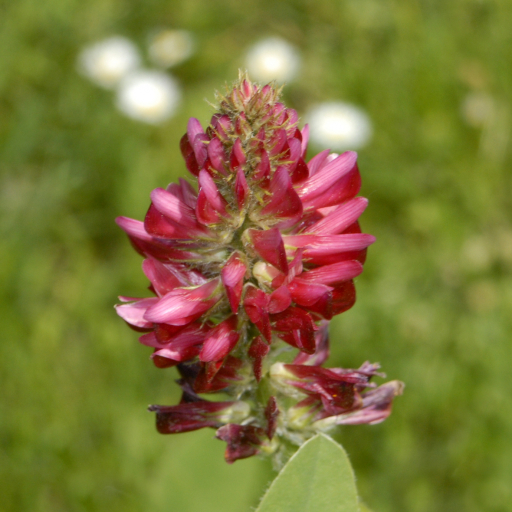
Plant Overview
Affectionately known as Sulla or French Honeysuckle, this Mediterranean beauty is more than just a pretty face in a wild meadow. Originating from the sun-drenched hills of Italy and Spain, it is a "soil-healer" that transforms nitrogen from the air into food for the earth. With its vibrant crimson spikes, it has earned a reputation as one of the most beautiful and beneficial forage plants in the world.
🔍 How to Identify
- 🌺 The Blooms: Features striking, cone-shaped clusters (racemes) of pea-like flowers in a deep magenta or brilliant crimson hue.
- 🍃 The Foliage: Leaves are pinnate, meaning they consist of several pairs of oval leaflets arranged along a central stem, often with a soft, silvery-green sheen.
- 🌿 The Stature: A bushy, herbaceous plant that can stand quite tall, often reaching up to 3 or 4 feet, with sturdy stems that may become slightly woody at the base.
🏡 In Your Garden
- 🏗️ Root Resilience: Sulla develops a powerful, deep taproot that allows it to find water in dry, clay-heavy soils. Because of this "anchor," it strongly dislikes being moved once planted—choose its forever home carefully!
- 🐝 Pollinator Paradise: It is a magnet for honeybees and butterflies. If you are looking to create a "living soil" or a nectar-rich sanctuary, this plant is an MVP for biodiversity.
⚠️ Safety & Toxicity
- ✅ Status: Generally Non-Toxic and Safe.
- 🐾 Details: Unlike some other legumes, Sulla is famous for being "bloat-safe" for livestock and is not known to be toxic to household pets or curious children. It is actually prized as a high-protein, healthy snack for farm animals.
✨ Fun Fact
🍯 The Gourmet Connection: In Sicily, Sulla is the primary source for "Miele di Sulla" (Sulla Honey). This rare, light-colored honey is highly prized by chefs for its delicate, creamy flavor and hint of citrus.

Detailed Care Instructions
To grow Hedysarum coronarium, also known as French honeysuckle or Sultan's henna, follow these steps:
- Choose a suitable location: Hedysarum coronarium prefers full sun but can tolerate some shade. Ensure the planting area has well-draining soil.
- Prepare the soil: Loosen the soil and remove any weeds or rocks. Add organic matter such as compost or well-rotted manure to improve fertility and drainage.
- Planting: Sow the seeds directly into the prepared soil in early spring or fall. Space the seeds or seedlings about 12-18 inches apart and cover them lightly with soil. If transplanting seedlings, wait until they have developed a few true leaves before moving them.
- Watering: Keep the soil consistently moist but not waterlogged. Ensure the plant receives about 1 inch of water per week, either through rainfall or irrigation. Water deeply to encourage deep root growth.
- Mulching: Apply a layer of organic mulch around the plants to help retain moisture, suppress weeds, and regulate soil temperature. Avoid crowding the stem or leaves with mulch.
- Fertilizing: Hedysarum coronarium generally does not require a lot of fertilization since it is a nitrogen-fixing legume. However, if the soil is poor in nutrients, you can apply a balanced fertilizer during the growing season according to the instructions on the packaging.
- Pruning: Prune back the plant after flowering to promote bushiness and prevent it from becoming leggy. Cut the stems back by about one-third to one-half their length.
- Pests and diseases: Hedysarum coronarium is relatively resistant to pests and diseases. However, keep an eye out for common garden pests, such as aphids or slugs, and take appropriate measures if necessary.
- Harvesting: Hedysarum coronarium produces beautiful, colorful flowers that can be cut for floral arrangements. Additionally, you can harvest the seeds from the dried seed pods to propagate new plants, or to use as a food source for birds.
Follow these guidelines, and with proper care and attention, your Hedysarum coronarium plant should thrive and grow successfully.

Place in a bright room that is sun drenched almost all day. Or directly in a south-facing window.

To water this particular plant, you should first examine the soil to ensure it is dry at least one inch deep before watering. When watering, ensure that you apply a slow, steady stream of water around the base of the plant. Avoid watering the foliage to prevent the growth of fungal diseases. It is important to note that overwatering could lead to root rot, so ensure that excess water drains away from the root zone. In addition, during hot summer months, increase the frequency of watering, but reduce watering during colder months.
To fertilize Hedysarum Coronarium, you will need to follow these recommendations:
- Use a balanced fertilizer: Select a slow-release, balanced fertilizer with equal NPK (Nitrogen, Phosphorus, and Potassium) ratio. This will provide a well-rounded nutrient supply for the plant.
- Choose the right time: Apply the fertilizer during the active growing season, preferably in spring or early summer, when the plant is actively producing new growth.
- Dilute the fertilizer: Follow the manufacturer's instructions for diluting the fertilizer in water. Be cautious not to use a concentrated solution as it may harm the plant.
- Apply around the plant base: Pour the diluted fertilizer solution around the base of the plant, avoiding direct contact with the leaves and stems. This will allow the roots to absorb the nutrients effectively.
- Avoid overfertilization: It's important not to overfeed Hedysarum Coronarium as it can lead to excessive vegetative growth and reduce flowering. Follow the packaging instructions regarding the frequency of application and the recommended amount for this specific plant.
- Water after fertilization: After applying the fertilizer, give the plant a thorough watering to help the nutrients penetrate into the soil and reach the roots.
- Monitor plant response: Pay attention to the plant's appearance and growth. If you notice any signs of nutrient deficiency or excessive fertilization (such as yellowing leaves, stunted growth, or leaf burn), adjust the fertilization schedule or amount accordingly.
Remember to always read and follow the instructions provided by the fertilizer manufacturer for optimal results and to ensure the well-being of your Hedysarum Coronarium plant!
The ideal soil for this plant is a well-draining, nutrient-rich soil with a pH level between 6.5 and 7.5. It should also have good water-holding capacity, as this plant prefers consistently moist soil. Additionally, a soil with a good balance of sand, silt, and clay will provide adequate aeration and drainage, while also retaining enough moisture. Organic matter, such as compost or aged manure, can be added to the soil to improve its structure and fertility.
To propagate Hedysarum coronarium, you can follow these steps:
- Collecting seeds: Harvest the seeds from mature plants by cutting the flower stalks or pods when they have turned brown and dried out. Place the seeds in a paper bag to further dry and ensure they are fully mature before storing or sowing.
- Stratification: Some varieties of Hedysarum coronarium require stratification to break their dormancy and germinate. To do this, store the seeds in a sealed plastic bag with moist sand or peat moss for about one to three months in a cool location (around 41-50°F or 5-10°C). Check the seeds regularly for any signs of germination before moving to the next step.
- Preparing the soil: Choose a sunny location with well-draining soil for planting. Prepare the soil by removing any weeds, rocks, or debris, and loosen it to create a fine seedbed.
- Sowing the seeds: Once stratified (if required), sow the seeds directly into the ground or in pots if you prefer to start them indoors for later transplanting. Make sure to sow the seeds at a depth of about ¼ inch to ½ inch (6-12 mm) and space them about 1-2 inches (2.5-5 cm) apart. After sowing, gently press down on the soil to ensure good seed-to-soil contact.
- Watering and care: After sowing, water the soil thoroughly to provide adequate moisture for germination. Maintain even soil moisture throughout the germination and early growth stages, ensuring the soil does not dry out completely. Avoid overwatering as it can lead to rotting. As the seedlings emerge, thin them out to allow proper spacing or transplant them if initially sown in pots.
- Transplanting (optional): If you started the seeds indoors, transplant the seedlings outside after the risk of frost has passed and they have grown to a suitable size. Choose a similar sunny location with well-draining soil and space the seedlings according to the recommended spacing for mature plants.
- Regular maintenance: Monitor the plants regularly for any signs of pests, diseases, or nutrient deficiencies. Water the plants regularly, especially during dry periods, but avoid excessive watering that can cause root rot. Apply a balanced fertilizer according to the plant's specific requirements to promote healthy growth and blooming.
By following these steps, you can successfully propagate Hedysarum coronarium and enjoy its beautiful flowers and foliage.








