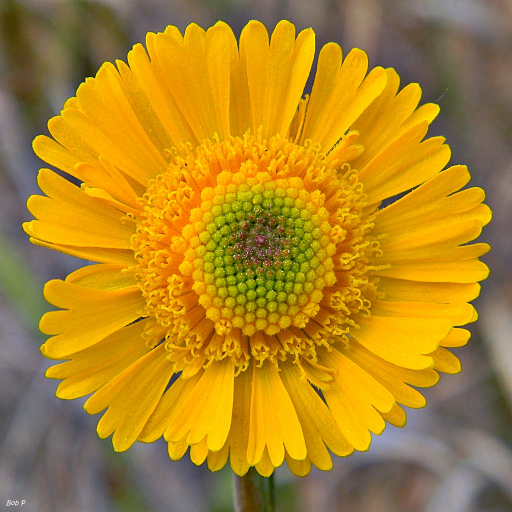
Plant Overview
Known to many as the Southeastern Sneezeweed, Helenium pinnatifidum is a sun-drenched wildflower native to the damp pine flatwoods and boggy coastlines of the American South. Despite its tickle-inducing name, it isn't a major cause of hay fever; instead, its name stems from the historical practice of using its dried leaves to make "snuff" to induce sneezing and clear the senses. This plant is a cheerful, golden beacon that signals the transition from spring to summer.
🔍 How to Identify
- 🌼 The Blooms: It features bright yellow, wedge-shaped "petals" (ray florets) that fan out from a prominent, button-like yellow center. The petals are unique for their three-lobed, notched tips.
- 🌿 The Foliage: Unlike many of its cousins, the "pinnatifid" sneezeweed has deeply lobed or divided leaves. These feathery, lace-like leaves are concentrated mostly at the base of the plant.
- 📏 The Stem: The plant grows on slender, upright stems that typically reach 1 to 2 feet in height. The stems are often "winged," meaning they have thin, leafy ridges running down their length.
🏡 In Your Garden
- 💧 Wet Feet Welcome: This plant is a specialist of the "muck." It thrives in soggy, poorly drained soil where other plants might rot, making it an ideal candidate for rain gardens or the edges of a backyard pond.
- 🦋 Pollinator Buffet: The high-domed centers are rich in nectar and pollen. It is a high-priority stop for native bees, wasps, and butterflies, providing a critical food source during the peak of the growing season.
- ☀️ Sun Seeker: While it loves water, it also demands full sun. In the shade, the stems may become "leggy" and flop over as they stretch toward the light.
⚠️ Safety & Toxicity
- 🚫 Status: Toxic if Ingested: All parts of the plant contain helenalin, a compound that is toxic to humans, dogs, cats, and livestock.
- 🐂 Livestock Warning: It is particularly dangerous for horses and cattle if it contaminates hay, as it can cause "spewing sickness" or more severe internal issues.
- 🧤 Skin Irritation: Some individuals may experience mild skin redness or a rash (contact dermatitis) after handling the crushed leaves or sap.
✨ Fun Fact
The genus name Helenium is steeped in Greek mythology. It is said to be named after Helen of Troy, with legends claiming that these bright yellow flowers first emerged from the soil where her tears fell during the Trojan War.

Detailed Care Instructions
To grow Helenium pinnatifidum, also known as Hairy Helen's Flower, you can follow these steps:
- Choose a suitable location: Helenium pinnatifidum thrives in full sun to partial shade, so select a spot in your garden where it can receive at least 6 hours of direct sunlight each day.
- Prepare the soil: Helenium pinnatifidum prefers well-draining soil with a pH ranging from slightly acidic to slightly alkaline. Amend the soil with organic matter such as compost or well-rotted manure to improve drainage and fertility.
- Sow seeds or start with young plants: You can sow seeds in the spring or early summer directly into the prepared soil. Alternatively, you can purchase young plants from nurseries and transplant them into your garden. If starting from seeds, follow the instructions on the seed packet for the appropriate depth and spacing.
- Water regularly: Keep the soil consistently moist, but not waterlogged. Water deeply when the top inch of soil feels dry to the touch. Avoid overhead watering, as this can promote fungal diseases. Instead, water at the base of the plant.
- Mulch the soil: Apply a layer of organic mulch, such as wood chips or straw, around the base of the plant. This will help retain moisture, suppress weed growth, and regulate soil temperature.
- Provide support if necessary: Some varieties of Helenium pinnatifidum may benefit from staking or support to keep the tall stems from flopping over. Use stakes or plant supports early in the growing season to prevent damage to the plant.
- Deadhead flowers: To encourage continuous blooming, remove spent flowers by pinching or cutting them off. This will redirect the plant's energy towards producing new blooms.
- Monitor for pests and diseases: Keep an eye out for common garden pests, such as aphids or slugs, and take appropriate measures to control them. Also, watch for signs of fungal diseases like powdery mildew and treat accordingly with fungicides if necessary.
- Divide the plant: After a few years, Helenium pinnatifidum may become overcrowded and benefit from division. Dig up the plant in early spring or fall and carefully separate the clumps into smaller sections. Replant the divisions in well-prepared soil, spacing them apart to allow for future growth.
With proper care and maintenance, your Helenium pinnatifidum plant should thrive and produce beautiful, vibrant flowers throughout the growing season.

Place in a bright room that is sun drenched almost all day. Or directly in a south-facing window.

To properly water this plant, ensure that the soil is dry to the touch before watering again. When watering, pour water gently and evenly around the base of the plant until the soil is moist but not waterlogged. Avoid getting water on the leaves or flowers, as this can cause damage or disease. In periods of drought, increase watering frequency to prevent the plant from drying out. Additionally, ensure that the plant has good drainage to prevent waterlogging and root rot.
To fertilize this plant, apply a balanced, slow-release fertilizer in early spring. Follow the recommended dosage on the fertilizer package, and water the plant thoroughly after application. Repeat this process every 4-6 weeks throughout the growing season. Avoid fertilizing in late summer or fall, as this can encourage new growth that may be damaged by winter weather.
Helenium Pinnatifidum plant prefers to grow in well-draining soil that is kept consistently moist but not waterlogged. The ideal pH range for the soil should be between 6.0 to 7.5. The soil should be rich in organic matter and nutrients to support the growth of the plant. A mixture of peat moss, compost, and loamy soil is appropriate for this plant. The soil should also have good air circulation and be free from compaction to allow for healthy root growth. It is important to avoid using heavy clayey soils or soils with poor drainage as this can lead to root rot and other diseases.
Helenium Pinnatifidum can be propagated in several ways, including by dividing the plant, taking stem cuttings, or by sowing seeds.
To propagate this plant by division, you will need to carefully lift the entire plant from the soil, making sure to preserve as much of the root system as possible. Using a sharp, clean knife or garden pruner, divide the plant into several smaller clumps, each with its own set of roots. Replant the divided clumps in a well-prepared soil mixture, ensuring that they are watered thoroughly.
To propagate Helenium Pinnatifidum by stem cuttings, select a healthy stem from the plant that is at least several inches long. Cut this stem cleanly using a sharp, sterile knife. Remove any leaves or flowers from the lower portion of the stem, leaving only a few leaves at the top. Dip the cut end of the stem into rooting hormone, if desired, and plant it in a well-draining soil mixture. Water the cutting and keep it in a warm, humid environment until it has established roots.
Lastly, you can propagate Helenium Pinnatifidum by sowing seeds. Collect the ripe seeds from the plant and lightly scarify them to help them germinate faster. Plant the seeds in small pots filled with a well-draining soil mixture and water well. Keep the pots in a warm, sunny location and water them regularly until the seedlings have grown enough to transplant into their permanent location.








