Plant Overview
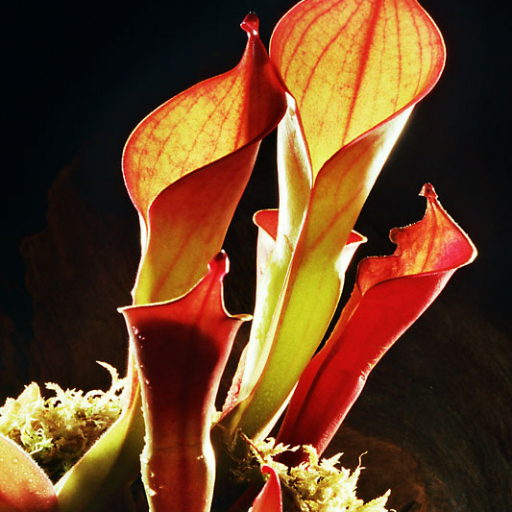
Known as the "Giant Sun Pitcher," Heliamphora ionasii is a crown jewel of the carnivorous plant world. Hailing from the mist-shrouded, prehistoric "tepuis" (tabletop mountains) of Venezuela, it is often referred to as a "Bell of the Lost World." This plant doesn't just grow; it commands attention with its elegant, architectural pitchers that look like ancient stoneware crafted by nature itself.
🔍 How to Identify
- 🏺 Pitcher Shape: Unlike flat leaves, these are modified into tall, graceful funnels. Ionasii is one of the largest in its genus, with pitchers that can reach nearly 20 inches in height.
- 🥄 The Nectar Spoon: At the very top of the pitcher sits a small, hood-like "spoon." This structure secretes a sweet, intoxicating nectar that lures insects toward the slippery rim.
- 🎨 Intense Veining: While the base color is a lush lime green, the pitchers are often etched with deep crimson or violet veins that can turn the entire plant a dark, velvety burgundy under high-intensity light.
🏡 In Your Garden
- 🏔️ The Highland Challenge: This plant is a "highland" species, meaning it is biologically programmed for the cool, foggy nights of the Venezuelan mountains. To keep it happy, you must provide a significant temperature drop at night (ideally into the 50s°F).
- ☁️ Humidity & Airflow: It thrives in high humidity (above 70%) but hates stagnant air. In a home setting, a terrarium with a small cooling fan is often necessary to prevent rot while maintaining the moisture it craves.
- 💧 Pure Water Only: Like most carnivores, its roots are incredibly sensitive. Use only distilled, rainwater, or reverse osmosis water. Mineral-heavy tap water will cause the plant to "burn" and eventually perish.
⚠️ Safety & Toxicity
- ✅ Safe for Pets & Kids: Heliamphora ionasii is non-toxic to humans, cats, and dogs. It contains no known poisons that affect mammals.
- 🐜 Fatal for Insects: While safe for you, it is a passive predator. The interior of the pitcher is lined with downward-pointing hairs that ensure any insect looking for nectar cannot climb back out, eventually drowning in the small pool of water at the base.
✨ Fun Fact
Unlike the Venus Flytrap, which uses rapid movement, Heliamphora is a "primitive" pitcher. It lacks its own digestive enzymes in many cases, instead relying on a symbiotic relationship with specialized bacteria living in its pitcher water to "chew" its food for it!

Detailed Care Instructions
Growing Heliamphora ionasi, a species of carnivorous pitcher plant from the tepuis of South America, in a home or greenhouse setting requires attention to their specific needs. Here’s a detailed guide to help you grow this fascinating plant successfully.
1. Light Requirements:
- Intensity: Heliamphora ionasi thrives in bright, indirect light. They can tolerate some direct sunlight, especially in the morning or late afternoon, but avoid intense midday sun which can scorch the leaves.
- Duration: Aim for about 12-14 hours of light per day. If natural light is insufficient, consider using grow lights.
2. Temperature and Humidity:
- Temperature: These plants prefer cooler temperatures. Daytime temperatures should range between 70–80°F (21–27°C), and nighttime temperatures should drop to 50–60°F (10–15°C). They need a cooler nighttime temperature to mimic their natural habitat.
- Humidity: Maintain high humidity levels between 70-90%. This can be achieved using a humidifier or placing the plant in a terrarium.
3. Watering:
- Water Quality: Use only distilled water, rainwater, or reverse osmosis (RO) water. Tap water typically contains minerals that can harm the plant.
- Watering Method: Keep the soil consistently moist but not waterlogged. You can use the tray method or top-water the plant, just ensure it doesn’t sit in standing water for prolonged periods.
4. Soil and Potting:
- Soil Mix: Use a well-draining mix designed for carnivorous plants. A common mix includes sphagnum peat moss, perlite, and sand (in a 2:1:1 ratio). Live sphagnum moss can also be beneficial on top of the soil.
- Pot: Choose a pot with good drainage. Plastic pots are commonly used because they retain moisture well, but breathable pots like those made from fired clay can also be beneficial for root aeration.
5. Feeding:
- Natural Feeding: Heliamphora ionasi can catch small insects on its own if provided with an appropriate environment.
- Supplement: If your plant isn’t catching enough prey, you can feed it occasionally with small insects like fruit flies or freeze-dried bloodworms. Do not overfeed, as this can cause rot.
6. Dormancy:
- Heliamphora species do not have a true dormancy period like some other carnivorous plants, but they do appreciate a slight drop in temperature and reduced watering during the cooler months to mimic seasonal changes.
7. Air Circulation:
- Ensure good air circulation around the plant to prevent mold and fungal issues. However, avoid placing it in a drafty or windy spot.
8. Repotting:
- Repot every 1-2 years, preferably in the spring. This helps refresh the soil mix and provides room for root growth.
9. Monitoring Health:
- Regularly check for pests like aphids or spider mites. If found, treat them promptly with insecticidal soap or neem oil, in accordance with the product instructions.
By providing these specific conditions, your Heliamphora ionasi will have the best chance to thrive and grow healthily. Enjoy cultivating this unique and captivating plant!

Place in a bright room that is sun drenched almost all day. Or directly in a south-facing window.
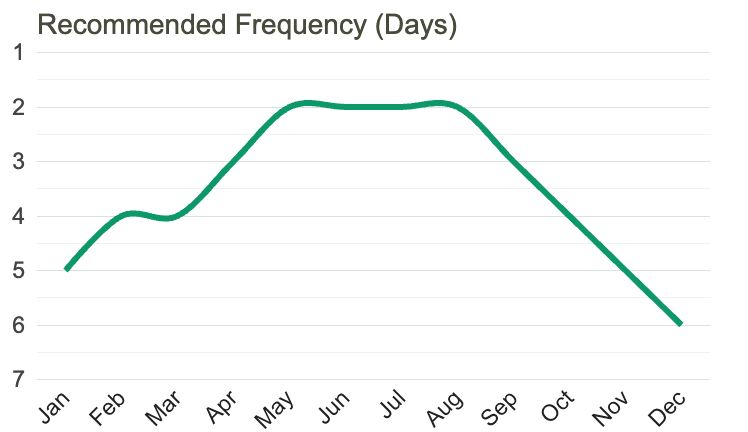
To water Heliamphora ionasi effectively and ensure it stays healthy, follow these detailed guidelines:
1. **Water Type**: Use distilled water, rainwater, or reverse osmosis (RO) water. Tap water can be detrimental due to high mineral content, which can lead to mineral buildup and may harm the plant.
2. **Watering Method**: Heliamphora ionasi prefers high humidity and relatively constant moisture levels. There are two primary methods to water this plant:
- **Tray Method**: Place the pot in a shallow tray filled with about 1-2 cm (0.4-0.8 inches) of water. Allow the plant to absorb water through its roots. Refresh the water in the tray frequently to prevent stagnation and bacterial growth.
- **Top Watering**: Water the plant from the top by gently pouring water onto the soil. Make sure the water drains through the substrate and is not stagnant to avoid root rot.
3. **Frequency**: The frequency of watering depends on environmental conditions such as temperature, humidity, and light levels. You'll generally need to ensure the substrate remains consistently moist but not waterlogged. In warmer, brighter conditions, the plant may require more frequent watering.
4. **Humidity**: Heliamphora ionasi thrives in high humidity environments, typically between 70-90%. If the ambient humidity is low, you may need to mist the plant regularly or use a humidity tray or humidifier to maintain adequate levels.
5. **Drainage**: Ensure good drainage to prevent waterlogging. A well-draining potting mix composed of components such as sphagnum moss, perlite, and pumice is ideal, and the pot should have drainage holes.
6. **Watering Schedule**: As a guideline, check the moisture level of the substrate regularly. If the top layer feels dry or slightly moist, it's usually time to water again. However, always tailor the schedule to your specific growing conditions and the plant's needs.
By following these steps, you can provide the appropriate water regimen to keep Heliamphora ionasi healthy and thriving.
Heliamphora ionasi thrives in nutrient-poor conditions similar to its natural habitat, so fertilizing should be done with caution to avoid damaging the plant. Here is a guideline for fertilizing:
- Use Diluted Fertilizer: Choose a very dilute orchid fertilizer, typically mixed to about 1/4 or even 1/8 of the recommended strength.
- Frequency: Fertilize sparingly, about once a month or even less, depending on how the plant responds.
- Application Method:
- Direct Feeding: Instead of applying fertilizer to the soil, it is generally better to apply a very small amount directly into the base of the pitchers using a dropper. This mimics the way the plant naturally absorbs nutrients from captured prey.
- Foliar Spray: Alternatively, you can use a diluted foliar spray, misting the leaves lightly. Ensure that the spray is very diluted to avoid burning the plant.
- Direct Feeding: Instead of applying fertilizer to the soil, it is generally better to apply a very small amount directly into the base of the pitchers using a dropper. This mimics the way the plant naturally absorbs nutrients from captured prey.
- Water Quality: Always use distilled, reverse osmosis (RO), or rainwater for both watering and diluting the fertilizer, as Heliamphora ionasi is sensitive to the minerals and salts present in tap water.
- Monitor Plant Health: Keep an eye on the plant for any signs of nutrient burn or stress, such as browning tips or discolored leaves. If such symptoms appear, decrease or stop fertilizing immediately and flush the plant's medium with distilled water.
- Environmental Conditions: Ensure that the plant is kept in high humidity, good air circulation, and has access to bright, indirect light to support its growth and nutrient absorption.
Remember, Heliamphora ionasi is adapted to low-nutrient environments, so err on the side of under-fertilizing rather than over-fertilizing.
Heliamphora ionasi thrives in a specific type of soil that mimics its natural environment. The soil should be well-draining and acidic to meet the plant's needs. A suitable mix typically includes a combination of materials that promote aeration, moisture retention, and proper drainage. Here is a detailed breakdown of what the soil mixture should contain:
- Sphagnum Moss: This is a primary component of the soil mix. It retains moisture while also allowing for good aeration. Live sphagnum moss or long-fibered sphagnum moss can be used.
- Perlite: This inert volcanic glass helps to improve drainage and aeration. It prevents the soil from becoming waterlogged, which is crucial for the plant's health.
- Silica Sand: Fine or medium-grain silica sand can be added to the mix. It adds weight to the soil and further enhances drainage properties. Avoid using construction sand or beach sand, as they may contain salts or other impurities.
- Peat Moss (optional): If available, a small amount of peat moss can be included. It helps to maintain an acidic pH level in the soil, mimicking the plant’s natural environment.
A common recipe for the soil mix might include roughly equal parts of sphagnum moss and perlite, with a smaller portion of silica sand. This combination ensures that the soil remains acidic, well-drained, and adequately aerated, closely resembling the plant’s natural habitat.
When potting, ensure that the pot has sufficient drainage holes to prevent the soil from becoming waterlogged. Regular monitoring of soil moisture levels is essential, as the plant prefers consistently moist but not soggy conditions. Avoid using tap water, as it may contain minerals and chemicals that can harm the plant. Instead, use distilled, rainwater, or reverse osmosis water to maintain the appropriate soil conditions.
Propagating Heliamphora ionasi, a carnivorous plant native to the Tepui mountains of Venezuela, can be done through several methods, though it is generally considered a bit challenging. Here are the primary methods:
- Division:
- Time: The best time to divide this plant is during its active growing season, often in late spring or early summer.
- Tools: Use sterilized, sharp tools such as scissors or a knife.
- Procedure:
- Gently remove the entire plant from its pot.
- Carefully separate the rhizome sections, ensuring that each section has at least one growth point and a healthy root system.
- Repot each division in a suitable substrate, ideally a mix of sphagnum moss and perlite.
- Gently remove the entire plant from its pot.
- Aftercare: Keep the newly potted divisions in a high-humidity environment with good air circulation. Water with distilled or rainwater and avoid fertilization initially.
- Time: The best time to divide this plant is during its active growing season, often in late spring or early summer.
- Leaf Pullings (more experimental method):
- Procedure:
- Take a healthy leaf and attach it to a piece of live sphagnum moss.
- Keep it in a high-humidity environment, such as a closed plastic container or terrarium.
- Take a healthy leaf and attach it to a piece of live sphagnum moss.
- Success Rate: This method has a lower success rate compared to division and is typically used more by experienced growers.
- Procedure:
- Seed Propagation:
- Procurement: Obtain fresh seeds from a reputable source. Seeds of this plant are small and can lose viability quickly.
- Sowing:
- Use a sterilized, well-draining, and acidic medium, such as a mix of finely milled sphagnum moss and sand.
- Scatter the seeds on the surface without covering them, as they need light to germinate.
- Use a sterilized, well-draining, and acidic medium, such as a mix of finely milled sphagnum moss and sand.
- Conditions:
- Maintain high humidity, around 70-90%.
- Keep temperatures between 21-27°C (70-80°F).
- Provide bright, indirect light or use a grow light.
- Maintain high humidity, around 70-90%.
- Germination: Sprouting can take several weeks to months. Patience is crucial.
General Care for Asexual Propagation:
- Procurement: Obtain fresh seeds from a reputable source. Seeds of this plant are small and can lose viability quickly.
- Watering: Use only distilled, reverse osmosis, or rainwater. This plant is sensitive to minerals commonly found in tap water.
- Humidity: Maintain high humidity levels, preferably 60-80%.
- Lighting: Provide bright, indirect light. Direct sunlight can scorch the leaves.
- Temperature: Aim for a temperature range of 21-27°C (70-80°F) during the day and slightly cooler at night.
Note: This plant is sensitive to changes and can take time to adapt after propagation. Consistent care and appropriate environmental conditions are essential for successful propagation and growth.








