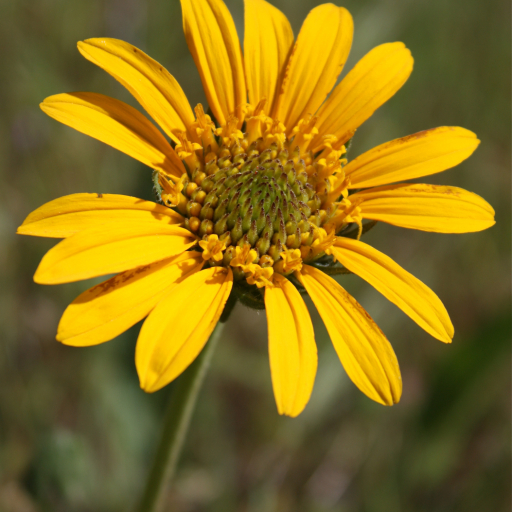
Plant Overview
Known affectionately as the California Little Sunflower, this golden perennial is a quintessential star of the West Coast foothills and oak woodlands. While it may look like a miniature version of the towering sunflowers we grow for seeds, the Helianthella californica is a hardy, wild spirit that thrives on dry, sunny slopes where other plants might wither. It acts as a bright, cheerful beacon for local pollinators during the late spring and early summer months.
🔍 How to Identify
- 🌻 The Flower Head: Unlike the massive, dark-centered common sunflower, these blooms are smaller (about 1–2 inches across) with bright yellow rays and a yellowish-green central disk that glows in the sunlight.
- 🌿 The Foliage: The leaves are lance-shaped and slightly rough to the touch, usually growing in a lush clump at the base of the plant before sending up long, slender flowering stalks.
- 📏 Growth Habit: It typically forms a low-growing mound about 1 to 2 feet tall, making it a much more manageable "sunflower" for smaller landscape spaces.
🏡 In Your Garden
- ☀️ Sun & Slope: Because it is native to the California Coast Ranges, it craves excellent drainage. If your garden has heavy clay, plant it on a slight mound or a rocky slope to keep its roots from getting "wet feet" during the winter.
- 💧 Drought Strategy: This plant is a water-saver’s dream. It has evolved to handle long, dry summers by going dormant if necessary. Once established, it requires very little supplemental water, mimicking the natural cycle of the California wild.
- 🐝 Pollinator Hub: It is a vital resource for native bees and butterflies. Planting this helps create a "pollinator corridor" in urban or suburban environments.
⚠️ Safety & Toxicity
- ✅ Status: Generally non-toxic and safe for home gardens.
- 🧤 Skin Sensitivity: Like many members of the Asteraceae (Daisy) family, the rough hairs on the leaves can occasionally cause mild skin irritation for people with sensitive skin or specific allergies to ragweed and daisies. It is best to wear gloves when pruning large patches.
- 🐾 Pets: There are no known toxic effects for cats or dogs, making it a "pet-friendly" alternative to more exotic ornamental flowers.
✨ Fun Fact
The name Helianthella literally means "Little Sunflower" in Latin. While its giant cousin (Helianthus) follows the sun across the sky (heliotropism) primarily when young, the California Little Sunflower is often found perfectly positioned in dappled light under Oak trees, proving it’s just as happy in the shade as it is in the spotlight!

Detailed Care Instructions
Growing Helianthella californica, also known as California helianthella, can be quite simple if you provide the right conditions. Here are some steps to help you grow this plant:
- Climate: Make sure you are in a suitable climate for Helianthella californica. It is native to California and prefers a Mediterranean climate with dry summers and mild winters. If your climate is not similar, consider growing it as a potted plant indoors.
- Soil: Helianthella californica thrives in well-draining soil. Prepare a mix that consists of sandy loam soil, perlite, and organic compost. This will ensure good drainage and provide nutrients to the plant.
- Sunlight: Plant Helianthella californica in full sun. It requires at least six hours of direct sunlight each day for proper growth.
- Watering: These plants are quite drought-tolerant but still need regular watering during the growing season. Water deeply and allow the soil to dry out between watering sessions. Avoid overwatering, as it can lead to root rot.
- Fertilizer: Helianthella californica doesn't require much fertilization. In the early spring, you can apply a slow-release, low-nitrogen fertilizer. Follow the manufacturer's instructions for proper application.
- Propagation: You can propagate Helianthella californica from seeds. Collect mature seeds from the plant in late summer or early fall. Plant them directly in the prepared soil or seed-starting trays. They usually germinate well in cool temperatures. Once the seedlings are established, transplant them to their permanent location.
- Maintenance: Remove dead flower heads to encourage more blooms and prevent self-seeding. Additionally, keep an eye out for any pests or diseases and treat them promptly.
- Wildlife considerations: Helianthella californica is an important plant for pollinators and wildlife. If you want to attract butterflies, bees, or birds, consider planting this species as part of a pollinator garden or wildlife habitat.
Remember to always consult local gardening resources or nurseries for specific guidance, as they can offer advice based on your specific location and conditions.

Place in a bright room that is sun drenched almost all day. Or directly in a south-facing window.

To water this plant, it is important to consider the plant's needs. The plant needs to be watered regularly, but not too much, as overwatering can lead to root rot and other issues. It is important to check the soil moisture level before watering, or to use a regular watering schedule based on the plant's needs. It is also important to water the plant deeply, allowing the water to soak into the soil and reach the plant's roots. Additionally, it is important to water the plant at the base, rather than on the leaves or flowers, to prevent mold and other issues. Finally, it is important to ensure that the plant has good drainage, to prevent water from pooling around the roots and causing damage.
To fertilize this plant, apply a balanced fertilizer during the growing season. Avoid fertilizing during times of drought or extreme heat. Apply the fertilizer around the base of the plant, being careful not to get any on the leaves. Water the plant after fertilizing to help distribute the nutrients. Repeat the fertilizing process every 6-8 weeks as needed.
The ideal soil for this plant is well-draining, loamy soil with a pH range of 6.0 to 7.5. The soil should also be rich in organic matter, as the plant prefers soil with high fertility. Additionally, this plant can tolerate sandy or clay soils, but it requires adequate moisture. Therefore, it is recommended to incorporate organic matter, such as compost, into the soil to improve its quality. The plant also requires good drainage to prevent root rot, which can be achieved by adding perlite or coarse sand to the soil. Overall, the soil should be loose, aerated, and able to retain moisture.
There are several ways to propagate the Helianthella Californica plant. One way is through seeds. The seeds can be collected from mature plants and sown directly into the soil or started indoors and transplanted once they have developed into seedlings.
Another method of propagation is through cuttings. Take cuttings from healthy, established plants and trim the leaves from the bottom half of the stem. Place the cuttings in a rooting hormone and plant in a mixture of soil and perlite or sand. Keep the soil moist and in a warm, well-lit area until roots develop.
Division is also possible for Helianthella Californica plants. Carefully dig up the plant and separate the root clumps into sections. Replant the sections in fresh soil and water well.
No matter which method you choose, it's important to provide the right growing conditions for the plant, including well-draining soil, adequate water, and plenty of sunlight.








