Plant Overview
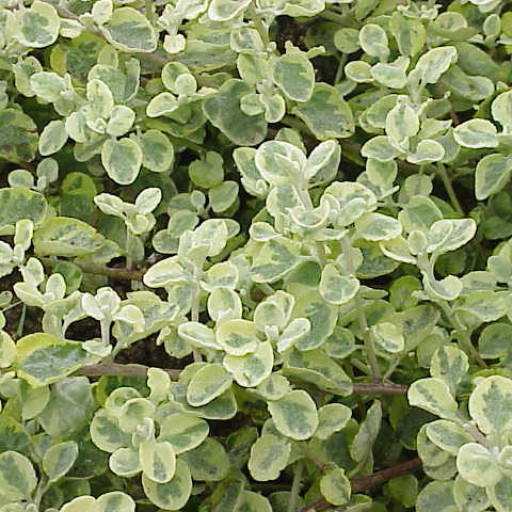
Commonly known as the Licorice Plant, Helichrysum petiolare is a South African native beloved for its shimmering, moonlit foliage. Despite its name, it isn't used to make candy, but its velvety, silver-grey leaves provide a stunning neutral backdrop that makes vibrant flowers "pop" in any garden. It is the ultimate "spiller" plant, gracefully cascading over the edges of hanging baskets and stone walls like a soft, living waterfall.
🔍 How to Identify
- 🧤 The Velvety Touch: The leaves are small, heart-shaped, and covered in a dense layer of tiny silver-white hairs, giving the plant a felt-like or woolly texture.
- 💿 Metallic Sheen: The foliage has a distinct silvery-blue or pale lime-green hue (depending on the variety) that appears to glow, especially during the "golden hour" of sunset.
- 🌊 Trailing Habit: It features long, flexible woody stems that sprawl outward and downward, often reaching lengths of 2 to 3 feet in a single growing season.
🏡 In Your Garden
- 🚿 Fuzzy Leaf Logic: Those beautiful hairy leaves are an evolutionary trick to trap moisture in dry climates, but they hate being wet. Always water at the base of the plant; overhead watering can trap moisture against the stems, leading to "damping off" or rot.
- ✂️ Managing the Spread: Because it is such a vigorous grower, it can occasionally "bully" smaller plants. Don't be afraid to prune it back aggressively in mid-summer to keep it tidy and encourage a flush of fresh, bright new growth.
⚠️ Safety & Toxicity
- 🐾 Pet Assessment: Good news for pet owners! Helichrysum petiolare is generally considered non-toxic to dogs, cats, and horses.
- 👶 Human Safety: It is not known to be poisonous to humans. However, the fine hairs on the leaves may cause very mild skin irritation for individuals with extreme tactile sensitivities. It is ornamental and should not be ingested.
✨ Fun Fact
While it doesn't taste like the candy, the Licorice Plant earned its nickname because its foliage releases a faint, spicy, and sweet aroma when bruised or crushed on a hot day—many gardeners describe the scent as a mix of licorice and maple syrup!

Detailed Care Instructions
| Soil Ph | Tolerant |
| Lighting | Full Sun |
| Soil Type | Well-Drained; Otherwise Tolerant |
| Plant Type | Tropical Perennial |
| Mature Size | 30–45 Cm High And 60–90 Cm Wide |
| Native Area | Southern Africa |
| Sun Exposure | Full Sun |
| Hardiness Zones | 9-11 |
To grow Helichrysum Petiolare, also known as Licorice Plant, you can follow these steps:
- Find a suitable location: Choose a spot with full sun to partial shade. Helichrysum Petiolare prefers a warm and sunny environment.
- Prepare the soil: Helichrysum Petiolare thrives in well-draining soil, so ensure that the soil is loose and well-aerated. For heavy or clay soils, you can add organic matter like compost to improve drainage.
- Planting: Dig a hole slightly larger than the root ball of the plant. Place the plant in the hole, making sure the top of the root ball is level with the soil surface. Fill the hole with soil and gently firm it around the base of the plant.
- Watering: Water the plant thoroughly after planting and continue to keep the soil moist but not waterlogged. Regular watering is important, especially during the hotter months, to prevent the plant from drying out.
- Fertilization: Apply a general-purpose fertilizer during the growing season to promote healthy growth. Follow the instructions on the fertilizer packaging for application rates.
- Pruning: Helichrysum Petiolare can become quite bushy, so regular pruning is necessary to maintain a tidy shape. You can trim back any straggly or leggy branches to encourage bushier growth.
- Propagation: You can propagate Helichrysum Petiolare through stem cuttings. Take 4-6 inches long healthy stem cuttings, remove the lower leaves, and place them in a well-draining potting mix. Keep the cuttings in a warm, humid environment, and they should develop roots within a few weeks.
- Pest and disease control: Licorice Plant is generally pest and disease-resistant. However, keep an eye out for common pests like aphids, spider mites, and whiteflies. If necessary, treat with appropriate insecticides or use organic methods such as spraying with Neem oil.
- Overwintering: Helichrysum Petiolare is typically grown as an annual but can be overwintered indoors in colder climates. Before the first frost, dig up the plant and place it in a container. Keep it in a cool, bright location indoors and provide minimal water until the following spring when you can transplant it back outdoors.
Remember to consult local gardening guides or experts for specific tips based on your location, as growing conditions may vary.

Place in a bright room that is sun drenched almost all day. Or directly in a south-facing window.

To water this plant, it is important to keep the soil evenly moist but not waterlogged. This can be achieved by allowing the top layer of soil to dry out slightly between watering intervals. When watering, it is recommended to use room temperature water and to avoid getting any water on the leaves or stems of the plant, as this can increase the risk of fungal disease. It is also important to ensure adequate drainage in the pot or container, as the plant can suffer from root rot if left in standing water.
To fertilize this plant, mix a balanced (10-10-10) water-soluble fertilizer in a watering can according to package instructions. Water the soil around the plant with the fertilizer solution every 2-3 weeks during the growing season (spring and summer). Avoid getting fertilizer on the leaves, as it can cause burn marks. Cut back on fertilizing in the fall and winter, as the plant is dormant during this time.
Helichrysum Petiolare requires a well-draining soil medium that is rich in organic matter. It prefers a slightly acidic soil pH level between 5.5 and 6.5. A soil mixture consisting of 50% coarse sand or perlite, 25% peat moss, and 25% well-decomposed compost or garden soil is suitable for this plant. It is important to avoid heavy clay soils that can trap water and cause the roots to rot. Additionally, the soil should be kept slightly moist but not waterlogged to prevent fungal diseases from developing. Overall, a loose, well-aerated soil that allows for good drainage and air circulation is essential for the healthy growth and development of Helichrysum Petiolare.
Helichrysum Petiolare plant can be propagated using stem cuttings. Use a sharp and sterilized gardening shear to cut a stem that is at least 4 inches long and has a few leaves on it. Remove the lower leaves of the stem and dip the cut end in rooting hormone powder.
Fill a small planting pot with a well-draining soil mix and moisten it slightly. Make a hole in the soil with a pencil or stick and insert the stem cutting. Lightly press the soil around the stem to secure it in place.
Water the cutting gently and cover the pot with a plastic bag or dome to create a humid environment. Place the pot in a bright, indirect light, but avoid direct sunlight. Keep the soil evenly moist but not waterlogged.
After about 3-6 weeks, check for rooting by gently tugging the stem cutting. If it resists, it has developed roots and can be gradually acclimated to lower humidity and brighter light over the next few weeks.
Once the cutting has established roots, it can be transplanted to a larger pot or to the garden.
Common pests of the licorice-plant include Mealybugs, aphids, whiteflies. Make a habit of checking your licorice-plant frequently for pests so that any infestations can be caught and managed early.








